Category Archives: Health

LEARNING LANGUAGE [ NEW BRAIN ( DEVELOPMENT ) ]

LEARNING LANGUAGE [ NEW BRAIN ( DEVELOPMENT ) ]

The enhancement and pruning of neural networks occurs most apparently as the baby begins to develop language. Spoken languages can sound very different from each other. In all, human languages produce about 200 different spoken sounds, called phonemes. Spoken English contains just over one-sixth of those possible sounds.

A Japanese-language keyboard suggests some of the potential complexity of learning language.

Brain scans of newborns reveal that in the first few months of life, their brain recognizes the subtle differences in phonemes other than those spoken at home. Japanese infants easily recognize the difference between the sounds made by the letters R and L. However, as the Japanese language has no sound like the letter L, adults raised speaking Japanese lose their ability to distinguish it from the letter R. Similarly, English speakers learning Spanish as adults struggle to separate the subtle sounds of the letters Band P in spoken Spanish.

But babies are able to tell such differences. That’s why it’s far easier to learn a variety of languages as a child. However, as infant brains focus on processing the auditory signals of their native languages, starting at about age 11 months they lose their ability to differentiate some nonnative phonemes. Children and adults who learn new languages after having undergone “phoneme contraction” speak with an accent.

CHANGES IN PLASTICITY OR ALBERT & THE RAT

CHANGES IN PLASTICITY OR ALBERT & THE RAT

CHANGES IN PLASTICITY

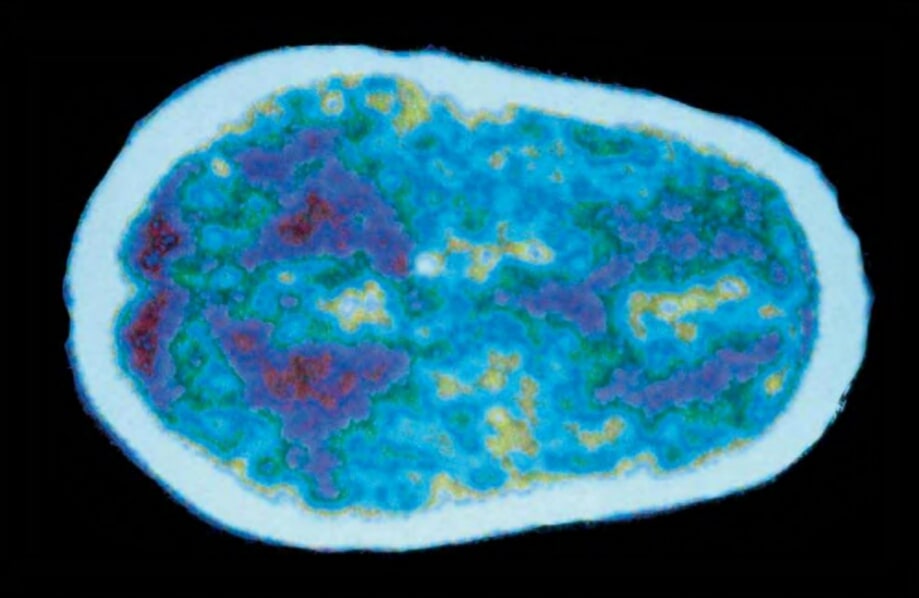
By the time a baby is three or four months of age, its behavior provides clues to its having reached new milestones in brain development. At that age, individual infants differ widely in their reaction to events and in their patterns of brain activity as measured in EEG scans.

Rs & Ls

JAPANESE WHO BEGIN studying the English language as adults struggle with the sound of the letters Rand L. It’s not the tongue that’s to blame-it’s the brain. Newborns can distinguish all phonemes, or language sounds. Between six months and one year of age, however, children lose the ability to process previously unheard language sounds. Their loss is called phoneme contraction. Since the Japanese language slurs Rand L phonemes, adults who are exposed to the separate sounds in English for the first time cannot hear, or articulate, the difference. It’s the same for English speakers learning Japanese. They can learn the words, but it’s too late for the neuronal circuits to get the sounds exactly right.

A pattern of responses known as behavioral inhibition, which includes shyness and fear when exposed to new people and experiences, occurs in one in five healthy four month olds. Their brains show higher levels of electrical activity in the right frontal lobes. Likewise, older babies who cry upon being separated from their mother have more activity in the prefrontal cortex of their right hemisphere than do children who remain calm when mom disappears from sight.

ALBERT & THE RAT

IN A 1913 manifesto, John B. Watson introduced the term behaviorism, which, he wrote, eliminated the “dividing line between man and brute” in asserting that emotions are determined not by DNA but by external stimuli. Watson built on Ivan Pavlov’s foundation of conditioned stimulus response. Foreshadowing the 1932 publication of Aldous Huxley’s novel Brave New World, Watson theorized that “man and brute” alike can be made to order. He guaranteed, for instance, to rear any of 12 random infants to take on the occupation of his choosing. Yet Watson is remembered most, perhaps, for instilling in an infant boyan irrational fear of all things white and furry.

An 11-month-old called Little Albert plays his part in a famous behaviorist experiment.

In 1919, Watson began to work with 11-month-old Little Albert, conditioning him to fear a white rat. To begin with, Albert liked his pet, trying to touch and even hold it. Watson believed this reflected a curiosity innate in all children. Later, a new stimulus was introduced: When Albert reached for the rat, Watson banged a metal bar with a carpenter’s hammer. Albert fell face-forward on the mattress, whimpering. The rat was shown repeatedly, with gong and without, until Little Albert’s congenital fear of loud noises was transferred to the rat. This phobia, Watson later learned, applied also to white rabbits, dogs, a fur coat, and even a Santa Claus mask. Presumably, Watson wrote, Albert could eventually become unconditioned, but the boy was adopted before further experiments could be performed.

NEURAL DARWINISM

NEURAL DARWINISM

Some scientists argue that as the brain incorporates new experiences and makes new connections among neurons, it expresses a form of evolution through the competition of its various neural networks. Nobel Prize-winning neuroscientist Gerald Edelman suggests that the brain’s many networks vie against each other in “neural Darwinism.”

A newborn’s brain (seen above in an MRI) is ready to begin making, remaking, and pruning neural connections by the million.

While genes determine how the brain begins to grow in an embryo, the brain’s extreme complexity and plasticity make it nearly impossible to predict how it will develop in response to a particular stimulus. The complexity of the brain makes it like the weather. Short-term weather forecasts are possible with some degree of confidence, but long-range forecasts become more and more difficult because of the interaction of so many variables. The so-called butterfly effect, which was discovered during computer generated weather simulations in the 1960s, posits that under the right conditions, the flapping of a butterfly’s wings in China can be magnified until it causes a tornado in Texas. As expressed in the brain, a small change in biochemistry under sensitive conditions may have a tremendous impact on the brain’s future development.

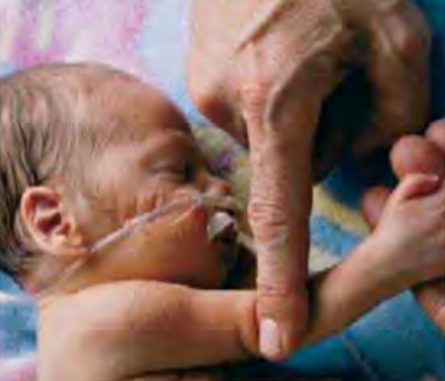
PREMATURE births pose special challenges to the brain. The child emerges from the womb before its neural networks have been established and have gone through initial stages of pruning. Much of the brain development must occur in the buzzing confusion of the world rather than a calm womb, which psychologist Sigmund Freud called the baby’s stimulus barrier. Development of the preemie’s brain occurs without the nutrients and protection of the uterine environment. In addition to difficulties involving regulation of body temperaturedigestion of food, and weakened breathing, many preemies suffer brain hemorrhage. Babies who survive amid the chaos of lights and sounds in a hospital nursery may have their brain overstimulated and may develop problems such as attention disorders and learning disabilities later in life.

NEWBORN

Brigham and Women’s Hospital in Boston has attempted to re-create the conditions of the womb in its neonatal intensive care unit. A preemie’s brain reacts with extreme sensitivity to light and loud noises, so the hospital keeps its NICU dark and quiet. Babies get plenty of skin-to-skin contact, to mimic the touch of the womb. They feed on demand. And they’re allowed some freedom of movement, as they would experience inside the womb, rather than being swaddled tightly The result: These babies leave the hospital earlier than those raised in a standard intensive care unit and have an accelerated developmental curve compared with other preemies.

Consider how neural Darwinism finds expression in the early stages of fetal brain growth. Neurons forming from stem cells move through the brain, guided by basic genetic coding. Genes determine how the neurons connect, axon to dendrite, to create the foundation and basic architecture of the brain. However, the precise chemical environment surrounding the newly formed neurons strongly influences how far they migrate and which neighboring neurons they link with. Exposure to substances in the womb, such as alcohol, can disrupt neuronal migration, but there is no guarantee that exposure will or won’t lead to fetal alcohol syndrome. The unpredictability of the complex system that is the human brain makes such precise calculations impossible.

Toys and a mentally stimulating environment help a baby’s brain grow complex neural connections.

Babies don’t learn to walk until about a year after birth, but they are born with the neural program already hardwired.

As people grow older, they take in new experiences. There may be changes in climate, social networks, formal education, and career. To get on in life, people have to adapt to change. Successful adaptation is a matter of rewiring the brain by creating new neuronal connections. Links that promote survival and well-being grow stronger. Those that lose their usefulness grow weaker. In a process that resembles natural selection, they lose the competition to stronger neural networks, and they die.

Neural Darwinism provides a new perspective on the brain’s plasticity: As neural networks compete, those that function best get stronger. Changes in the environment encourage changes in the brain by giving new neural networks a chance to flourish. Such evolution of a single brain continues over an entire lifetime.

NEWBORN NEURONS / ESTABLISHING NETWORKS

NEWBORN NEURONS

As a baby emerges from the womb, brain development expands to include processing responses to the baby’s new experiences sights, sounds, smells, actions, sensations, and emotions. Networks of neurons, primed to receive new stimuli,compete for survival. It’s a random battle at first, but soon becomes more organized as environmental stimuli strengthen some connections while others wither. If the baby is exposed to a broad vocabulary and a wide range of music, the connections for language and sound recognition grow stronger. If the baby is kept in an environment lacking in toys and visual stimulation, the baby’s analytical powers may be slow to develop.

ESTABLISHING NETWORKS

Defects in infants’ eyes illustrate the sensitivity of a newborn’s brain and the competing neural networks. When a child is born with a cataract in one eye, that eye is deprived of normal vision, and the portion of the brain that processes information from that eye suffers lack of stimulation. The baby’s one normally functioning eye begins to process all visual information.

NEWBORN NEURONS [ BRAIN ]

NEWBORN SIGHT

WE CAN’T KNOW for certain what the world looks like to a newborn; babies don’t answer interviewers’ questions. However, scientists who study the makeup of new-borns’ eyes and test for whether babies will gaze at objects believe that for the first months of life, children lack the ability to see fine lines and a full spectrum of colors. The world probably looks like a blurred, faded photograph as seen through a card-board tube.

New-borns appear to be hardwired for looking at faces. Shortly after birth, infants will look at faces longer than they will look at any other object.

The “use it or lose it” principle starts to work-with a vengeance. Neural connections develop for the good eye but fail to do so for the eye with the cataract. Unless the cataract is removed shortly after birth, the child will remain blind in that eye. Even if the cataract is removed later, the brain has lost its one chance to develop the neural circuitry to process visual signals from the eye; the eyeball may appear healthy, but it cannot communicate with the brain.

If surgery removes the cataract in time, the strong, already existing neural connections of the stronger eye give it a favored place in brain development. In order to make both eyes work with the same acuity, doctors often patch the stronger eye for a few hours every day. That way, for extended periods, all of the neural development for vision is processed via the weaker eye. Its brain circuitry grows stronger by not having to compete all the time with the good eye.

The process of establishing and strengthening connections in the brain to process vision underscores the fact that certain periods are absolutely critical to proper functional development. While the brain retains a measure of plasticity among existing networks, it also seldom offers a second chance for establishing those networks at an early age. In other words, the brain cannot expand and reconnect a neural network that doesn’t exist or one that exists, like a dead-end road, without functional traffic.

A GOOD START FOR THE PREGNANT MOTHER

A GOOD START FOR THE PREGNANT MOTHER – DIET/PREVENTION/RISK

EAT WELL

The first, and easiest, thing a mother to be can do is to eat for two: This doesn’t mean doubling up on servings it means remembering that the vitamins and minerals from a well-balanced diet not only nourish mom’s brain and body but the brain and body of her developing baby. Pregnant women need proper amounts of folic acid, vitamin B12 (crucial to the functioning of the central nervous system), fatty acids, iron, and other nutrients. She should consult her obstetrician about taking prenatal vitamins, which contain many of these substances and fill in any nutritional gaps in her diet.

A GOOD START FOR THE PREGNANT MOTHER - DIET, PREVENTION, RISK [ Getting plenty of exercise is important to both the mother and her developing baby. ]
Getting plenty of exercise is important to both the mother and her developing baby.

Good nutrition is vital for healthy brain development. Lack of nutrients at crucial moments in fetal brain development leads to a drop or even a halt in the creation of neurons. Babies born after suffering malnutrition often display a smaller brain and have cognitive disabilities. Lack of folic acid (found abundantly in bread, beans, pasta, spinach, and orange juice) raises the chances of a child being born with spina bifida. On the other hand, too much of a good thing can be bad. Overabundance of certain vitamins, including A and D, can cause toxic reactions in the fetal brain. The best advice for a mother to be is to consult her doctor about the best diet for her, one with lots of fresh fruits, leafY green vegetables, legumes, whole grains, and lean meats.

AVOID ALCOHOL

To decrease the chances of neurological defects, moms to be should also avoid many substances that can harm an unborn child’s brain, such as alcohol. In 1899, William Sullivan, a doctor who studied babies born in an English women’s prison, discovered much higher rates of still-births among mothers who drank heavily. He suspected a link between alcohol and fetal health when he noted that mothers who gave birth to babies with severe birth defects in the outside world had healthy babies in prison, where they were denied alcohol.

It would take more than seven decades before researchers at the University of Washington cataloged the recurring patterns of birth defects as fetal alcohol syndrome. When pregnant women drink heavily, their children are at high risk of having a malformed heart and limbs, a smaller brain, reading and math disabilities, hyperactivity, depression, and distinctive facial abnormalities. Mental retardation also is possible. Unfortunately, alcohol’s most devastating impact on a developing fetus occurs early in the pregnancy, when the mother may not even know she is carrying a child. And small amounts in the first trimester cause more damage than greater alcohol consumption later on, apparently because of alcohol’s impact on the migration of developing neurons In the fetal brain. Normally, neurons stop their travels when they reach their intended destinations. The presence of alcohol makes them overshoot and die.

JUST SAY NO

Other substances harmful to adults are even more so to a developing fetus, whose brain is especially sensitive to its chemical environment. Tobacco, illegal drugs such as cocaine, and environmental toxins, all of which do some level of harm to an adult’s body, deliver hammer blows to a developing fetus and can even cause harmful impacts on sperm cells, so men should consider their levels of exposure before trying to start a family. Sperm live for about three months. To minimize the chances of their sperm being adversely affected by alcohol, tobacco, drugs, and toxins, fathers to be should avoid exposure to such harmful substances for 90 days.

A GOOD START FOR THE PREGNANT MOTHER - DIET, PREVENTION, RISK [ Drugs taken by pregnant women can cause abnormalities in the developing fetus. ]
Drugs taken by pregnant women can cause abnormalities in the developing fetus.

For pregnant women, tobacco smoke is the most common environmental hazard to a fetus. Nicotine in tobacco causes blood vessels to constrict; an affected fetus gets less blood, and its heart rate decreases. Furthermore, nicotine becomes more concentrated in the fetus’s body than in that of the mother. Like alcohol, nicotine is believed to interfere with neuronal migration, connection, and development. Spontaneous abortion rates nearly double for mothers who smoke. Babies carried to term are more likely to be mentally retarded and have congenital abnormalities.

SEEK OUT HIDDEN RISKS

Toxins harmful to a fetus range from obvious hazards such as the poisons in pesticides to common and seemingly harmless substances such as vitamin A, which in high concentrations (such as in acne medication) harms a fetus’s brain. Lead particles, many over the counter and prescription medicines, x-rays, and some cancer drugs also poison a developing brain.

The jury is out on the possible impact of antidepressants. A pregnant woman’s use of Prozac, a common prescription only treatment for depression, so far has been shown to have no impact on her child’s 

NEW BORN BRAIN – SUPPORT & SURVIVAL

NEW BORN BRAIN – SUPPORT & SURVIVAL

Migrating neurons are helped along by glial cells. They support and nourish the neurons on their journeys. Some help regulate the neurons’ metabolism, and others coat the nerve cells’ axons with myelin, a fatty substance that provides electrical insulation and thus controls the speed of communication along neural networks.

Although the brain of a fetus at about eight months after conception weighs only a pound, or about a third of an adult’s, it contains twice as many neurons. Chemical signals called trophic factors influence how individual neurons connect to each other, but the survival of those connections depends on repeated communication across the synapses.

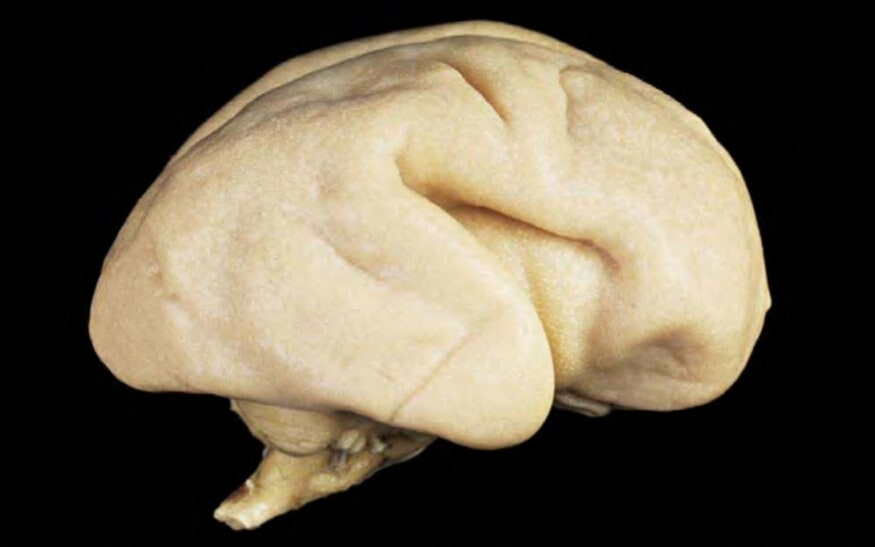
A fetal brain at 24 weeks, with spinal cord at left, has yet to develop characteristic cerebral folding.
A fetal brain at 24 weeks, with spinal cord at left, has yet to develop characteristic cerebral folding

The brain cannot possibly sustain biochemical reactions across all of its neural connections, and so the weakest connections begin to die, through a process known as pruning. In the last stages of fetal development in the womb, about half of all neurons die. The loss is normal; it eliminates many of the connections that are weak or improper for efficient brain function, leaving behind the strongest and fittest neurons.

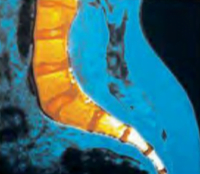
FIRST DESCRIBED 4,000 years ago, spina bifida is a malformation of the fetal spinal column that has been linked to a diet deficient in folate, a B vitamin, in pregnant women.

From the Latin for “spine split in two,” the birth defect occurs in 1 to 2 births per 1,000. One or more vertebrae, particularly in the small of the back, don’t grow the bony projections called vertebral arches that point away from the center of the body. Often a cyst bulges outward from the spine, encompassing spinal tissues, cerebrospinal fluid and even parts of the cord itself. Large cysts likely signal severe neurological impairment; a portion of the body’s central nervous system, designed to be safely protected from the outside world behind walls of tissue and bone, lies exposed. When the spinal cord is so compromised as to lose function, the infant may suffer paralysis of the legs and bladder, as well as bowel incontinence.

A NEW BRAIN

As a preventative measure, since 1998 all bread, pasta, and flour produced In America contains supplemental amounts of folate. The vitamin, found in green, leafy vegetables, helps the body grow new cells, but how its lack can trigger the disorder remains unclear. Genetics playa role, as the highest incidence rates occur among the citizens of Ireland and Wales as well as their immigrant descendants.

Surgery often can close openings over the exposed portion of a spine and reconstruct misshapen vertebrae, but many impairments remain for a lifetime.

A NEW BRAIN – NEURON MIGRATION OR UNDERSTANDING MIGRATION

NEURON MIGRATION

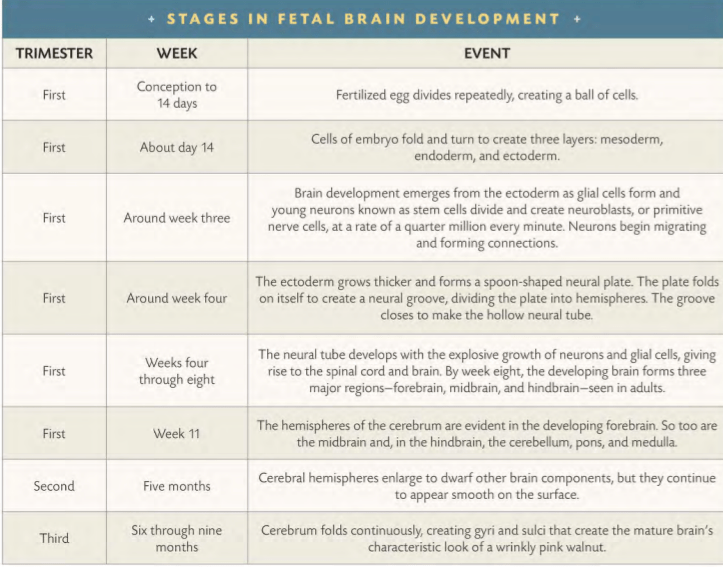
The most dynamic growth occurs in the cerebral cortex, the largest and outermost layer of the brain.During the first months of fetal development, when 250,000 new nerve cells are being created every minute, neurons begin to take on specialized tasks.

First, they inch their way from where they were formed by cell division to their permanent home in other regions of the brain. Most go toward the cortex, but some move into the cerebellum and other portions of the brain. This process, known as migration, is quite remarkable for the distance the neurons must travel as well as their ability to navigate surely along the tangled pathways of the developing brain. Millions of neurons migrate a distance equivalent to a person hiking from Los Angeles to Boston. Amazingly, they manage to arrive at Paul Revere’s house, the U.S.S. Constitution, or Faneuil Hall without ever consulting a map.

NEURON MIGRATION UNDERSTANDING MIGRATION

Once the migrating neurons reach their destination, they developed axons and dendrites to reach out and make connections with other neurons. Like roads that connect to create a grid for traffic, neurons set up systems of communication that link all parts of the brain. Some pathways receive huge amounts of sensory traffic and become the equivalent of information highways. Others turn into dead ends or decay into crumbling blacktop from lack of use.

You can’t clone a brain. And even if you could, it wouldn’t turn out like the original. Sensitivity to initial conditions in the womb coupled with differences in environment after birth would significantly alter development despite the identical genetic code.

UNDERSTANDING MIGRATION

The brain reacts with extreme sensitivity to anything that influence neuronal migration. Only a few decades ago, neuroscientists believed that each neuron had its own special, predetermined location when it set out on its trek across the brain. Now, researchers have found that neurons take on different characteristics because of their journey and their destination. To take just one example, neurons that process oral communication are not inherently preprogrammed to be speech neurons. Instead, they become speech neurons by migrating to the areas of the brain associated with language.

This discovery prompted new understanding of a wide variety of brain disorders. If something interferes with neurons migrating to their intended destinations and not overshooting or undershooting their targets the results can be powerful. Such disorders as autism, schizophrenia, dyslexia, and epilepsy have been at least partly linked with abnormalities in neuronal migration.

Fetal alcohol syndrome has also been linked to problems in migration. The brain’s hypersensitivity to toxins that impede migration underscores the warnings given to expectant mothers to avoid exposing a developing baby to alcohol, tobacco smoke, drugs, or other chemicals that may interfere with healthy brain development.

NEW BRAIN – FROM THE WOMB TO CHILDHOOD

A NEW BRAIN FROM THE WOMB TO CHILDHOOD

WHEN SPERM meets egg, the merger of a father’s and mother’s DNA triggers the start of a new life. Encoded in the tens of thousands of genes that make up a human being are a substantial fraction that will create the brain and central nervous system. You won’t find the child’s personality, emotions, and ideas buried in the code; they arise instead as the brain develops and interacts with its environment after birth. Nevertheless, the explosion of cell development that begins with conception is the first step toward forming the brain and all of the hopes and dreams it will one day contain.

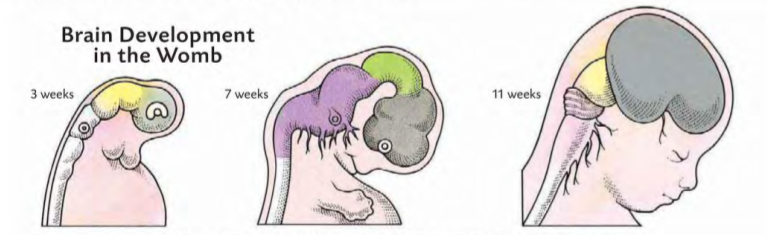
As an embryo develops into a fetus, the brain grows and differentiates rapidly.

As an embryo develops into a fetus, the brain grows and differentiates rapidly.

DIVISIONS & LAYERS

In its first phases of development, the fertilized egg, or zygote, undergoes a rapid series of divisions. One cell becomes two, two become four, four become eight, and so on until the exponential divisions Create a tiny, hollow ball of hundreds of cells nearly uniform in design. Two weeks after conception, the sphere of cells, still dividing, takes the first step in the series of physical changes to construct a differentiated body and begin the process of becoming human.

First, a dent appears in the sphere. Cells move into the indentation, which folds under the surface of the sphere. The folding creates three layers of cells: an outer layer called the ectoderm, an inner layer called the endoderm, and a middle layer called the mesoderm. In the following weeks, these three layers grow into the tissues that give rise to the body’s major systems: Endoderm becomes digestive tract; mesoderm creates muscles, skeleton, heart, and genitalia; and ectoderm forms brain, spine, nerves, and skin.

Lots of gentle handling produced increased serotonin, a neurotransmitter that dampens aggression, in baby rats. Grown into adults, the rats lived longer and handled stress better.

BUDDING BRAIN

The nascent brain makes its first appearance at about four weeks after conception, when a thin, spoon-shaped layer of cells called a neural plate emerges at the head end of the embryo. Major characteristics of the future brain already are in place just one month into fetal development. Hemispheres later will develop on either side of a groove down the center of the neural plate, creating the bilateral symmetry of the human brain.

As the fetus grows, the bowl of the spoon will become the brain itself, while its handle grows into the spinal cord. And as the neural plate folds to form a tube, swellings in the original spoon shape become the forebrain, midbrain, and hind brain. As they develop, they work together to form the major sections of the brain, from the cerebrum at the top of the head to the thalamus, hypothalamus, cerebellum, and spinal cord at the back and lower end.

SPECIALIZATION BEGINS / GENDER DIFFERENCES / PREPROGRAMMING

SPECIALIZATION BEGINS

As modern humans evolved from their hominid ancestors, their brain development continued with increasing specialization of regions and functions. One hypothesis suggests that the differences between the left and right hemispheres of the human brain can be traced to humans’ simian ancestors swinging through trees. Grasping one limb after another requires the arms to act independently instead of in unison. Perhaps the ancestors of humans began emphasizing the use of one arm over another, encouraging greater neuronal development in the hemisphere that controlled action on that side of the body.

One of the most pronounced differences between brain hemispheres can be observed in dissection of cadavers. The brain region mainly responsible for speech, the planum temporale, is larger in the left hemisphere of two-thirds of human brains. The left-handed nature of language is evident across time and stage of life. Full-term fetuses exhibit larger, speech-related regions in the left hemisphere than in mirror locations on the right hemisphere. The same was true of Neanderthals, according to the telltale marks on the inside of their 50,OOO-year-old skulls made by contact with their gyri and sulci.

GENDER DIFFERENCES

The two sexes also experience differences in brain function. Men are more likely to be left-handed, dyslexic, hyperactive, and autistic. Women are more likely to suffer migraines and, on average, have weaker spatial functioning. Women, though, generally outperform men in the fine motor skills of their fingers, and they learn to speak their native language earlier and foreign languages more easily than men. The bottom line, however, is that if you were to look at two brains on a laboratory table-one from a man, and the other from a woman-you probably wouldn’t be able to tell any difference.

Neuroradiologist Majorie LeMay examined the Sylvian fissures of human skulls 30,000 to 300,000 years old. These fissures revealed an asymmetry that suggested dominant left hemispheres. Perhaps the asymmetry provides evidence of an ancient capacity for language, which favors the brain's left side.

In men, the third interstitial nucleus of the hypothalamus typically is twice as big as it is in women’s brains. The hypothalamus is crucial to sexual behavior, as well as regulation of body temperature, eating, and drinking. Furthermore, women’s and men’s brains differ in response to orgasm. PET scans show less activity in a woman’s prefrontal cortex and in a man’s amygdala during sexual climax, while both sexes experience more neuronal firing in the cerebellum.

GENDERED BRAIN

THE SEXES DIFFER in cognitive ways. A big one involves spatial orientation. Men typically use mental maps, while women prefer landmarks. Men would likely give directions by saying, “Drive north 2.2 miles, turn east, and drive 1.5 miles,” whereas women would more likely say, “Drive toward the mountains until you see the barn, turn right, and go to the pond.” Small wonder that one sex may get frustrated giving directions to the other. Women take the prize for remembering objects’ locations-where are those keys?- while men win at abstract spatial reasoning, such as mentally rotating objects. As a group, men have a wider dispersal of scores on some mental tests.

PREPROGRAMMING

Much human behavior arises from culture and environment. Some, however, appears to be prewired into the brain. The capacity for language appears to be so strongly encoded that children raised without exposure to any language will make up their own.

Communication is an evolutionary favored social activity that helps humans compete with other animals for resources necessary for life. Similarly, the brain’s ability to process and integrate visual stimuli exists almost immediately after birth. At only a few weeks old, an infant raises its arms to protect itself from the approach of an object. Sight, texture, and size appear to be aspects of object recognition that the brain is prewired to bring together for self-defense.

GROWING COMPLEXITY [ EVOLUTION ( BRAIN DEVELOPMENT ) ]

GROWING COMPLEXITY [ EVOLUTION ( BRAIN DEVELOPMENT ) ]

GROWING COMPLEXITY

If 2,000 neurons are sufficient for simple learning, imagine the explosion of complex behavior that accompanied the growth of neural complexity about 530 million years ago. Larger clumps of neurons in the diverse animal population that seemingly emerged overnight encouraged the flourishing of new animal species. The variety of new species could better react to, and survive, changes in their environments. Ocean life diversified into the ancestors of today’s worms, mollusks, and crustaceans.

The forward tip of the neural cords in the first proto-vertebrates began swelling and folding to create primitive brains. Neural networks in those early brains began to diversifY. Some connections began to specialize in vision. Some took on the function of hearing. Among the sharks, neural connections specializing in smell became hypersensitive, empowering them to detect blood in concentrations as small as 1 part per 25 million of water. That allowed them to smell bloody prey a third of a mile away (and, not coincidentally, strengthened their chances for survival in the constant interspecies combat of evolution).

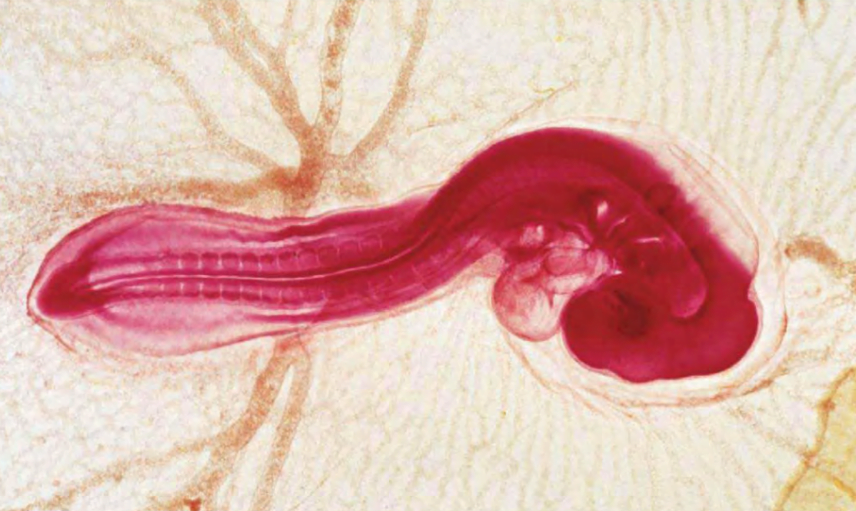
A developing spinal cord is already visible in a three-day-old chicken embryo developing inside its eggshell.

As animals began crawling out of the ocean onto the shore, around 360 million years ago, their brain didn’t begin anew. Instead, new experiences and new evolutionary developments were laid down atop their existing neural networks. Birds and reptiles added new levels of behavior, and new brain matter developed as well. Mammals put their own layers on top of their evolutionary predecessors. And finally, humans with their gigantic brain added the newest and most complex layers in the wrinkly pink walnut of the cerebral cortex.

Darwin explicitly put humans in the crosshairs of his theory with the 1871 publication of The Descent of Man. Human bodies and brains evolved and continue to do so.

The human brain differs physically from those of other mammals in its size, complexity, and dominance of its cerebral cortex. Just like speed and strength, early advantages in the brain such as analytical power (“How can I trap that animal?”) and capacity for speech (“How can I get others to help me trap that animal?”) improved the odds of early humans’ survival. Advantages spread to new generations and became common.

Networks of synapses constantly compete with each other; roughly like animal species fighting for limited food. Networks that get steady stimulation grow stronger; while others atrophy. Nobel laureate Gerald Edelman calls the process neural Darwinism.

WHY OUR DIETS ARE BADLY FAILING US / WHY WE NEED NUTRITION

WHY OUR DIETS ARE BADLY FAILING US AND WHAT WE CAN DO ABOUT IT

Right now, there’s a good chance that your diet is woefully inadequate when it comes to ensuring you are in the best possible health. In fact, there’s a good chance that your diet may be killing you.

And what is the culprit here? The answer is empty calories and processed foods.

UNLOCK YOUR FULL POTENTIAL

These days, a huge proportion of what we eat is ready prepared and ‘processed’. That means that it has spent a lot of time in a factory and thus bears little resemblance to what the ingredients originally looked like.

A good example is a bag of crisps, which doesn’t tend to have much potato left in it at all. Chocolate is made from a cocoa bean but the rest is purely processed. And ready made lasagne will have had all the goodness fried out of it and a ton of salt, sugar and bad fats added to try and keep it preserved.

All this means that you’re getting calories from your diet ‘ calories that will provide you with energy and make you gain weight ‘ but no nutrition.

WHY WE NEED NUTRITION

It is a mistake to think of food as fuel. Calories are fuel and they happen to be in our food. But food is more than that.

Apart from also being a social event and a hobby, food should also be a source of raw materials. The saying that you ‘are what you eat’ is literally true and when you eat any meal, your body will break it down into its constituent parts and then reassemble those parts in order to build your muscle, create enzymes and hormones and even produce neurotransmitters (the chemicals that make our brain work).

When you don’t get these things, you’ll find yourself feeling considerably worse. If you don’t get enough vitamin C for example, then your immune system won’t be able to perform at its best and you’ll be much more likely to get ill. Worse, vitamin C is also crucial for helping you to produce serotonin. Take that away and your mood will plummet. It also helps us sleep!

Similarly, when you don’t get enough omega 3 fatty acid, it can cause inflammation ‘ this makes your joints hurt, it creates brain fog and it can lead to illness.

A lack of amino acid will mean that your muscles are weaker and smaller. And it will result in your skin looking grey and your nails being brittle.

The short term issues are worthy of a lot of concern but more worrying still is what this does to your health in the long term. The damage here is cumulative and in the end you will be more likely to suffer with a range of diseases.

WHAT TO DO ABOUT IT

The answer is to stop thinking of food as fuel and to instead think about the quality of the raw materials you’re putting into your system. Find ways to get more nutrition food in your diet -even if that means just adding a smoothie into your routine!

TOP TIPS FOR MAKING IT EASIER TO MAKE SMOOTHIES

TOP TIPS FOR MAKING IT EASIER TO MAKE SMOOTHIES

Top Tips for Making it Easier to Make Smoothies The great thing about smoothies and the main reason they’ve become so popular, is that they provide a very easy and convenient way to get a lot of extra nutrition in your diet. Eating healthily isn’t always easy and a lot of us will find we run out of time to prepare homemade meals and that it can even be quite expensive trying to eat fresh!

But then making smoothies isn’t always a walk in the part either and sometimes that can even seem like too much effort. The aim of this article then is to help you make it even easier to make smoothies, so that you stick with this healthy habit and don’t turn back to the soda any time soon!

TOP TIPS FOR MAKING IT EASIER TO MAKE SMOOTHIE

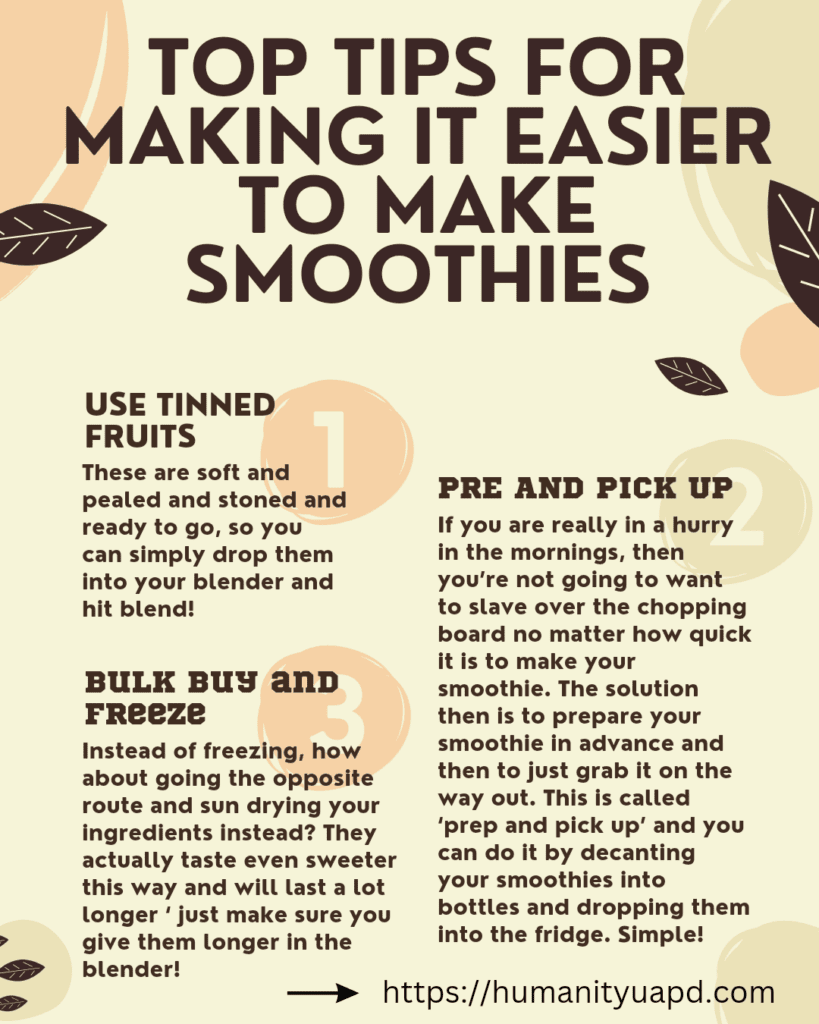
USE TINNED FRUITS

Some fruits and vegetables that you will want to include in your smoothie can take a lot of time and effort to prepare. Take peaches for example. You might want to remove the skin from these and you’ll certainly want to take out the stone and all that involves a lot of time when you’re in a hurry in the morning.

The solution? Use tinned peaches instead! These are soft and pealed and stoned and ready to go, so you can simply drop them into your blender and hit blend!

The thing to be cautious of here though, is that you need to avoid tins that contain a lot of added sugar or syrup. Be careful to choose the types that say ‘in juice’ and then drain it off unless you want to risk altering the flavor of your smoothie!

Purees can also work in a similar manner!

PRE AND PICK UP

If you are really in a hurry in the mornings, then you’re not going to want to slave over the chopping board no matter how quick it is to make your smoothie. The solution then is to prepare your smoothie in advance and then to just grab it on the way out. This is called ‘prep and pick up’ and you can do it by decanting your smoothies into bottles and dropping them into the fridge. Simple!

BULK BUY AND FREEZE

Another issue is that fruit can get expensive. It’s not expensive per unit but because your fruit is constantly going off, you might find you need to keep replacing it ‘ which is a waste.

One solution is to freeze certain fruits like bananas, which will also have the added bonus of making your smoothies nice and cool. Another tip is to bulk buy and order online. This way, you can set up a standing order so that you receive a regular selection of ingredients to your door and you don’t need to worry about constantly replenishing your fruit bowl!

Or instead of freezing, how about going the opposite route and sun drying your ingredients instead? They actually taste even sweeter this way and will last a lot longer ‘ just make sure you give them longer in the blender!

THE TOP BASES FOR YOUR SMOOTHIE

THE TOP BASES FOR YOUR SMOOTHIE

Many different elements go into a smoothie’s

The first of these is of course the fruit and this is what is going to give the smoothie most of its flavour and most of its goodness. Then there are added things like water and possibly honey.

But what’s also highly important is that your smoothie contains a base. The base is going to be a fruit or perhaps something else that provides a) a very strong flavor and b) a smooth and creamy texture. Choosing your base will often serve as the first building block of your smoothie which will define the strongest flavour and provide the ‘smoothness’ that gives the drink its name!

THE TOP BASES FOR YOUR SMOOTHIE

But what makes a good base for a smoothie? What options are there? Let’s take a look at some of the best

BANANA

Banana is perhaps the most popular smoothie base and is the key ingredient in the very most popular smoothie recipe: banana and strawberry. These two go perfectly together and also offer a large amount of potassium to keep cramps at bay. Banana is also a great source of vitamin B6 and is generally very delicious and creamy.

AVOCADO

The avocado is a very popular health food right now and this is down to numerous factors. Perhaps the biggest benefit of the avocado is that it is a healthy saturated fat. Fats have been vindicated recently as it has been shown that they have nothing to do with heart disease or many of the other conditions that they were previously accused of.

What’s more, is that avocado is delicious and very creamy. It also happens to be an excellent source of omega 3 fatty acid, which is one of the most impressive nutrients for its ability to improve the communication between cells, combat inflammation and more!

MANGO

Mango smoothies are perfect for summers days when you want something really sweet and delicious. Mango is very smooth and has a great texture and it also happens to be a great source of numerous vitamins and minerals. In particular, it is an excellent place to get your vitamin C.

PEANUT BUTTER

Not all your bases have to be fruits and vegetables. An option that is somewhat different is to choose peanut butter, which will provide you with lots of magnesium and zinc, lots of healthy sugar and good helping of protein. This is particularly useful for those looking to build muscle and if you combine it with other protein sources ‘ like protein shake ‘ then it can be highly effective in aiding with muscle building.

PROTEIN SHAKE

Why not add protein shake itself?

This will add even more protein to your mixture and will also often add a lot of delicious flavour. Note that a lot of protein shakes are high in fats and carbs, so you should check the back of your shake before you add it to your healthy drink. Choose a plain whey protein and then add your own flavour instead by making it into a delicious smoothies !

HOW TO GET MAXIMUM HEALTH BENEFITS FROM YOUR PROTEIN SHAKE

HOW TO GET MAXIMUM HEALTH BENEFITS FROM YOUR PROTEIN SHAKE

A protein shake is a drink that you can use to help you build muscle, improve your health or lose weight. The idea is that you’re providing yourself with a convenient way to increase your protein intake, which is useful because protein is what the body uses to make muscle, make neurotransmitters and also repair wounds.

HOW TO GET MAXIMUM HEALTH BENEFITS FROM YOUR PROTEIN SHAKE

But not all protein shake is made equal and if youre going to get the best benefits from it, you need to choose it wisely. Read on and well look at how you can go about getting the very most from your protein shake by choosing the very best form of protein and then turning it into a delicious smoothie!

TYPES OF PROTEIN

When you buy protein shake, you’ll have a ton of different options to pick from. You can choose whey protein, casein protein, egg protein or soy protein to name just a few!

Unless you are a vegan, the best option for your protein by far is whey protein. Thats because whey, which is a by-product of the cheese making process, is completely natural and healthy with the ability to be absorbed very easily into the body. Whey is more bioavailable when compared to soy or casein and cheaper when compared to egg!

The only exception to this rule is that casein may be more useful when choosing a shake to have before bed. That’s because casein absorbs more slowly, providing a steady release of its amino acids that the body can use to build muscle throughout the night.

You’ll also find that protein shakes come in a variety of mixtures. They come in all manner of flavors and with a ton of different added ingredients like creatine.

For our purposes, the best thing to do is to find a protein shake is that pure whey with nothing extra. This will cost a lot less (and you can source things like creatine cheaply if you want to add them) but it will also mean you aren’t getting heaps of carbs, sugars and fats added to your drink so you’ll be building more muscle and less fat!

And we’re then going to add it all to a nice smoothie!

MAKING YOUR SMOOTHIE

A plain whey is not a very tasty drink but the good news is that you can fix that by adding it to a smoothie and including your own flavors in the form of bananas, strawberries and various other ingredients. The key here is to think about the flavor but also the health benefits that you want to get from your smoothie.

Add whole milk to improve absorption and testosterone production for example. Add strawberries for vitamin C and antioxidants, or add avocado for more healthy fats and a dose of extra protein. All this will go down much more smoothly, provide a ton of extra health benefits and also be cheaper and more delicious. Go with the basic stuff and make your own mix, it’s the only way to really make the most of your shake!

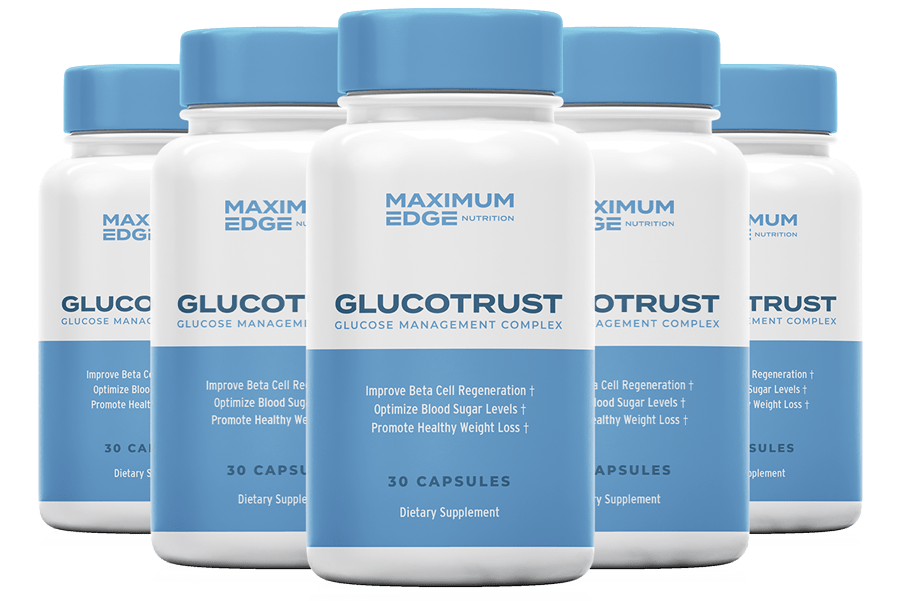
GLUCOTRUST BLOOD SUGAR SUPPLIMENT

WHAT IS GLUCOTRUST ?

GlucoTrust is a new supplement manufactured in the USA that contains a formula of all natural ingredients. These ingredients work together to promote healthy blood sugar levels, safe and effective weight loss, and better sleep.

GlucoTrust is a new supplement manufactured in the USA that contains a formula of all natural ingredients. These ingredients work together to promote healthy blood sugar levels, safe and effective weight loss, and better sleep.

STARTLING STATISTICS 

According to the American Diabetes Association, 34.2 million Americans, or 10.5% of the population, have Type 2 diabetes.

Globally, 462 million individuals are affected by Type 2 diabetes. And these shocking numbers show no signs of slowing down! 

Diabetes treatment has exploded into a gigantic industry that grows every year, as more people require medication (and many never get off it.)

In the USA alone, $327 billion every year by men and women people trying to manage this condition.

WHAT IS TYPE 2 DIABETES?

Here’s the quick scientific explanation behind Type 2 diabetes. 

Blood sugar, or glucose, is the main sugar found in your blood. It comes from the food you eat and it is your body’s main source of energy.

Your blood carries glucose to your body’s cells, where it gets converted into energy. 

Diabetes is a disease in which your blood sugar levels are too high. This happens because of two problems that involve a hormone in your body called insulin. 

First, your body isn’t producing enough insulin. This is harmful because insulin regulates the movement of blood sugar into your cells. 

Second, your cells are responding poorly to insulin and are not absorbing sugar the way they should. This is also known as “insulin resistance.” 

As a result of these two things, too much sugar is circulating in your bloodstream. Over time, it builds up and your blood sugar levels become too high. 

Once your levels rise beyond a certain threshold (which can be shown by a blood test), you are classified as having Type 2 diabetes. 

Some symptoms of Type 2 diabetes include:

  • Increased thirst
  • Frequent urination
  • Increased hunger 
  • Fatigue
  • Blurred vision 
  • Slow-healing sores 
  • Frequent infections
  • Tingling or numbness in the hands or feet

Type 2 diabetes is often linked to being overweight or inactive. But for diabetics, losing weight can be extra challenging. 


You feel hungry and fatigued, so you want to eat more and exercise less. 

For many people, the only answer is to get on prescription medications that help to keep blood sugar levels under control. But this is only treating the symptoms of the disease, not fixing the root problem. 

GlucoTrust contains a combination of ingredients that support healthy blood sugar levels, while also addressing the problems that are keeping people overweight and inactive. 

We refer to it as being stuck in a “vicious cycle.” Being overweight and inactive is the primary cause of Type 2 diabetes. But when you have this disease, it makes it hard to lose weight because it causes you to feel hungry, thirsty and tired. 

GlucoTrust is designed to help people break this cycle by incorporating the following ingredients:  

GYMNEMA SYLVESTRE

The primary ingredient in GlucoTrust is Gymnema Sylvestre, aka gurmar, also known as “the sugar destroyer.” 

This herb comes from a shrub native to Africa, India, and Australia. The leaves of this plant have been used for thousands of years to treat a wide range of ailments—from diabetes to malaria and even snakebites. 

According to studies, Gymnema Sylvestre has blood sugar-lowering properties and can promote healthier levels in people with Type 2 diabetes

It also assists with losing weight by reducing sugar cravings. This is due to the gymnemic acid in this herb, which temporarily blocks the sugar receptors on your taste buds.

In addition, Gymnema Sylvestre has been shown to lower LDL (or “bad cholesterol”) levels, and reduce inflammation in the body. 

BIOTIN

The next ingredient is Biotin, which gets its name from the Greek word “biotos” which means “life.” 

Biotin helps your body to convert food into energy, manage blood sugar levels, and metabolize carbs, fats, and proteins. 

CHROMIUM

According to a study by Harvard Medical School, chromium can lower blood sugar levels and improve insulin sensitivity.

When your body lacks chromium, your ability to lose weight is held back at a cellular level. But the right amount of chromium helps to activate your metabolism. 

MANGANESE

Manganese is another vital nutrient that stimulates insulin production, so that your body can convert blood sugar into energy. 

Manganese also improves bone strength and promotes healthy brain and nervous system function. 

LICORICE ROOT

Licorice root is one of the oldest herbal remedies used in traditional Greek and Chinese medicines.

It improves liver health and protects against fatty liver disease, which is found in at least 50% of people with diabetes.

This root is also rich in flavonoids, a compound that helps to controls your appetite.

CINNAMON

Known as “the king of spices” for thousands of years, cinnamon has been shown to enhance cell function and lower insulin resistance. 

Cinnamon also supports healthy blood pressure and digestion, and has anti-viral, anti-bacterial, and anti-inflammatory properties. 

JUNIPER BERRIES

Juniper berries were buried in the tombs of ancient pharaohs and used to boost the performance of athletes in the Roman Olympics. 

Their potent powers come from antioxidants that cleanse the body of toxins and strengthen the immune system. 

Juniper is also a natural stress reliever used by natural medicine practitioners to relax and calm the mind and body.

And GlucoTrust Promotes Better Sleep, Too… 

The importance of getting deep, uninterrupted sleep cannot be underestimated and it has a direct connection to diabetes and obesity.  

Yet many people with type 2 diabetes struggle to get a good night’s sleep. It causes a frequent need to urinate, which can mean waking up throughout the night to go to the bathroom. 

And because most people with type 2 diabetes are overweight, they often suffer from sleep apnea, which causes them to stop breathing temporarily during the night and then wake up gasping for air.  

Furthermore, when you aren’t sleeping properly, you’re never properly rested. You go through the day in a haze and are too fatigued to want to exercise or bother watching what you eat. 

On the other hand, when you sleep well and reach the deep sleep stage, your body is able to balance hormones such as cortisol. 

Lack of deep sleep elevates your cortisol, which causes your body to store fat. 

Getting deep sleep allows your body to keep your cortisol in check, while boosting leptin, your hunger-controlling hormone.

According to The National Library of Medicine, when leptin levels are low, your brain thinks you’re starving. 

You wake up hungry and feel hungry throughout the day because your brain thinks you need to eat more. 

But when your leptin levels are high thanks to a good night’s sleep, this sends a signal to your brain that you’ve got enough fat stored and no more is needed. 

This suppresses your appetite, making losing weight that much easier. 

In addition to all of these amazing ingredients, GlucoTrust also contains a proprietary blend of 15 herbs that regulate your natural hormonal balance and allow your body’s functions to run more smoothly. 

The recommended dosage is one capsule per day, and for optimal results GlucoTrust should be taken for a minimum of 90 days. 

Each bottle of GlucoTrust contains 30 capsules, enough for a 30-day supply.

Please note, GlucoTrust is not meant to be a replacement for any prescription medications you are currently taking. Always consult with your doctor before making any changes to how and when you take your medications. 

DIABETES INSIPIDUS / DIABETES MELLITUS [ CLASSIFICATIONS ]

DIABETES INSIPIDUS / DIABETES MELLITUS [ CLASSIFICATIONS ] – NERVOUS SYSTEM

DIABETES INSIPIDUS

When the nervous and endocrine systems get out of balance, the resulting dearth or overabundance of hormones can cause havoc. Consider just one hormone. The pituitary gland in the brain stores antidiuretic hormone (ADH), also called vasopressin, which is created by the hypothalamus. ADH helps regulate the body’s water content through its ability to prevent the formation of urine, which contains water expelled by cells.

Neurons in the hypothalamus monitor the water content of the blood and call for the release or withholding of ADH when the blood contains too much or too little water. The dry mouth you experience on the morning of January 1 may be a result of too much partying the night before; excessive alcohol consumption suppresses the release of ADH, causing excessive urination and thus dehydration and cotton mouth.

DIABETES INSIPIDUS / DIEBETES MELLITUS [ CLASSIFICATIONS ] - Blueberries are rich in acetylcholine and antioxidants, making them an excellent food for brain health.
Blueberries are rich in acetylcholine and antioxidants, making them an excellent food for brain health.

When the hypothalamus and pituitary fail to regularly create and release enough ADH, often through damage to the hypothalamus or the pituitary, the result is diabetes insipidus. Patients with this disorder urinate frequently and are constantly thirsty. Mild forms of diabetes insipidus can be treated simply: As long as the brain’s ability to recognize thirst is undamaged, patients can compensate for dehydration by drinking plenty of water whenever they feel the need.

DIABETES MELLITUS

Diabetes mellitus creates a lack of the hormone insulin, resulting in heavy losses of blood sugar through urination. Insulin arises in the pancreas, a gland that produces enzymes important for digestion. Insulin’s influence is most apparent just after a meal, as it works to take glucose out of the bloodstream to use it for energy in the body’s cells. Insulin also helps store fat and synthesize proteins.

Diabetes mellitus occurs when the pancreas doesn’t produce enough insulin. Its lack leads to excess blood sugar levels, resulting in dehydration through urination, fatigue, weight loss, nausea, abdominal pain, as well as extreme thirst and hunger. The most common treatment is for the afflicted to test their blood sugar levels and inject themselves with insulin when needed. Accidental overdoses are the most common cause of hypoglycemia, which occurs when too much insulin in the bloodstream lowers blood sugar dangerously. Eating a piece of candy or sipping a glass of orange juice helps restore sugar levels.

DIABETES INSIPIDUS / DIEBETES MELLITUS [ CLASSIFICATIONS ] - Regular tests help diabetics monitor levels of glucose in the bloodstream.
Regular tests help diabetics monitor levels of glucose in the bloodstream.

CLASSIFICATIONS

Diabetes formerly was classified into “juvenile onset” and “adult onset” varieties because of the typical time frame for diagnoses-ages eight to twelve in children, and forty to sixty in adults. The classification system changed when doctors analyzed symptoms that did not match up well with ages. Patients whose body produced no insulin at all were reclassified as “insulin dependent,” while those whose body made insufficient amounts became “non insulin dependent.” The former now is called Type 1, and the latter Type 2.

Type 1 diabetes IS commonly diagnosed in children, teens, and young adults. Symptoms usually come in a rush, shortly after the patient s Immune system turns on itself and destroys the insulin-producing cells of the pancreas. Lack of insulin used to be a death sentence. Now patients survive with regular injections of insulin, either by syringe or an automatic pump and catheter.

Diabetes mellitus gets its modern name from the Greek for “overflow” (diabetes) and the Latin for “honey” ( mellitus). Overflow is a reference to the symptom of frequent urination, and honey refers to the glucose that appears in the urine. Ancient physicians would diagnose the condition by tasting urine for sweetness.

Type 2 is the more common variety and can begin at any age. It usually starts because the body’s liver, fat, and muscle cells fail to use insulin efficiently. That causes glucose levels to rise in the blood- stream. Feedback mechanisms in the peripheral nervous system detect the increase and trigger production and release of more insulin in the pancreas to offset the higher glucose levels and maintain homeostasis. However, the pancreas cannot keep up the extra production forever. Diet, exercise, weight loss, and medication are common methods of keeping Type 2 diabetes in check.