Tag Archives: HUMANITYUAPD
Delusions
Cat body condition score calculator – BCS – HUMANITYUAPD free tools
Aging brain – HUMANITYUAPD – science
Kitten growth calculator
sick cat – kitten sick – feline sick
Cats and Banana
Free Cat Pregnancy Calculator
Cat Age Calculator
cats eat watermelon
Cat Not Eating
Human and Cat Biology
Dictatorship
Human-Cat Relationship
Cheshire Bridge Road
Cat Population
Storyville Red light District
Cat Domestication
biology of cats
Cats in Egypt
Cats in Turkey
Nightlife and Adult Entertainment
GB Road – Delhi
Cats in Japan
Cats in Italy
Cats in China
Cats in America
Older Cats
Adult Cats
Traveling with children
Cat Play Behavior
Red light District
Soi Cowboy
Patpong Red light district
Las Vegas Adult Entertainment
Youth Educational Challenges
High GI vs Low GI Foods
Job Market Trends 2026

Answer This Question?
What’s something you used to believe as a kid that seems ridiculous now?
Exploring Nightlife Culture in Vibrant Cities
If you could change the ending of any book, which one would it be?
bars and pubs
Which languages do you speak and how did that impact your life?
Kabukicho Red light District
Who are you most inspired by?
Role of Social Media
Who are you most inspired by?
Career and Job Market Uncertainties
If you could instantly master any skill, what would it be and why?
Carbohydrates

Proteins and Fats
Mocronutrients | Carbs, Protein and Fats
Pre-workout Nutrition
Tools For Cat Training
Essential Tools For Cat Training
Cat Behavior
Common Stretching Mistakes
Geylang Singapore RED LIGHT DISTRICT
Reeperbahn Red light District
Common Stretching Mistakes
Choosing the Right Plants For Your Garden
Types Of Stretching
Human Lifespan
How do you stay motivated when learning something new?
Coordinated Universal Time


Affiliate Marketing | earn commissions by promoting (2026)

Affiliate Marketing
Affiliate marketing is a performance-based business model that enables individuals or companies to earn commissions by promoting other people’s or companies’ products and services. Essentially, it involves partnering with an affiliate network or company, where marketers share unique affiliate links within their content, directing potential buyers to the merchant’s website. When a consumer makes a purchase through the provided link, the affiliate earns a commission based on the sale. This proven strategy has gained significant traction in the digital marketing landscape, appealing to both novice and experienced marketers.
One of the primary reasons why affiliate marketing is so popular is its potential for passive income generation. Once the affiliate creates content that includes their unique links, it can continue to earn commissions over time, requiring minimal ongoing effort. This aspect, combined with its flexibility, allows marketers to operate on their own terms, choosing when and how much they want to work. Affiliates can promote a wide range of products or services, enabling them to tailor their marketing efforts to their personal interests and audience preferences.
The allure of affiliate marketing also lies in its low barrier to entry. Unlike traditional business models that may require substantial capital investment, becoming an affiliate marketer necessitates little more than a website, social media presence, or a blog to begin earning. Additionally, there are various platforms and networks that facilitate partnerships between merchants and marketers, streamlining the process of finding suitable products to promote.
In this blog post, we will delve deeper into effective strategies and practices within the affiliate marketing realm, providing critical insights and addressing frequently asked questions. Understanding the fundamentals of this attractive business model will empower you with the knowledge required to navigate the affiliate landscape successfully.




Content Delivery Network (CDN) | HUMANITYUAPD | 2026

What is a Content Delivery Network (CDN)?
A Content Delivery Network (CDN) is a distributed network of servers strategically located across various geographical locations to enhance the delivery of web content to users. The primary purpose of a CDN is to improve the performance, speed, and reliability of the content served over the internet. By distributing content closer to users, the CDN minimizes latency and reduces the load on the origin server from which the content originates.
At its core, a CDN comprises multiple servers, often referred to as edge servers, which cache and store copies of static content. This static content can include images, videos, stylesheets, JavaScript files, and entire web pages. When a user requests content, the CDN redirects that request to the nearest edge server, allowing faster retrieval and delivery than if it had to come from a single, sometimes distant, origin server.
The operation of a CDN involves various processes such as caching, load balancing, and routing. Caching allows CDNs to store copies of frequently accessed content, which can be served quickly to users without needing to fetch it from the origin server each time. Load balancing ensures an even distribution of requests across the available servers, enhancing efficiency and reliability. Additionally, CDNs employ intelligent routing mechanisms to determine the best path for delivering content based on network conditions and user location.
Common types of content delivered by a CDN include images, streaming videos, website CSS and JavaScript files, and even dynamic content under certain configurations. Using a CDN not only enhances user experience through faster load times but also improves website security and operational efficiency. Overall, a Content Delivery Network serves as an essential infrastructure for modern web services, allowing for optimal performance in content delivery in today’s digital landscape.



100 million people worldwide?


🌍 Did You Know?
Over 100 million people worldwide have been forced to leave their homes due to war, climate change, and poverty.
This isn’t just news… it’s a global humanitarian crisis affecting real lives every single day.
💭 What do you think is the biggest issue facing the world right now?
- 🌪 Climate Change
- ⚔️ War & Conflict
- 💸 Poverty
- 🏥 Health Crises
👇 Vote above & share your thoughts in the comments!
👉 New video is LIVE now—don’t miss it:
https://humanityuapd.com/major-humanitarian-issues-facing-the-world-today/
Let’s spread awareness together 🌎
Web Analytics | 2026 | HUMANITYUAPD

Web Analytics: Optimizing Online Performance
Web analytics refers to the collection, measurement, and analysis of web data to understand and optimize web usage. In today’s digital landscape, where every interaction can provide critical insights, web analytics plays a vital role in shaping the online strategies of businesses and organizations. The importance of web analytics cannot be understated; it serves as a foundation for understanding user behaviors, tracking website performance, and making informed, data-driven decisions that influence growth and marketing strategies.
By leveraging web analytics tools, companies can gauge how visitors interact with their websites, revealing patterns that may not be immediately apparent. This understanding helps in identifying which areas of the site perform well and which require improvement. Additionally, these insights assist in optimizing user experience, ensuring that visitors can navigate the site seamlessly and find the information they need efficiently.
Furthermore, web analytics enables businesses to monitor the effectiveness of marketing campaigns. By tracking user behavior following specific campaigns, organizations can gauge their return on investment (ROI) and tweak their approaches accordingly. This shift towards data-driven decision-making is essential for staying competitive in a rapidly evolving digital environment.
Choosing the right analytics tool is crucial for extracting meaningful insights. With a multitude of options available, ranging from HPANAL Analytics to Google Analytics, it is important for organizations to evaluate their specific needs carefully. Factors to consider include the size of the business, the level of detail required from the analytics, and the specific goals of the web presence. Ultimately, the right choice can greatly enhance a company’s ability to track performance and influence growth strategies effectively.


High-Calorie Sports Nutrition | April 2026

High-Calorie Sports Nutrition
High-calorie sports nutrition is integral for athletes and active individuals aiming to maximize their performance, endurance, and recovery. The fundamental concept revolves around providing the body with an ample amount of calories to fuel strenuous physical activities, promote muscle growth, and expedite recovery processes. Unlike casual exercisers, athletes often engage in intensive training regimens and competitions that demand significantly higher energy expenditure. Thus, understanding and implementing a high-calorie diet is crucial for maintaining efficacy and achieving peak performance.
A high-calorie sports nutrition plan primarily targets athletes who require increased caloric intake due to their rigorous physical demands. This includes but is not limited to endurance athletes such as marathon runners and cyclists, power athletes like weightlifters and sprinters, and team sport athletes such as football and basketball players. Each of these athletes has unique energy needs based on their specific sport’s intensity and duration, and a well-structured nutrition plan ensures they meet these needs efficiently.
Equally important is recognizing that high-calorie nutrition isn’t merely about increasing one’s food intake. It involves strategically consuming nutrient-dense foods rich in essential macronutrients; carbohydrates for energy, proteins for muscle repair and growth, and fats for sustained energy. Thus, fine-tuning one’s diet to balance these macronutrients is paramount to harnessing the full benefits of a high-calorie strategy.
Ultimately, the goal of high-calorie sports nutrition is to optimize the athlete’s overall physical output and recovery. By prioritizing a tailored high-calorie dietary approach, athletes can enhance their training results, reduce injury risks, and maintain higher energy levels throughout their activities. As we explore further into this subject, we will delve into specific dietary plans, food choices, and timing strategies that contribute to a successful high-calorie sports nutrition regimen.
Daily writing prompt
If you could be a character from a book or film, who would you be? Why?


Attention Deficit Hyperactivity Disorder (ADHD) | 2026

What is Attention Deficit Hyperactivity Disorder (ADHD)?
Attention Deficit Hyperactivity Disorder (ADHD) is a neurodevelopmental condition characterized by a persistent pattern of inattention, hyperactivity, and impulsivity that interferes with functioning or development. ADHD is typically diagnosed in childhood; however, its symptoms can persist into adulthood. As such, its characteristics can present differently depending on the age of the individual. In children, symptoms often manifest as an inability to focus on tasks, excessive fidgeting, difficulty following instructions, and interruptions in class activities. These behaviors may lead to challenges in academic settings and social interactions.
For adults, ADHD symptoms can evolve and may include difficulties in prioritizing tasks, managing time, maintaining attention during conversations, and organizing responsibilities effectively. Adults may also experience forgetfulness and a tendency to lose items frequently. The impulsive aspect of ADHD might lead to hasty decision-making, which can impact personal relationships and professional life. It is crucial to recognize that ADHD exists on a spectrum, and its intensity can vary significantly among individuals.
Diagnosis of ADHD typically involves a comprehensive evaluation by a healthcare professional, which includes clinical interviews, behavioral assessments, and standardized rating scales. The Diagnostic and Statistical Manual of Mental Disorders (DSM-5) offers specific criteria for the diagnosis of ADHD, categorizing symptoms into two core types: inattention and hyperactivity-impulsivity. Understanding these characteristics allows for more effective management and intervention strategies tailored to each individual’s needs. ADHD can have profound effects on daily functioning, making awareness and understanding essential for both individuals with the disorder and those around them.

Ego and Power: The Silent Battle Inside Every Human (2026)

Ego and Power
The concepts of ego and power are fundamental to understanding human behavior and interpersonal dynamics. Ego, in psychological terms, refers to an individual’s sense of self-importance and identity. It is shaped by personal experiences, societal influences, and inherent personality traits. Ego plays a significant role in determining how individuals perceive themselves in relation to others and in the larger social context.
Power, on the other hand, is the capacity or ability of individuals to influence others and control resources. It manifests in various forms, including social, political, and organizational power. The interplay between ego and power is particularly noteworthy, as one’s ego can often dictate the level of power they seek and how they utilize it. This relationship is crucial in various contexts, from personal relationships, where ego can lead to conflicts or cooperation, to organizational settings, where power dynamics can significantly affect workplace culture and productivity.
In contemporary psychology, the exploration of ego and power requires a nuanced scientific approach that considers various factors, including emotional intelligence, self-awareness, and social perception. Research has shown that those with a strong but balanced ego can wield power effectively, fostering a collaborative rather than a confrontational environment. Conversely, an inflated ego may lead to authoritarian behaviors, diminishing both personal relationships and team morale.
Understanding the relationship between ego and power provides valuable insights into a range of social dynamics, making it a vital area of study in psychology. As we explore this relationship further, we will delve into how ego manifests in power struggles, how it can be harnessed for leadership, and the implications for both individuals and organizations.


New Update | 5 April 2026 | HUMANITYUAPD | Youtube
Social Security COLA | HUMANITYUAPD | 2026

Social Security COLA
The Social Security Cost-of-Living Adjustment (COLA) is a mechanism designed to help recipients of Social Security benefits maintain their purchasing power in the face of inflation. As the cost of living rises, typically due to inflation, the value of benefits can erode over time if not periodically adjusted. The COLA aims to mitigate this challenge by providing an annual increase in benefits, helping to ensure that recipients can keep pace with rising expenses on essentials such as housing, healthcare, and groceries.
Established in the 1970s, the COLA was a critical development for the Social Security program. Before the introduction of automatic adjustments, cost-of-living increases required Congressional approval, making them irregular and often inadequate in addressing the needs of beneficiaries. The COLA became part of Social Security in 1972, with the first automatically calculated increase taking effect in 1975.
The COLA is determined based on the Consumer Price Index for Urban Wage Earners and Clerical Workers (CPI-W), which measures average changes in prices paid by urban consumers for a basket of goods and services. Each year, the Social Security Administration (SSA) reviews the CPI-W data from the third quarter of the previous year to the corresponding quarter of the current year. If there is a measured increase in inflation, Social Security benefits are adjusted upward to reflect these changes.
This adjustment is crucial as it ensures that the benefits accurately reflect the economic realities faced by retirees, disabled individuals, and other Social Security beneficiaries. For instance, a significant increase in healthcare costs can disproportionately affect retirees who rely heavily on their Social Security benefits. By receiving annual COLA adjustments, recipients can better manage their finances under fluctuating economic conditions.
Overall, the COLA is an essential element of the Social Security system, safeguarding recipients from the erosion of their benefits due to inflation. It underscores the commitment of the Social Security program to provide stable and reliable support to millions of Americans, enhancing economic security for the nation’s vulnerable populations.

Toronto and Vancouver | Canadian Cities | HUMANITYUAPD (2026)

Toronto and Vancouver
Toronto and Vancouver, two of Canada’s most prominent cities, serve as vital cultural and economic hubs within the country. Geographically, Toronto is located in the southeastern part of Ontario, on the northwestern shore of Lake Ontario, while Vancouver lies in the southwestern region of British Columbia, along the Pacific Ocean. Both cities not only represent diverse cultural landscapes but also distinctive geographical characteristics that influence their unique urban identities.
In terms of size, Toronto is Canada’s largest city, boasting a population of over 2.7 million residents. It is characterized by its expansive urban sprawl, which encompasses a variety of neighborhoods that contribute to its rich multicultural tapestry. Vancouver, although smaller, with a population of approximately 631,000, is known for its stunning natural scenery and strategic location as a gateway to the Pacific Rim.
The significance of these cities extends beyond their population numbers. Toronto serves as the financial capital of Canada, housing major banks and corporate headquarters, contributing significantly to the national economy. Vancouver, on the other hand, is recognized for its robust tech industry and thriving trade relations with Asia, further establishing its economic importance.
This blog post aims to provide a comprehensive scientific comparison between Toronto and Vancouver, emphasizing key aspects such as climate, economic factors, demographics, and overall livability. By exploring these elements, we seek to uncover the nuances that define each city, outlining how these variables contribute to their respective desirability as places to live, work, and visit. Understanding these differences not only enhances our appreciation of these cities but also highlights the importance of informed decision-making for potential residents and businesses contemplating their next move in Canada.

How would you improve your community?


Work from home during the current Iran-Israel war (April 2026)
Daily writing prompt
What are your morning rituals? What does the first hour of your day look like?


Work from home during the current Iran-Israel war (April 2026)
What are your morning rituals? What does the first hour of your day look like?
Daily writing prompt
What are your morning rituals? What does the first hour of your day look like?
Life is going well financially. That’s why I live my life as I please.
Montreal and Calgary | Canada | HUMANITYUAPD | 2026

Montreal and Calgary
Montreal and Calgary, two of Canada’s prominent cities, serve as vital cultural and economic hubs situated within unique geographical contexts. Montreal, located in the province of Quebec, lies on the Island of Montreal at the confluence of the Saint Lawrence and Ottawa Rivers. Known for its rich history, vibrant arts scene, and multicultural population, Montreal is the second-largest city in Canada, boasting a population of over 1.7 million residents. Its French heritage significantly influences its culture, making it a distinctive North American city.
Conversely, Calgary, situated in the province of Alberta, is nestled near the eastern slopes of Canada’s Rocky Mountains. This city has a population of approximately 1.4 million people, making it one of the fastest-growing metropolitan areas in the country. Calgary’s economy is notably driven by the energy sector, particularly oil and gas, and the city is recognized for its annual Calgary Stampede, a renowned rodeo festival that highlights the region’s western heritage.
The purpose of this blog post is to conduct a comparative study of Montreal and Calgary, examining various aspects such as urban development, environmental considerations, and lifestyle choices. By adopting a scientific perspective, we aim to uncover the similarities and differences that define these two distinct cities. Through a detailed analysis, we will explore how cultural, economic, and environmental factors shape the unique characteristics of both Montreal and Calgary, providing readers with a comprehensive understanding of what each city has to offer.


Google Workspace | HUMANITYUAPD | humanityuapd.com (2026)

Understanding Google Workspace
Google Workspace, formerly known as G Suite, is a comprehensive suite of cloud-based productivity and collaboration tools developed by Google. This powerful toolkit is designed to enhance the efficiency and effectiveness of businesses of all sizes, from small startups to global enterprises. The shift from G Suite to Google Workspace is marked by an integration-driven approach, aimed at providing an intuitive and seamless user experience.
Central to Google Workspace are its core applications, each crafted to address a variety of workplace needs. Gmail, the widely-used email service, offers robust communication capabilities with a user-friendly interface. Google Drive, a cloud storage solution, provides ample space for file management, sharing, and collaboration. Google Docs, Sheets, and Slides are versatile tools for creating documents, spreadsheets, and presentations, respectively, allowing for real-time collaboration and version control.
In addition to these essential tools, Google Workspace includes several other applications that contribute to a well-rounded productivity environment. Google Calendar assists with scheduling and time management, ensuring that team members can coordinate effectively. Google Meet and Chat facilitate seamless communication through video conferencing and instant messaging. Furthermore, Google Forms simplifies the creation of surveys and questionnaires, while Google Sites aids in building and maintaining internal websites.
For businesses, Google Workspace’s flexibility and scalability are particularly beneficial. Its array of plans and pricing tiers allows organizations to customize their subscriptions based on specific needs and growth stages. Additionally, Google Workspace’s integration with third-party applications and its robust security measures provide peace of mind, ensuring that business data remains protected.
Altogether, Google Workspace stands as an essential suite for modern businesses, promoting collaboration, productivity, and innovation. With its dynamic range of tools and features, it equips teams with the resources they need to operate efficiently and achieve their goals.
Daily writing prompt
If you could have something named after you, what would it be?

If you could have something named after you, what would it be?
Daily writing prompt
If you could have something named after you, what would it be?
If you could have something named after you, what would it be?
Garden Freedom | HUMANITYUAPD | 2026 | humanityuapd.com

Garden Freedom
Garden freedom is a concept that transcends mere horticulture, evolving into an expressive way to craft personal green spaces that reflect individual tastes and values. It embodies the liberty to design, cultivate, and nurture a garden without the constraints of stringent rules or predefined aesthetics. This principle permits gardeners to engage more deeply with their environments, fostering creativity and emotional well-being.
The significance of garden freedom lies in its empowering nature. Engaging in gardening allows individuals to exercise a sense of autonomy over their immediate surroundings. It provides a platform for creativity, letting gardeners experiment with different plants, layouts, and styles. This creative liberty can be immensely satisfying, offering a unique form of self-expression and a way to bring one’s vision to life.
Psychologically, the benefits of embracing garden freedom are manifold. Gardening can act as a powerful stress-reliever, offering a meditative escape from the pressures of daily life. The act of tending to plants can invoke a state of mindfulness, where worries and anxieties dissipate amidst the tranquil hum of nature. The physical benefits are equally compelling; gardening activities, such as digging, planting, and weeding, provide low-impact aerobic exercise that promotes physical health and vitality.
Beyond the personal advantages, garden freedom also fosters a deeper connection with the natural world. This connection can enhance environmental awareness and encourage sustainable practices. By engaging with the cycles of nature, individuals develop a greater appreciation for biodiversity and the importance of conservation. In this way, garden freedom not only enriches personal lives but also contributes positively to the broader environment.
In essence, garden freedom is about seizing the opportunity to design one’s green haven. It is a movement towards personal empowerment, creative fulfillment, and a harmonious relationship with nature. As we delve deeper into this comprehensive FAQ guide, you will discover how to harness the principles of garden freedom to transform your outdoor space into a sanctuary of peace and productivity.
Daily writing prompt
When you were five, what did you want to be when you grew up?


Your Information Does Not Match Our Records: Easy Fix (2026 Guide)

Your Information Does Not Match Our Records
Discrepancies between personal information and official records are not uncommon, and understanding the underlying reasons can empower individuals to address these issues effectively. One of the most typical causes of such mismatches is typographical errors. Simple mistakes during data entry, such as misspellings of names, incorrect dates of birth, or errors in identification numbers, can lead to significant confusion. These inaccuracies often result in delays or complications when individuals attempt to access services or verify their identity.
Moreover, outdated information poses another challenge. Individuals may change their names, addresses, or similar personal details due to marriage, relocation, or other life events. If these updates are not reflected in official databases, discrepancies will arise. It is critical for individuals to regularly review and update their personal records to ensure consistency across all platforms, as outdated information can affect everything from credit approvals to legal documentation.
Additionally, mismatched data between various databases can complicate the situation further. Various institutions – such as banks, government agencies, and credit bureaus – maintain their databases, and discrepancies may emerge if they do not synchronize their data appropriately. For example, a bank may have your maiden name on file, while a government agency recognizes your married name. Such inconsistencies can lead to confusion when these records are cross-referenced, resulting in frustration for the individual facing these issues.
In conclusion, various factors can lead to mismatched information, including typographical errors, outdated details, and discrepancies between different databases. Recognizing these common causes is the first step toward resolving such issues and restoring consistency in one’s records.
Daily writing prompt
When you were five, what did you want to be when you grew up?
🌍 Best Countries to Live in (2026) | Top 10 for Quality of Life

Best Country To Live
Assessing the livability of countries involves a systematic and empirical approach that relies on various science-based metrics. With globalization and an increasing number of expatriates, individuals are seeking environments that not only align with their personal preferences but also support their overall well-being. By employing quantifiable measures, we can ascertain which countries offer the most favorable conditions for living.
The parameters used to evaluate a country’s livability are crucial components in this analysis. Quality of life is frequently measured through criteria such as safety, recreational opportunities, and cultural experiences. Economic stability is another significant consideration; countries with strong and resilient economies tend to provide better job opportunities and social welfare, enhancing the overall living conditions.
Environmental factors are equally important; a country’s natural surroundings, air and water quality, and sustainability efforts directly influence the health and happiness of its residents. Similarly, the education system plays a pivotal role in determining a nation’s livability by affecting literacy rates, access to knowledge, and workforce competency. Lastly, healthcare systems are an essential metric, as they determine the quality and accessibility of medical services that citizens can rely on during times of need.
This science-based analysis endeavors to illuminate various countries through the application of these multidimensional metrics. By meticulously examining and comparing the relevant indicators, we aim to provide a comprehensive understanding of what makes a country an optimal place to live. Each section of this post will delve into the particulars of these metrics, comparing selected nations and elucidating the factors that contribute to their overall livability.

🇸🇬 Singapore vs 🇨🇳 China (2026): Power, Growth & Global Influence

Singapore and China
Singapore and China represent two distinct yet influential entities in the global landscape, each characterized by its unique geography, economic strategies, and cultural heritage. Situated in Southeast Asia, Singapore is a city-state known for its strategic geographical position as a global shipping hub. With an area of just 728.6 square kilometers, Singapore is home to approximately 5.7 million residents, fostering a diverse culture that blends Asian and Western influences. The political system of Singapore is a parliamentary republic, exhibiting a stable governance model that has enabled rapid economic growth and infrastructural development.
In contrast, China, the world’s most populous nation, boasts a landmass of approximately 9.6 million square kilometers, housing nearly 1.4 billion inhabitants. It exhibits a vast array of geographical features ranging from mountains to rivers and plains, which contribute to the country’s immense cultural and historical richness. China operates under a single-party socialist republic framework, where the Communist Party of China (CPC) maintains a significant role in shaping policy and governance. This political structure has allowed for sweeping economic reforms, positioning China as the second-largest economy globally.
The economies of Singapore and China have evolved significantly over the years. Singapore’s economy heavily relies on finance, manufacturing, and technology, establishing itself as a global center for commerce and innovation. Meanwhile, China’s economy, with its emphasis on manufacturing and export, has progressed at an astounding pace through state-driven efforts and market reforms, making it a vital player in international trade. Understanding the foundational elements of these two regions is crucial for any analysis of their differing approaches to innovation, economic strategy, and cultural growth.
Update ( HUMANITYUAPD )
How has technology changed your job? Do what you love!

503 Service Unavailable Error Fix (2026) 🚀 Solve Server Error Fast & Easy!

Understanding the 503 Service Unavailable Error
The 503 Service Unavailable error is a server-side error that indicates the server is currently unable to handle the request due to temporary overload or scheduled maintenance. Unlike errors originating from the client’s side, a 503 error signifies an issue with the server itself. This type of error is particularly frustrating for users attempting to access a website, as it disrupts the expected flow of information and services.
Common causes of the 503 Service Unavailable error include server overload, where traffic exceeds the server’s capacity; maintenance mode, when server administrators intentionally take the website offline for updates; or issues related to server hardware or software, such as a misconfigured application or a crash. Other technical factors may also contribute, including insufficient server resources, database connection failures, or third-party service dependencies that are currently unresponsive.
The impact of the 503 error on user experience can be significant. When users encounter this error, they are typically met with a message stating that the service is temporarily unavailable, which can lead to frustration and a sense of untrustworthiness towards the website. Moreover, frequent occurrences of this error can result in lost traffic and diminished user engagement, as individuals are likely to abandon a site that consistently fails to load. Additionally, search engines may perceive a high frequency of 503 errors as an indication of poor site reliability, potentially affecting search rankings.
In summary, understanding the nuances of the 503 Service Unavailable error is critical for both users and web administrators. It serves as a vital indicator of server health and operational capacity, emphasizing the importance of proactive server management to minimize disruptions and maintain an optimal user experience.
What is your favourite type of weather? Understanding Weather
What is your favourite type of weather?
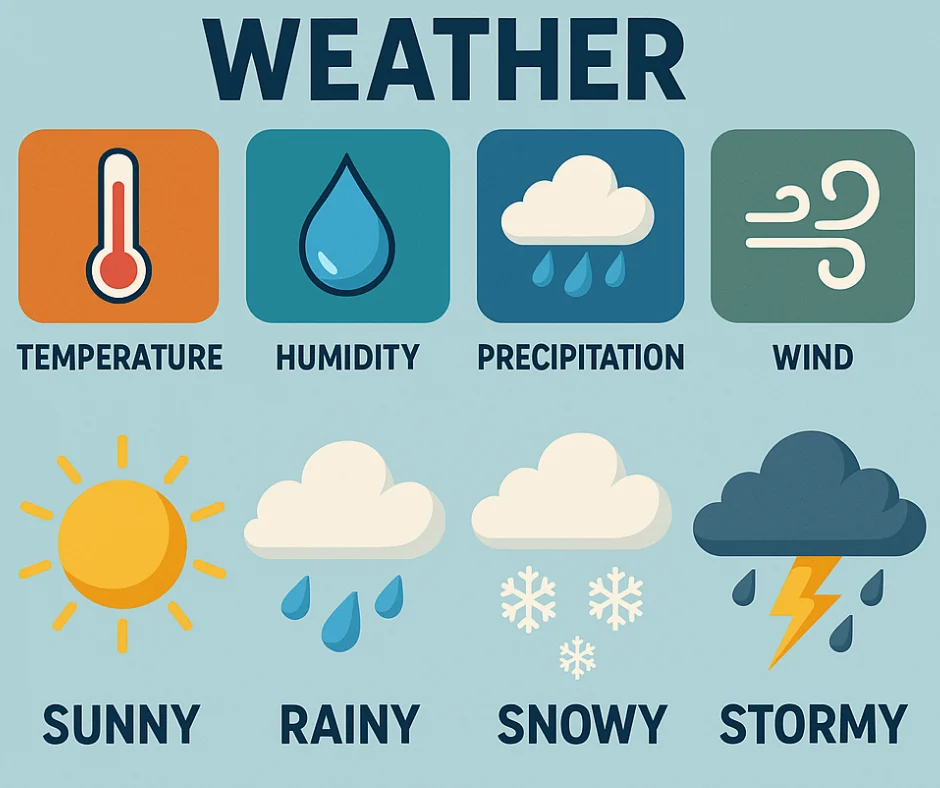
Weather is defined as the state of the atmosphere at a specific time and location. It encompasses various factors, including temperature, humidity, precipitation, and wind, which collectively determine the atmospheric conditions we experience day by day. Understanding weather is essential not only for everyday life but also for broader fields such as agriculture and climate science. Weather affects numerous aspects of our daily routines, influencing our clothing choices, travel plans, and outdoor activities. Furthermore, farmers heavily depend on weather patterns to optimize planting and harvesting schedules, as variations in weather can greatly affect crop yields.
Temperature serves as a crucial element in assessing weather, indicating how hot or cold the atmosphere is at any given moment. Humidity, on the other hand, measures the amount of moisture present in the air, playing a significant role in determining how comfortable or uncomfortable we feel. Precipitation refers to any form of water, including rain, snow, and sleet, that falls from the atmosphere to the Earth’s surface. Wind, a result of uneven heating of the Earth’s surface, can significantly influence weather patterns and temperatures by redistributing heat and moisture around the globe.
By studying weather systems, scientists can identify patterns and predict future atmospheric conditions, which is essential for disaster preparedness and resource management. For instance, understanding the seasonal behavior of weather can help communities plan for droughts or floods, safeguarding both human lives and resources. The dynamic and ever-changing nature of weather underscores the importance of meteorology as a scientific discipline, where data gathering and analysis pave the way for improving our understanding of atmospheric phenomena and their implications on our planet.

Philippines 🇵🇭 vs United Kingdom 🇬🇧 Full Comparison (2026) | Which is Better?

Philippines and United Kingdom (UK)
The Philippines and the United Kingdom are two distinct nations that play notable roles in the global landscape, each with unique characteristics that shape their identities. Geographically, the Philippines is an archipelago located in Southeast Asia, comprising over 7,000 islands in the western Pacific Ocean. It is situated to the east of Vietnam and north of Indonesia, covering an area of approximately 300,000 square kilometers. In contrast, the United Kingdom is located north-west of mainland Europe, consisting of Great Britain and the northeastern part of the island of Ireland, spanning around 243,000 square kilometers.
Demographically, the Philippines has a population of about 113 million people, making it the 13th most populous country in the world. The population is ethnically diverse, with more than 175 ethnolinguistic groups and a variety of local dialects, the most predominant being Tagalog. In contrast, the United Kingdom, with a population of approximately 67 million, is commonly known for its historical and cultural significance, integrating influences from various countries due to its colonial past.
Culturally, the two countries exhibit rich and vibrant traditions. The Philippines is characterized by a blend of indigenous, Spanish, and American influences, which manifest in its festivals, cuisine, and music. Celebrations like the Sinulog and Ati-Atihan festivals reflect this cultural diversity. Meanwhile, the United Kingdom boasts a rich tapestry of history and arts, known for its contributions to literature, music, and theatre, with figures such as Shakespeare and the Beatles having a lasting impact worldwide.
Understanding the geographical, demographic, and cultural frameworks of both nations lays the foundation for a profound examination of their scientific pursuits, challenges, and achievements. This comparative analysis aims to explore how these elements influence various scientific dimensions in each country.

Who is Your Most Influential Teacher? HUMANITYUAPD
Diplomacy: The Science Behind Global Relations & Peace

Diplomacy
Diplomacy serves as a fundamental aspect of international relations, representing the process through which countries negotiate and manage their interactions with one another. At its core, diplomacy involves the art of communication, negotiation, and problem-solving among global actors, including nations, intergovernmental organizations, and non-state actors. It essentially establishes and maintains relationships that shape a nation’s foreign policy and international standing.
The significance of diplomacy cannot be understated. It plays a critical role in preventing conflicts, promoting peace, and fostering cooperation on global issues such as trade, human rights, and environmental sustainability. Through diplomatic channels, states engage in discussions to address mutual concerns and formulate agreements, which can result in treaties and international accords. This cooperative spirit not only enhances bilateral relationships but also contributes to regional and global stability.
Historically, diplomacy has evolved significantly. From the ancient practice of envoy missions in Mesopotamia to the intricate multilateral negotiations of today, diplomacy reflects changes in political structures, technological advancements, and societal norms. The emergence of international law and organizations, such as the United Nations, has further transformed the landscape, making diplomacy a vital component in fostering international collaboration.
The main objectives of diplomatic efforts can be summarized as advancing national interests, ensuring national security, promoting international cooperation, and enhancing economic ties. Modern diplomacy adapts itself to include public diplomacy, cultural exchanges, and new media interactions, reflecting the complexities of contemporary international relations. Understanding these dimensions of diplomacy is crucial for comprehending the scientific underpinnings that govern state interactions on a global scale.
Request Cannot Be Completed at This Time | Error

Request Cannot Be Completed at This Time
The error message “request cannot be completed at this time” is a common occurrence across various software applications, web browsers, and operating systems. Users typically encounter this error while attempting to perform specific actions such as saving files, accessing applications, or making changes within the system. This issue can arise unexpectedly, often leaving users puzzled and frustrated.
Several underlying factors can lead to the emergence of this error message. These may include network connectivity issues, software conflicts, corrupted files, or insufficient permissions. For instance, if the software application faces interruptions in its connection to the internet, it might generate this error while attempting to retrieve or send information. Similarly, operating systems may present this error if critical files that facilitate operations are damaged or missing.
Understanding the context in which this error appears is crucial for diagnosing and addressing the issue effectively. It is often seen in scenarios involving file access, application functionality, or during system updates. As users navigate these challenges, they may notice variations in error prompt phrasing depending on the environment. Thus, recognizing the source and nature of the issue becomes fundamental to applying the right solutions.
Furthermore, acknowledging the frequency of this error across different systems illustrates the need for a consistent approach to troubleshooting. Finding a reliable fix is paramount, as it can enhance user experience and increase productivity. As we delve into the solutions and strategies for resolving this error, it is essential to keep in mind the various causes that may trigger such messages, ensuring a comprehensive understanding of the issue.
war caused by stubborn leaders

War due to the Stubbornness of Ministers or Kings
Leadership plays a crucial role in shaping the course of nations and organizations, and one of the more problematic traits that can affect a leader’s decision-making capabilities is stubbornness. Stubborn leadership is characterized by a refusal to adapt, the inability to consider alternative viewpoints, and an inclination to maintain the status quo even in the face of changing circumstances. Such rigidity can significantly impact policy-making, especially during critical junctures in history.
Inflexible leaders may find themselves at odds with both their advisors and the demands of their constituents. This lack of flexibility can lead to misaligned priorities and ineffective strategies, creating a detrimental ripple effect across governance. For instance, in times of conflict, a stubborn leader may persist in aggressive or misguided tactics, ignoring the counsel of diplomats and military strategists. This can escalate tensions between nations, increasing the likelihood of war.
Furthermore, stubbornness among high-ranking officials, ministers, or kings often translates into a failure to recognize the urgent need for diplomatic negotiations or peaceful resolutions. The refusal to compromise can perpetuate long-standing grievances, fueling animosity and mistrust between rival factions or nations. A historical examination of various conflicts reveals a direct correlation between inflexible leadership and the outbreak of war, demonstrating the hazardous implications of such an approach to governance.
Ultimately, understanding the dynamic of stubborn leadership is paramount for contemporary society. As the world continues to face various challenges requiring decisive leadership, recognizing the potential consequences of unyielding attitudes becomes essential to fostering a more collaborative and peaceful global community.
Session Timeout Error Solved 🔥 Step-by-Step Guide 2026

Understanding Session Timed Out Errors
In the realm of web applications, a session refers to the duration of interaction that a user has with a web service. This begins when a user logs in or accesses the application and concludes once they log out or their interaction ends. During this period, the system preserves information about the user’s state, preferences, and activities. However, when a user’s session exceeds the predefined time limit without activity, it results in what is commonly referred to as a session timed out error.
Session timed out errors typically occur due to inactivity on the user’s part. When a user remains idle for an extended period, the server automatically terminates the session to protect sensitive data and resources. This precautionary measure is essential in safeguarding users’ information, especially in applications that manage sensitive data, such as banking or healthcare services. As a result, when the user attempts to perform an action after the session has expired, they receive a notification indicating that their session has timed out.
The impact of session timed out errors on user experience can be quite significant. Such errors can lead to frustration, primarily when users lose their progress or unsaved work due to the session expiration. Regular users may find it especially irritating if they have to repeatedly log in to the application after brief moments of inactivity. Consequently, understanding and managing session timeouts effectively is crucial for enhancing user satisfaction and maintaining engagement in web applications.
New Update (HUMANITYUAPD) | 19-03-2026
Fix Unable to Process Request Error Fast ⚡ Step-by-Step Guide

We Are Unable to Process Your Request Right Now
The error message “We are unable to process your request right now” is a common notification encountered by users when trying to access a service or complete a transaction online. This message generally indicates that the request cannot be fulfilled at the moment, but it does not specify the underlying reason. Understanding this message is crucial for both users and service providers to troubleshoot the issue effectively.
One of the primary causes of this error is server overload. When large volumes of requests are sent to a server simultaneously, it may become strained, leading to delays or failures in processing. This situation is often exacerbated during peak usage times or events that drive increased user traffic, such as flash sales or major online events. In such instances, the server’s ability to handle multiple requests can diminish, resulting in the error message being displayed.
Connectivity issues can also play a significant role in triggering this error. Interruptions in the user’s internet connection, faulty routing, or issues with the Internet Service Provider (ISP) may cause communication breakdowns between the user and the server. These disruptions can lead to incomplete request transmissions and, hence, result in the inability to process the request. Furthermore, user input errors, such as submitting incorrect or incomplete information, may prompt the system to reject the request outright, thereby generating the error message.
In summary, the error message “We are unable to process your request right now” serves as a generic warning for users facing problems when engaging with web services. Recognizing the potential causes, including server overload, connectivity issues, and user input errors, can guide users in diagnosing and resolving these issues efficiently.
Why Understanding Is More Powerful Than Emotion

Better understanding than emotion
Emotion plays a pivotal role in shaping human experience, influencing our decision-making processes and interpersonal interactions. Distinct from emotion is the concept of understanding, which encompasses cognitive processes that interpret and make sense of emotional experiences. While emotions can invoke immediate reactions, understanding involves a deeper, reflective analysis of these feelings, allowing individuals to contextualize emotional responses within their lives.
The scientific examination of emotions is vital for several reasons. Firstly, it helps in identifying the underlying mechanisms that drive our emotional responses. This examination encompasses fields such as psychology, neuroscience, and sociology, each contributing unique insights that enhance our comprehension of emotionality. By dissecting how emotions are generated and processed in the brain, researchers can develop strategies to manage emotions more effectively.
Furthermore, cultivating a better understanding of emotions is crucial for both personal and social development. On a personal level, individuals equipped with emotional awareness can navigate the complexities of their feelings, leading to improved mental health and well-being. Recognizing the nuances of one’s emotional state allows for informed decision-making and fosters resilience against stressors.
On a societal scale, understanding emotions can bridge gaps between diverse groups, promoting empathy and effective communication. In contexts such as conflict resolution and collaborative endeavors, a comprehensive understanding of emotional dynamics can pave the way for shared experiences and mutual respect. Thus, the interplay between emotion and understanding is essential in enhancing our personal lives and cultivating a harmonious society.
Common English Idioms (Easy and Useful) | 28-day Free English Course

Common English Idioms
Idioms are expressions that convey meanings that are not immediately apparent from the individual words that comprise them. They represent a fascinating aspect of the English language and serve as a bridge to deeper communicative nuances. The importance of idioms in everyday communication cannot be overstated, as they enrich the language, making it more vibrant and expressive. Understanding idioms is essential for anyone looking to attain fluency in English, as their origins and meanings often reflect cultural traditions and historical context.
These figurative phrases can often confuse language learners because their meanings are not literal. For instance, saying someone “kicked the bucket” does not imply any physical act of kicking a bucket but rather refers to someone’s passing. This complexity forms a core aspect of idiomatic expressions, which adds depth to conversations and written text alike. By utilizing idioms, speakers can convey complex ideas succinctly and with added creativity, enhancing engagement with their audience.
The origins of idioms can be traced back to various sources, including folklore, geographic features, occupations, and social norms, which have influenced the way language developed over time. Many idioms have been passed down through generations, creating a rich tapestry of expressions that reflect the evolution of thought and culture. Knowledge of these phrases can not only improve one’s language skills but also provide insights into societal values and historical circumstances.
In conclusion, idioms are a pivotal component of the English language, serving as valuable tools for communication that encapsulate more profound meanings and reflections of culture. For learners, embracing idiomatic language can significantly enhance their understanding and use of English in both spoken and written forms.

Agreeing and Disagreeing Politely | 28-day Free English Course

Agreeing and Disagreeing Politely
Mastering the art of agreeing and disagreeing is an essential component of effective communication in English. These skills facilitate meaningful exchanges and foster understanding between individuals. When expressing agreement or disagreement, the way one articulates their thoughts can profoundly impact the dynamics of conversation.
Agreeing allows individuals to show support and affirmation towards another person’s opinion, creating a positive atmosphere. Conversely, disagreeing, when done respectfully and thoughtfully, encourages constructive dialogue and the exchange of diverse perspectives. As such, knowing how to approach these interactions with politeness is paramount. It not only demonstrates respect for the other person’s viewpoint but also enhances the likelihood of a fruitful discussion, even in the face of differing opinions.
Politeness in communication plays a significant role in building and maintaining good relationships. When individuals feel respected and valued in a conversation, they are more likely to engage openly and honestly. This creates an environment conducive to collaboration and mutual understanding. Furthermore, being polite when agreeing or disagreeing can prevent misunderstandings and mitigate conflict, allowing for a smoother exchange of ideas.
Incorporating politeness strategies, such as softening language and using conditional phrases, can transform a potentially contentious conversation into a more amicable discussion. By utilizing phrases like “I see your point, but…” or “I appreciate your opinion, however…”, speakers can navigate disagreements without alienating the other person. Understanding the nuances of agreeing and disagreeing is therefore not only practical but essential for effective communication in various contexts.
Expressing Feelings and Opinions: 28-day Easy and Free English Course

Expressing Feelings and Opinions
Expressing feelings is a fundamental component of human interaction and emotional health. Whether through verbal communication, body language, or written expressions, the way we convey our emotions significantly impacts our relationships and overall well-being. Understanding one’s emotions allows individuals to communicate more effectively, reducing misunderstandings and fostering deeper connections with others.
Emotional expression serves several purposes. Firstly, it enables individuals to articulate their internal experiences, leading to greater self-awareness. When people acknowledge and express their feelings, they can process and understand their emotional states better. This understanding is crucial, as it often informs how they react to various situations and how they relate to others.
Moreover, expressing emotions can be vital for mental health. Suppressing feelings can lead to emotional distress, anxiety, and other mental health issues. Conversely, when individuals express their emotions constructively, they contribute to a healthier emotional landscape, allowing for the release of pent-up feelings and opening avenues for dialogue. This practice not only benefits the individual but also enhances interpersonal relationships. Being open about one’s feelings encourages others to do the same, promoting mutual understanding and empathy.
Additionally, effective emotional expression can improve conflict resolution outcomes. By clearly articulating feelings during disagreements, individuals can address the underlying issues more effectively, steering conversations towards a more positive resolution. This element of emotional expression fosters an environment of trust and respect, where individuals feel safe to share not only their joys but also their concerns and frustrations.
English for Travel and Public Places | 28-Day Absolutely Free Course

English for Travel and Public Places
In today’s globalized world, English has emerged as a dominant language, particularly in the realms of travel and public places. Whether you are embarking on a journey to a foreign country or navigating the local amenities in your own city, the ability to communicate in English can significantly enhance your experience. This blog post aims to highlight the importance of mastering English for travel purposes, detailing how it can facilitate interactions, improve sightseeing experiences, and foster a deeper understanding of diverse cultures.
When traveling, encountering situations where English is the primary mode of communication is almost inevitable. From checking into a hotel to ordering food at a restaurant or asking for directions, knowing English can serve as a vital tool for overcoming language barriers. Even in regions where English is not the first language, it is often understood by locals in tourist areas. This understanding allows travelers to engage more meaningfully with the people and places they visit.
Moreover, navigating public places such as airports, train stations, and tourist attractions often requires basic communication skills in English. Signs, announcements, and information desks overwhelmingly utilize English, making it essential to grasp at least fundamental phrases and vocabulary. Familiarity with English or simple English expressions can make travel less daunting and more enjoyable.
Encouragingly, learning English for travel is not as demanding as it may seem. Resources abound in the form of language apps, online courses, and conversational practice groups tailored to beginners. With commitment and practice, anyone can develop the necessary skills to communicate effectively while traveling. The aim of this blog post is to provide insights on how acquiring English language skills can enrich your travel experiences and help bridge cultural gaps during your adventures.
How to Remember New Words | Day 24 | 28-Day Free English Course

How to Remember New Words
Vocabulary plays a crucial role in the journey of language acquisition. Whether one is learning English as a second language or enhancing their existing skills, the ability to remember new words significantly influences both comprehension and expression. A rich vocabulary facilitates effective communication. It empowers speakers to articulate their thoughts clearly and accurately, allowing for a more profound connection with listeners.
Moreover, having a diverse vocabulary enhances reading skills. When learners encounter unfamiliar words, their understanding of texts can be hindered. Conversely, being familiar with a broader range of vocabulary enables individuals to infer meanings and grasp nuances more effectively. This proficiency is particularly valuable when navigating complex materials, such as literature, academic texts, or professional documents.
In addition to aiding communication and comprehension, a well-developed vocabulary can boost confidence. Language learners often experience anxiety when speaking or writing, particularly in unfamiliar situations. However, possessing a firm grasp of certain words and phrases eases these pressures. With increased vocabulary knowledge, individuals can engage more freely in discussions and express their ideas without hesitation.
Ultimately, the importance of remembering new words cannot be understated. A strong vocabulary is the foundation of language mastery. It not only enriches a person’s linguistic capabilities but also enhances their overall learning experience. Recognizing the impact of vocabulary on speaking and understanding will inspire and motivate learners to invest time and effort into expanding their lexicon, thus paving the way for greater success in their English language journey.
English Vocabulary for Daily Life | 28-day Easy Free English Course

English Vocabulary for Daily Life
In today’s increasingly interconnected world, a strong command of the English language is essential for effective communication. English vocabulary forms the foundation of daily conversations, making it crucial for beginners to familiarize themselves with basic words and phrases. The ability to express oneself clearly can enhance interactions at work, school, or in social contexts. By expanding their vocabulary, learners empower themselves to share their thoughts, ask questions, and engage meaningfully with others.
Furthermore, English serves as a global lingua franca, spoken by millions across various countries. Having a solid vocabulary equips individuals with the confidence to navigate diverse situations, from casual chats with friends to formal discussions in professional settings. Learning and integrating new words into everyday use can significantly ease the process of engaging in conversations, resulting in more fruitful exchanges.
For beginners, the journey of acquiring English vocabulary may seem daunting; however, it can be approached in a friendly and supportive manner. By focusing on practical words and expressions commonly encountered in daily life, learners can gradually build their language skills without feeling overwhelmed. Engaging with vocabulary that is relatable and relevant allows beginners to quickly see the benefits of their learning, making it a rewarding experience.
Ultimately, the journey of learning English vocabulary is a step towards greater inclusivity and understanding within the global community. As various aspects of life involve communication, investing time to learn essential words serves not just personal growth, but also enriches connections with others. Through this blog post, we aim to provide you with a resourceful guide that will foster your understanding of essential English vocabulary, ensuring you feel equipped to embrace daily conversations with confidence.
Writing Short Paragraphs | Day 23 | 28-day Absolutely Free Course

Writing Short Paragraphs
Writing short paragraphs is a crucial skill, particularly for English learners who seek to improve their writing capabilities. Short paragraphs help convey ideas clearly and succinctly, making it easier for writers to express their thoughts and for readers to understand them. When learners use shorter paragraphs, they often find that their writing becomes more organized and coherent, which is essential in effective communication.
The essence of writing in short paragraphs lies in its ability to break down complex information into manageable segments. Each paragraph can focus on a single idea or topic, allowing readers to digest the content without feeling overwhelmed. This approach not only enhances readability but also encourages writers to develop their ideas more thoroughly, as each paragraph serves as a building block in the overall structure of the text.
For beginners, utilizing short paragraphs can be particularly beneficial. It provides a clear framework that guides them in arranging their thoughts logically. As English learners become accustomed to this format, they may find it easier to articulate their ideas, resulting in more polished and effective writing. In the context of academic or professional writing, this method helps meet standards for clarity and precision, essential traits sought after in any written communication.
In addition, writing short paragraphs can facilitate better engagement with the audience. Readers are more likely to remain attentive when faced with brief, well-structured paragraphs rather than lengthy blocks of text, which can often lead to confusion or disengagement. As learners develop this skill, they will undoubtedly notice an improvement in both their confidence and their ability to connect with their intended audience.
Writing Simple English Sentences | 28-day Absolutely Free Course (2026)

Writing Simple English Sentences
Writing is a fundamental skill that many individuals must master, especially beginners. The process can be daunting at times, yet it remains an essential ability that aids in communication and self-expression. When starting out, it is vital for budding writers to focus on simplicity. Writing simple English sentences helps to build a strong foundation and boosts confidence in their writing journey.
Simple sentences allow beginners to convey their thoughts and ideas clearly without overwhelming themselves or their readers. This clarity is crucial, as the primary aim of writing is to communicate effectively. By breaking down complex ideas into manageable, straightforward sentences, newcomers can ensure that their message is understood and appreciated.
Moreover, crafting simple sentences also reduces the risk of errors that may arise from more complicated structures, such as run-on sentences or convoluted phrases. As beginners practice writing clearly and concisely, they lay the groundwork for more advanced writing techniques in the future. Importantly, every writer starts as a beginner; thus, embracing this initial phase is essential for growth.
We encourage aspiring writers to practice regularly, as consistency is key to improvement. Experimenting with simple sentence construction can be a rewarding endeavor. With dedication and perseverance, beginners will not only gain the skills needed for effective writing but also develop confidence in their voice and style. Remember, writing is a journey, and everyone has a starting point.
Daily English Speaking Plan | 28-day Absolutely Free English course

Daily English Speaking Plan
Engaging in daily speaking practice is crucial for anyone learning a new language. This routine significantly contributes to building confidence, enhancing pronunciation, and improving overall fluency. When learners make a habit of speaking English every day, they create an environment where they can gradually overcome their reservations about using the language. This consistent exposure enables learners to utilize newly acquired vocabulary and structures in real-time conversations.
Confidence is often one of the most significant hurdles for language learners. By practicing speaking daily, learners familiarize themselves with the sounds and nuances of English, which reduces anxiety over time. As they hear themselves articulate words and phrases, they cultivate a sense of achievement that empowers them to engage more freely in conversations. This newfound assurance encourages learners to express their thoughts and opinions, further enriching their language learning journey.
Moreover, daily speaking practice enhances pronunciation. Regular interaction with the language helps individuals recognize and replicate the subtleties in pronunciation. With continued practice, learners become more attuned to the rhythm and intonation of English, leading to clearer communication. As they articulate phrases and sentences, they can correct their mistakes and refine their skills, making every practice session an opportunity for growth.
Additionally, daily speaking fosters fluency, which is essential for effective communication. When learners speak every day, they reinforce their memory of new words and phrases, making it easier to recall them during conversations. This daily reinforcement builds a solid foundation for language retention and allows for smoother communication, as thoughts can be expressed more swiftly. In essence, regular speaking practice not only enriches vocabulary but also streamlines the learning process, enabling learners to progress at a much quicker pace.

You must be logged in to post a comment.