Category Archives: Headache

INFORMATION ABOUT EPILEPSY

EPILEPSY

On a summer day, storm clouds can suddenly gather and transform an afternoon of sunshine into a violent monster of rain, hail, lightning bolts, and the occasional twister. Sunlight and warmth get blotted out. So it is with the nervous system. The brain’s higher functions, working in harmony with the body, promote consciousness and a sense of well-being. But because the brain functions through the medium of electrochemical reactions, the occasional storm knocks the brain out of balance.
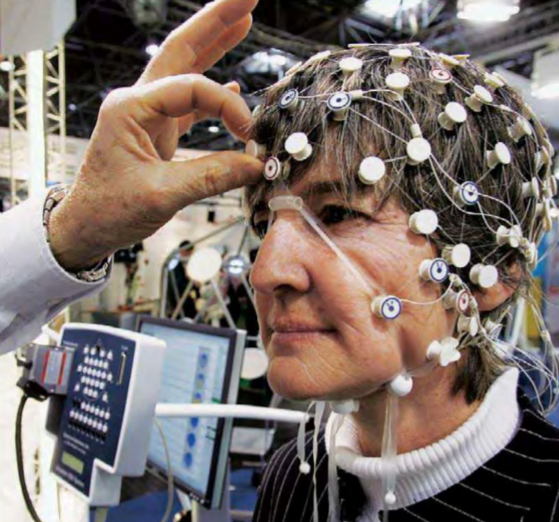
A woman wears an EEG sensor net that aids in epilepsy analysis.

Epilepsy is a flood of electrical discharges in groups of cranial neurons. While the brain suffers through its own electrical storms, no other signals get passed through. Those who suffer an attack may fall to the ground, black out, foam at the mouth, and jerk about uncontrollably. Epileptic seizures can last from a few seconds to a few minutes, and can vary widely in their ferocity.

TYPES OF EPILEPTIC SEIZURE

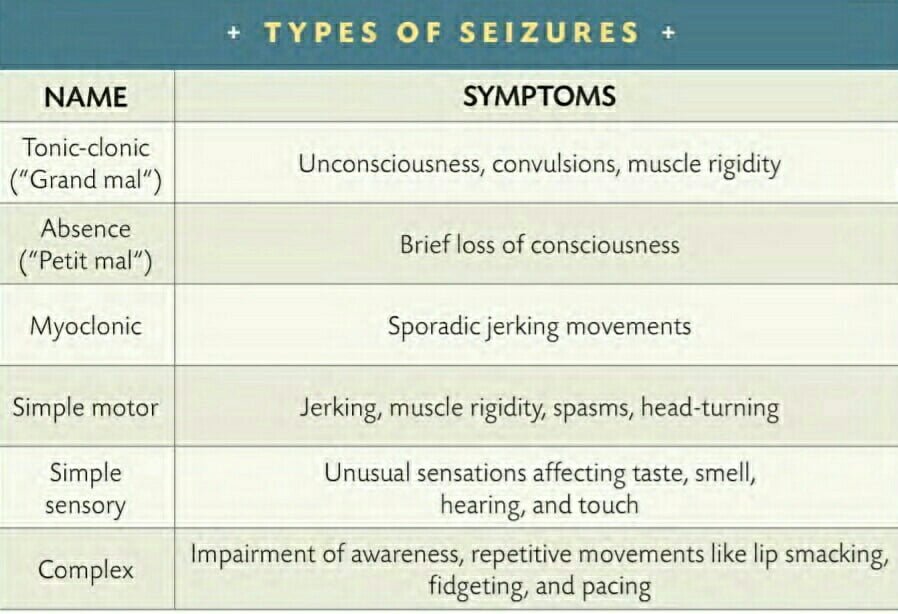
The mildest used to be called petit mal, French for “little illness.” Now they’re referred to as absence seizures. Sufferers, usually young children, lose consciousness for a few seconds, often staring blankly into space. They typically do not know what has happened to them. Such seizures usually go away by age ten.

Stronger, convulsive seizures are called tonic-clonic, which replaces the old term, grand mal, French for “big illness.” Epileptics in the midst of a tonic-clonic seizure lose consciousness and may experience loss of bowel or bladder control, as well as muscle contractions so severe they have been known to break bones. After a few minutes, when a major seizure dissipates, the sufferer slowly regams awareness. Some tonic-clonic attacks give fair warning. Sensory hallucinations known as auras, including smells and bright lights, give the sufferer a chance to lie on the floor before the onset to avoid the potential injury of falling.

DIVINE ILLNESS

A NEUROSCIENCE JOURNAL article in 1997 listed religious figures thought to be linked with epilepsy because of recorded accounts that match its symptoms. The historical figures included:

  • Saint Paul, apostle and writer of much of the New Testament.
  • Joan of Arc, 15th-century saint and heroine of France.
  • Emanuel Swedenborg, 18th-century theologian.
  • Ann Lee, 18th-century leader of the “Shaking Quakers,” or Shakers.
  • Joseph Smith, 19th-century founder of the Church of Jesus Christ of Latter-day Saints, commonly called the Mormon Church.
CAUSES & TREATMENTS

Epilepsy has a variety of causes. Some are genetic in origin and caused by an inherent problem in the brain. Typically, the disease strikes far more men than it does women. Other cases have their onset after physical injuries to the brain, such as strokes, fevers, tumors, or head wounds.

About the size of an almond, the small hypothalamus plays a big role in both the nervous and endocrine systems.

Treatment options include anticonvulsive drugs and vagus nerve stimulation. In the latter, stimulators are implanted in the chest to send regular pulses of electricity through the vagus nerve to the brain. These pulses aim to keep the brain’s electrical activity from tipping from order to chaos.

New possibilities include the implantation of monitoring devices combined with electrical stimulators or drugs. The idea is to detect the subtle electrical changes that signal an oncoming epileptic seizure, then deliver a small shock or dose of medicine to ward off the attack before it strikes.

Epilepsy: The Electrical Storm in the Brain
EPILEPSY : THE ELECTRICAL STORM IN THE BRAIN

Epilepsy is an ancient disease that has fascinated and frightened scientists and laymen alike. Before we acquired a working knowledge of the central nervous system, seizures were shrouded in mystery. In antiquity, the disease was accredited to gods and demonic possession, causing those with epilepsy to be feared and isolated. Epilepsy patients continued to face discrimination through the mid-20th century. This discrimination ranged from lack of access to health insurance, jobs, marriage inequality, and even forced sterilizations. Despite the strides that have been made, there are still many misconceptions globally regarding epilepsy. While there has been substantial progress, more work needs to be done to educate people across the globe about the pathology of the disease, its causes, and mechanisms. Studies show that patients with epilepsy living in communities that understand the pathology and cause of seizures are generally more successful in social and educational environments. In this book, beyond current treatments that may include anti-epileptic drugs (also called anti-seizure medications), neurosurgery, neuro-stimulation, lifestyle modifications, and dietary changes, I ( Author ) will discuss the recent modalities of gene therapy, immunotherapy, and neutrophil therapy, and will outline more advanced research options, some of which remain to be pursued. I ( Author ) will also posit that the root cause of epilepsy is an autoimmune disease that had gone rogue, damaging the brain’s normal functions and leading to neurodegenerative diseases, including epilepsy. Under this theory, the seizures are but the symptoms of that disease. Brain function being highly non-linear, it is not too surprising that anti-seizure/anti-epileptic drugs that assume a linear brain function have been only partly successful. In all these endeavors, the well-being of the patient is foremost, and that is why I ( Author ) will also include suggestions, recommendations, and available supporting resources for patients and their caregivers, how they can live and cope with their epilepsy, and what they can do about it.

EPILEPSY : THE ELECTRICAL STORM IN THE BRAIN

About the Author

DR. ALAIN L. FYMAT is a medical-physical scientist and an educator. He is the current President/ CEO and Institute Professor at the International Institute of Medicine & Science with a previous appointment as Executive Vice President/Chief Operating Officer and Professor at the Weil Institute of Critical Care Medicine, California, U.S.A. He was formerly Professor of Radiology, Radiological Sciences, Radiation Oncology, Critical Care Medicine, and Physics at several U.S. and European Universities. Earlier, he was Deputy Director (Western Region) of the U.S. Department of Veterans Affairs (Office of Research Oversight). At the Loma Linda Veterans Affairs Medical Center, he was Scientific Director of Radiology, Director of the Magnetic Resonance Imaging Center and, for a time, Acting Chair of Radiology. Previously, he was Director of the Division of Biomedical and Bio-behavioral Research at the University of California at Los Angeles/Drew University of Medicine and Science. He was also Scientific Advisor to the U.S. National Academy of Sciences, National Research Council, for its postdoctoral programs tenable at the California Institute of Technology and Member of the Advisory Group for Research & Development, North Atlantic Treaty Organization (NATO). He is Health Advisor to the American Heart & Stroke Association, Coachella Valley Division, California. He is a frequent Keynote Speaker and Organizing Committee member at several international scientific/medical conferences. He has lectured extensively in the U.S.A., Canada, Europe, Asia, and Africa. He has published in excess of 525 scholarly scientific publications and books. He is also Editor-in-Chief, Honorable Editor or Editor of numerous medical/scientific journals to which he regularly contributes. He is a member of the New York Academy of Sciences and the European Union Academy of Sciences, a board member of several institutions, and a reviewer for the prestigious UNESCO Newton Prize, United Kingdom National Commission for UNESCO.

MAPPING SEIZURES [ DELICATE BALANCE – THE NERVOUS SYSTEM ]

MAPPING SEIZURES [ DELICATE BALANCE – THE NERVOUS SYSTEM ]

Seizures may occur in any part of the brain; their point of origin often can be mapped. Some occur as a result of lesions in specific domains. Nineteenth-century doctor John Hughlings Jackson, an aloof but meticulous researcher, posited that lesions would produce two effects. He based this belief on the idea that most of the neurotransmitters in the brain at any given moment inhibit action. A minority of neurons at anyone time release neurotransmitters that bind to receptors. Others do nothing. Thus, Jackson said lesions would produce negative reactions because of the destruction of brain tissue. However, they also would have the opposite reaction of freeing other, healthy areas of the brain, which previously had been suppressed.

Four ions-sodium, potassium, calcium, and chloride-regulate electrical charges in synapses.

The minus and plus aspects of brain damage appeared to match the observed effects of a brain tumor in a teenage girl named Bhagawhandi in the 1970s. A neuroscientist who observed the girl diagnosed a malignant brain tumor. As the tumor grew to press on her temporal lobe and her brain started to swell, she suffered a series of seizures. They grew more frequent. However, whereas her initial seizures were intense grand mal convulsions, her new manifestations, localized in the temporal lobe, were weaker. She began experiencing dreamy states in which she saw visions of her home in India. Far from being unpleasant, they made her happy-“They take me back home,” she said. She remained peaceful and lucid during her episodes. The seizures killed her in a few weeks, but doctors often noted the rapt expression on her face as she moved deeper into her visions. Only a few diseases of the central nervous system produce pleasure. Anything that pushes the brain out of homeostasis is more likely to bring pain and discomfort to the body.

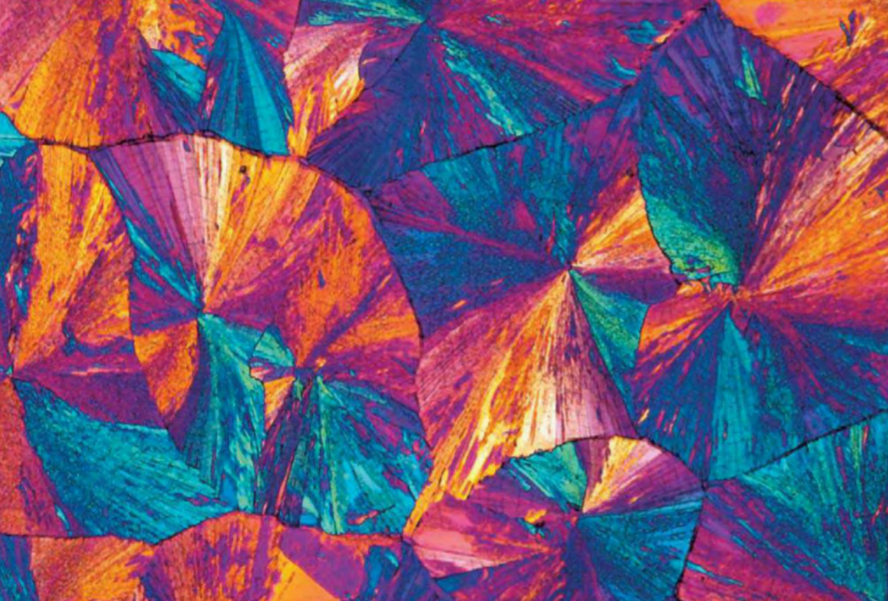
A photomicrograph of L-dopa, suggestive of an abstract painting, hints at the complex world of neurochemistry.

The beauty of L-dopa lay in aseemingly simple but startling idea for treatment: If the neurons’ ability to make dopamine had dramatically decreased, why not merely supplement the supply of the drug in the brain? Not only did L-dopa help the encephalitis lethargica patients, it also became a popular treatment for a far more common disease, Parkinson’s disease, marked by muscle rigidity and loss of motor control.

Despite its ability to ease suffering, though, L-dopa is no “magiC bullet,” no magic cure. Sacks’s patients began relapsing into their former patterns of tics and frenzies. Parkinson’s sufferers also found that over time, L-dopa lost some of its power to help them. Still, the tangible results of L-dopa treatments have encouraged neuroscientists to seek the right combination of medications to restore balance to brain chemistry for a variety of illnesses.

SEIZURES [ DELICATE BALANCE – THE BRAIN’S EQUILIBRIUM ]

SEIZURES [ DELICATE BALANCE – THE BRAIN’S EQUILIBRIUM ( THE NERVOUS SYSTEM ) ]

Abnormal electrical activity in the brain produces seizures, which have a broad range of manifestations. Some are so minor that they may occur unnoticed, while others can cause violent spasms and convulsions. Victims may even lose consciousness. They can be a one time event or occur frequently.

A number of things can cause seizures: Serious conditions like strokes, brain tumors, and severe head injuries can generate them, as well as other seemingly harmless things like bright, rapidly flashing lights and low blood sugar.

TYPES OF SEIZURES

There are two general types of seizures: generalized and partial. Generalized seIZures involve both sides of the brain from the beginning of an episode while partial seizures begin in specific regions of the brain and may spread to the entire brain. Generalized seizures have several subtypes, from tonicclonic seizures (formerly known as grand mal) to absence seizures (also known as petit mal).

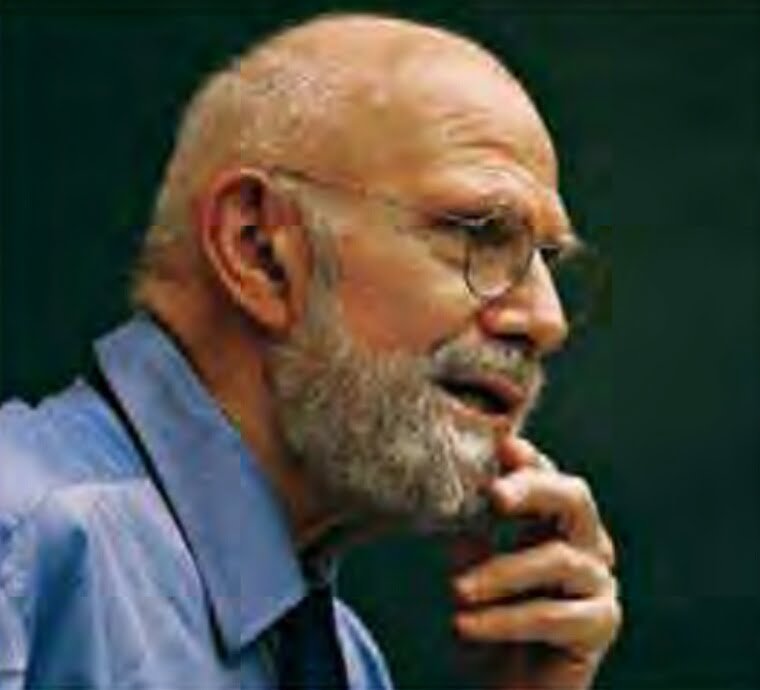
Oliver Sacks

FIRST THEY felt hyperactive and frenzied. Then their body motions became more violent, and they would twitch and convulse. Finally, they fell into a deep trance. And there they remained, these sufferers of the disease encephalitis lethargica, until neuroscientist Oliver Sacks found them in the 1960s-40 years later. As depicted in the movie Awakenings (1990), Sacks gave them L-dopa, which the brain transforms into dopamine. The dopamine levels in the postencephalitic patients had been greatly diminished by their disease. The patients woke up from their stupor, and health seemed to be restored to them.

MIGRAINES [ THE BRAIN’S EQUILIBRIUM ]

MIGRAINES [ THE BRAIN’S EQUILIBRIUM ]

THE DAMAGE caused by headaches is eye-popping. About 45 million Americans suffer them regularly, and about half of the sufferers find the pain severe and sometimes disabling. The result: lost time from work, play, the day to day stuff of life. Counting only the 30 million who suffer migraine headaches one of the 150 described categories of headaches American victims lose 157 million work days each year.

ALL IN YOUR HEAD?

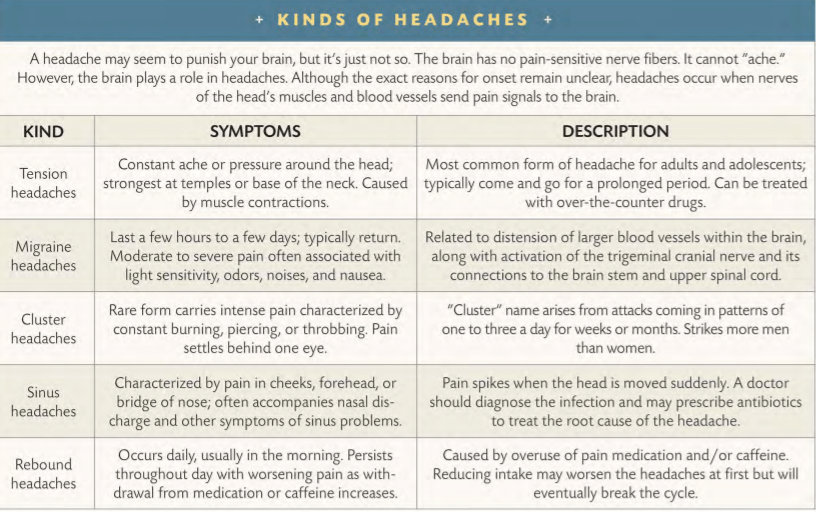
Victims often describe the pain as throbbing or pounding. Other related symptoms include sensitivity to light, sound, and odor. Some experience nausea, abdominal pain, or vomiting, and some sufferers report seeing auras or streaks of light shortly before the pain begins. Young victims may also complain of blurred vision, fever, dizziness, and upset stomach. A few children get migraines about once a month accompanied by vomiting; such headaches are sometimes referred to as abdominal migraines. About 5 percent of children younger than 15 report having had migraines, compared with 15 percent who experienced tension headaches.

ANATOMY OF A MIGRAINE

Headaches occur when nerve cells that are pain sensitive, for reasons that are still not clearly understood, begin sending pain signals to the brain. These nociceptor cells often act in response to stress, tension, hormonal changes, or the dilation of blood vessels.

Pain from migraine headaches is typically located on only one side of the head, behind the eye.

Some researchers theorize that chronic headache sufferers lack normal levels of pain-blocking neurotransmitters called endorphins, a Greek word that means “the morphine within.” This deficiency means that their pain signals are more likely to cause severe discomfort than those in people who have higher endorphin levels.

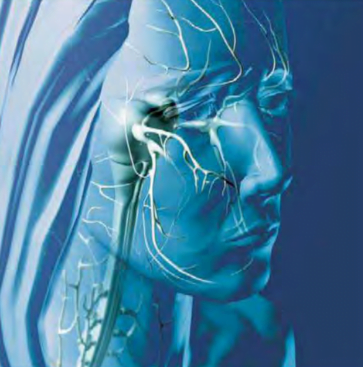
Migraines are particularly devastating because of their severity and recurrence. They begin with impulses in hyperactive nerve cells. These impulses tell blood vessels in the head to constrict, and then to dilate. The process releases serotonin, prostaglandins, and other chemicals that inflame nerve cells surrounding the blood vessels in the brain. Specifically targeted are the trigeminal cranial nerve and its connections to the upper spinal cord and brain stem. The result: pain. Researchers long believed migraines arose from the narrowing and expanding of blood vessels on the surface of the brain; now, the most common theory traces migraines to hereditary abnormalities of the brain itself.

HEADACHES ( THE BRAIN’S EQUILIBRIUM )

HEADACHES ( THE BRAIN’S EQUILIBRIUM )

HEADACHES In the waning days of the Civil War, Union general Ulysses S. Grant was suffering from a terrible headache. He stopped at a farmhouse in the rear of his army, which had been pressing the forces of Confederate general Robert E. Lee. “I spent the night in bathing my feet in hot water and mustard, and putting mustard plasters on my wrists and the back part of my neck, hoping to be cured by morning,” Grant wrote in his journal on April 9, 1865.

Shortly afterward, Grant was visited by a messenger who carried a note saying Lee, who had refused to surrender the previous day, had changed his mind and would be willing to meet to discuss a formal end of hostilities. “When the officer reached me,” Grant said, “I was still suffering from the sick headache; but the instant I saw the contents of the note I was cured.”

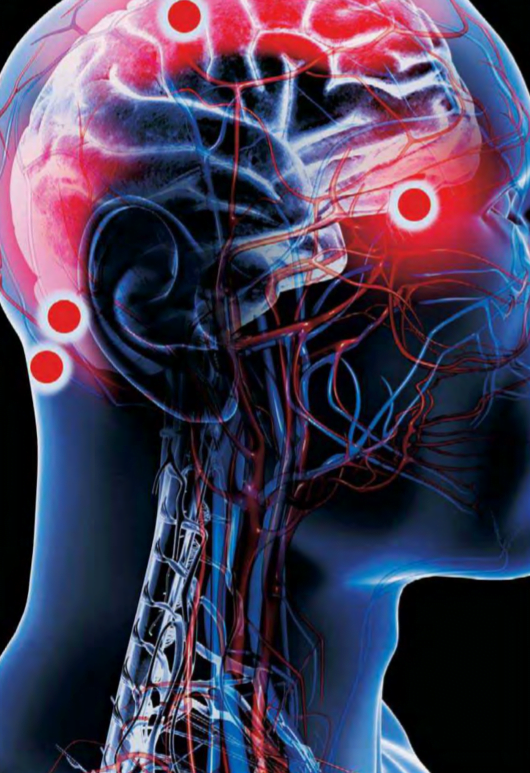
Red indicates pain in a map of common headache sites, none of which is in the brain itself

Grant probably suffered from a muscle-contraction, or “tension,” headache. Typically, a tension headache begins when the neck, scalp, and face muscles are tensely held stiff for a long time. The most usual source is prolonged anxiety, a debilitating form of stress. Grant needed Lee to surrender; Lee’s announcement of his plans took the worries, and the agony, away. “The pain in my head seemed to leave me the moment I got Lee’s letter,” Grant reportedly told an aide as he rode off to end the war.

HEADACHES CATEGORIES

Even as it serves as an indicator that homeostasis is being disrupted, a headache is not a disease per se. Instead, it maya symptom of some other problem. It can manifest itself in response to irritation of blood vessels in the head, or to an injury or imbalance, or to inflammation of bodily tissues, to disorders related to stress-or to a host of other possible triggers. While it may feel as if the brain screams in pain, a headache can only occur outside the brain itself, which contains no pain receptors.

Headaches come in dozens of varieties. An easy way to categorize them is by the ways they cause pain. Muscle contractions such as Grant’s are one of the most common sources, especially among those living with high levels of stress. Dilation of blood vessels is a second typical cause. When arteries expand in the head, they squeeze against surrounding tissues, producing viselike pressure and pain. Fever, migraines, drug reactions, changes in blood pressure, and carbon dioxide poisoning can provoke dilation. Internal traction an abnormal growth in the head, for example is a third trigger. When a tumor presses against other tissues, or the brain itself begins to swell, the pressure causes pain. Inflammation is a fourth common source. Allergic reactions and infections such as meningitis can irritate pain-sensitive receptors in the head. Finally, headaches can occur without an obvious physical cause. These headaches are called psychogenic, meaning they arise in the psyche. They may spring from an emotional problem, as the sufferer converts emotional pain into real, physical symptoms.

The word migraine evolved from the Greek word hemikrania, meaning “half-skull.”

HEADACHE CATEGORIES

Many of these disorders strike not next to the brain, but in the eyes, sinuses, and other facial organs and tissues. Cranial nerves intimately connect the face and neck muscles to the brain, so it is no wonder pain sensations can spread until they feel as if they overwhelm the entire head.

Treating chronic headaches requires a proper diagnosis. Given the wide range of headaches and their causes, as well as the possibility of triggers working in combination, medical treatment often relies on detective work. At least, however, the efficacy of treatment has advanced since humanity first tried to cure a headache. A thousand years ago, Arabs recommended applying hot irons to the head, while a French medical treatise written in Latin urged sufferers to mix the brain of a vulture with oil and shove it up the nose. Today, modern pharmaceuticals, relax- ation techniques, and proper diet target dilation, tension, and other causes. One of the most effective pain relievers is common aspirin.