SPIN Selling: A Proven Framework for Sales Success
SPIN Selling is one of the most influential sales techniques ever developed. Introduced by Neil Rackham in his groundbreaking 1988 book SPIN Selling, this methodology is based on research rather than persuasion tricks. Unlike traditional selling methods that focus on pushing products, SPIN Selling emphasizes uncovering customer needs through structured questioning.
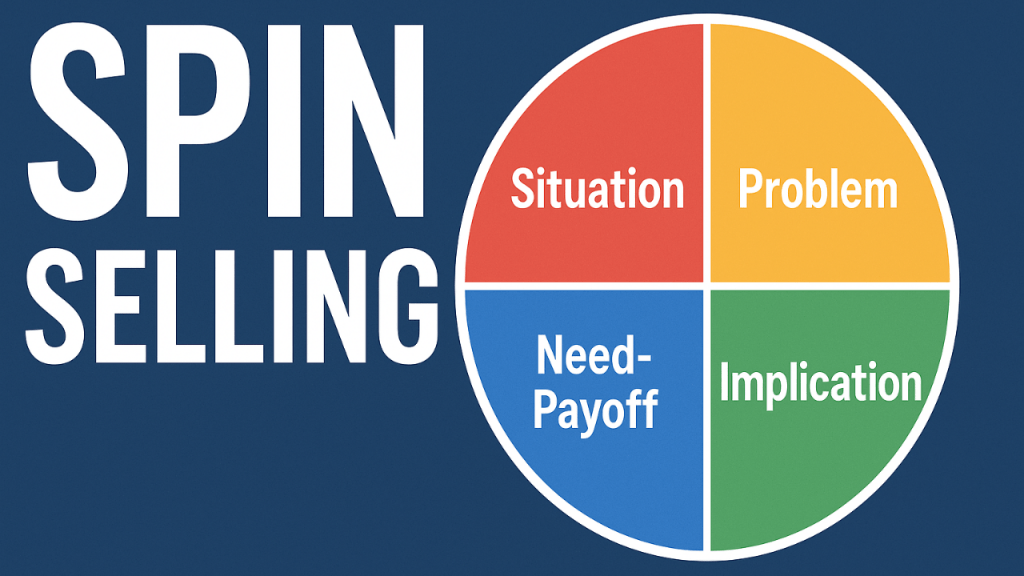
The term SPIN is an acronym for Situation, Problem, Implication, and Need-Payoff—four critical stages of a sales conversation. Each stage helps sales professionals build deeper relationships, guide prospects through reflection, and highlight the value of their solution.
Understanding the SPIN Framework
At its core, SPIN Selling is about asking the right questions. Rackham’s research team at Huthwaite International studied more than 35,000 sales calls across industries. They discovered that the best salespeople focused less on closing techniques and more on dialogue that uncovered genuine needs.
The SPIN framework follows four steps:
- Situation – Gather background information about the client’s current circumstances. This includes understanding processes, tools, and workflows to set the context.
- Problem – Identify specific challenges the client faces. Asking open-ended questions encourages prospects to share frustrations and obstacles.
- Implication – Explore the consequences of those challenges. By guiding clients to reflect on the cost of inaction, salespeople create urgency.
- Need-Payoff – Show how the proposed solution provides measurable benefits. This final stage highlights the positive impact on efficiency, growth, or profitability.
By progressing through these stages, sales professionals move from simply pitching a product to becoming trusted advisors.
The Role of Effective Questions
SPIN Selling works because it transforms conversations. Each question type serves a unique purpose:
- Situation questions set the stage: “What system are you currently using to track sales?”
- Problem questions uncover pain points: “What difficulties do you face with your current system?”
- Implication questions stress urgency: “How would inefficiencies affect your revenue if not resolved?”
- Need-Payoff questions highlight benefits: “How much time would your team save with an automated solution?”
This structured approach ensures clients articulate their own needs, which makes the solution more relevant and persuasive.
Applying SPIN Selling Across Industries
One of the strengths of SPIN Selling is its adaptability. It can be applied across multiple industries and sales models:
- B2B Sales – Software providers use SPIN to uncover inefficiencies in client systems and position solutions as strategic investments.
- B2C Sales – Luxury retailers employ SPIN to connect with customers’ deeper desires, like lifestyle aspirations, which create stronger buying motivations.
- Healthcare – Providers can highlight the implications of ignoring health concerns, guiding patients toward preventive care or treatments.
- Finance and Technology – Salespeople emphasize the risks of outdated systems or poor investments, then demonstrate the payoff of adopting innovative solutions.
No matter the industry, SPIN Selling creates conversations that resonate with real customer needs.
Overcoming Common Challenges
While powerful, SPIN Selling requires practice. Salespeople often struggle with two challenges:
- Crafting quality questions – Rushing through the process or asking vague questions limits effectiveness. The solution is training, role-playing, and active listening.
- Cultural resistance – Some organizations prefer old-school sales tactics. Leaders can overcome this by sharing SPIN success stories and encouraging team adoption.
When applied correctly, SPIN Selling not only drives better sales outcomes but also strengthens long-term client relationships.
Why SPIN Selling Still Matters
Decades after its introduction, SPIN Selling remains relevant because it is built on timeless principles of human interaction. Customers want to feel understood, not pressured. By focusing on genuine needs, sales professionals can:
- Build stronger trust
- Create urgency naturally
- Position their solutions as essential
- Increase closing rates and customer loyalty
SPIN Selling is more than a technique—it is a customer-first philosophy that empowers sales teams to succeed in any industry.
✨ For more expert insights on SPIN Selling and proven business strategies, visit humanityuapd.com

You must be logged in to post a comment.