Daily writing prompt
How have you adapted to the changes brought on by the Covid-19 pandemic?

War between countries over underground oil
I am free: I don’t live to please anyone | Freedom
What Does Action Required Mean?
I do not live to please anyone
Verification Completed But Still Pending
What Does In Progress Status Mean?
Something Went Wrong Try Again Later
Login Systems Down Now – What’s Happening?
Online Applications Not Working Today
Identity Verification Systems Down
Approval Take After Submission
How Long Does Refund Processing Take?
How Long Does Status Update Take?
If Website Keeps Logging You Out
What to Do If OTP Does Not Arrive
What to Do If Status Does Not Change
Is It Safe to Retry Verification Multiple Times?

A: You can create an account by visiting the Google Store website and clicking on the “Sign In” button at the top right corner. Follow the prompts to sign up using your existing Google account or create a new one.
A: To update your account details, log in to your Google Store account, navigate to the “Account” section, and select “Edit Profile.” Here you can modify your personal information, payment methods, and more.
A: If you experience any issues with your order, such as incorrect items or missing products, please contact Google Store customer service. You can reach them via the “Contact Us” link at the bottom of the website or through the Google Store Help Center.
A: Once your order is dispatched, you will receive a confirmation email with a tracking number. You can use this number on the courier’s website to monitor the status of your shipment.
A: Detailed specifications for each product are available on the individual product pages. Navigate to the product of interest and scroll down to find the technical details, features, and comparisons.
A: Yes, the Google Store occasionally offers certified refurbished products. These items are rigorously tested and come with a standard warranty. Visit the “Special Offers” section for availability.
Learn More 👇

Website auctions have become an increasingly popular method for buying and selling online properties. As the digital landscape continues to expand, the demand for established websites and domain names has soared, leading to a thriving marketplace where entrepreneurs and investors can explore lucrative opportunities. In this comprehensive guide, we will delve into the captivating realm of website auctions, exploring the intricacies of this dynamic industry and providing invaluable insights for both buyers and sellers.
Website auctions are platforms or events where individuals can bid on and acquire websites, domain names, and online businesses. These auctions can take place through dedicated online marketplaces, auction houses, or specialized platforms that cater to the digital asset trade.
In a website auction, participants engage in competitive bidding to secure their desired assets. This process demands strategic decision-making, as bidders must evaluate the value of the digital property and gauge their competitors’ interest. Additionally, post-auction negotiations may occur, allowing the winning bidder to finalize the transaction and address any outstanding queries.
Both sellers and buyers are advised to conduct thorough due diligence before participating in website auctions. From a seller’s perspective, ensuring that all legal documentation and ownership rights are in order is imperative. On the other hand, buyers should scrutinize the technical aspects of the website, such as its design, coding, and SEO practices, to make informed investment decisions.
As the digital ecosystem continues to evolve, website auctions are poised to play an increasingly pivotal role in the online business landscape. The democratization of website ownership, the proliferation of e-commerce ventures, and the expanding relevance of digital branding are all factors that contribute to the sustained growth of website auctions. Moreover, as the pool of digital assets continues to expand, auction dynamics are expected to evolve, offering enhanced features and streamlined processes for all participants.
In conclusion, website auctions represent a compelling avenue for individuals and enterprises to engage in the vibrant digital marketplace. Whether you are a seasoned investor seeking new acquisitions or an entrepreneur looking to divest digital assets, website auctions offer an efficient, transparent, and dynamic platform for conducting transactions. By understanding the nuances of this thriving industry and staying informed about market trends, participants can capitalize on the myriad opportunities presented by website auctions, paving the way for profitable digital ventures and strategic online investments.
This comprehensive overview illuminates the captivating world of website auctions, providing valuable insights and strategic guidance for those looking to navigate this exhilarating terrain. With the digital economy flourishing and the demand for online assets reaching unprecedented levels, website auctions stand as a beacon of opportunity, drawing in astute investors and ambitious entrepreneurs alike.
If 2,000 neurons are sufficient for simple learning, imagine the explosion of complex behavior that accompanied the growth of neural complexity about 530 million years ago. Larger clumps of neurons in the diverse animal population that seemingly emerged overnight encouraged the flourishing of new animal species. The variety of new species could better react to, and survive, changes in their environments. Ocean life diversified into the ancestors of today’s worms, mollusks, and crustaceans.
The forward tip of the neural cords in the first proto-vertebrates began swelling and folding to create primitive brains. Neural networks in those early brains began to diversifY. Some connections began to specialize in vision. Some took on the function of hearing. Among the sharks, neural connections specializing in smell became hypersensitive, empowering them to detect blood in concentrations as small as 1 part per 25 million of water. That allowed them to smell bloody prey a third of a mile away (and, not coincidentally, strengthened their chances for survival in the constant interspecies combat of evolution).
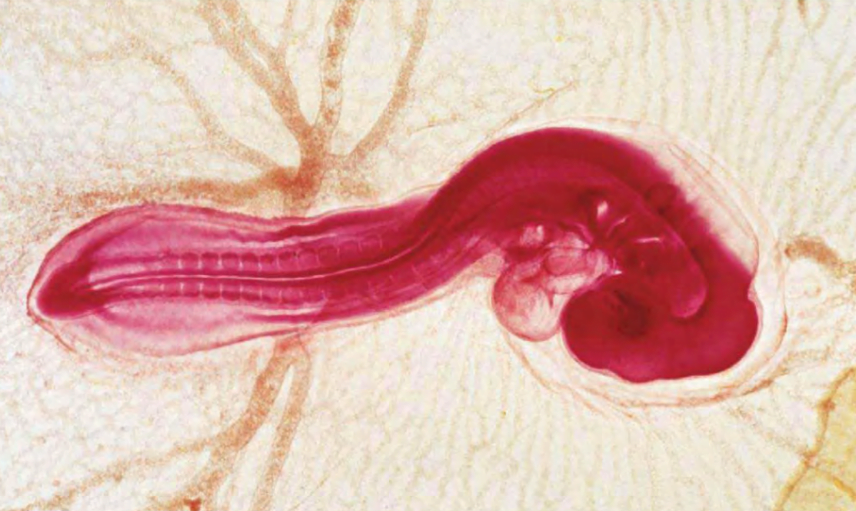
As animals began crawling out of the ocean onto the shore, around 360 million years ago, their brain didn’t begin anew. Instead, new experiences and new evolutionary developments were laid down atop their existing neural networks. Birds and reptiles added new levels of behavior, and new brain matter developed as well. Mammals put their own layers on top of their evolutionary predecessors. And finally, humans with their gigantic brain added the newest and most complex layers in the wrinkly pink walnut of the cerebral cortex.
Darwin explicitly put humans in the crosshairs of his theory with the 1871 publication of The Descent of Man. Human bodies and brains evolved and continue to do so.
The human brain differs physically from those of other mammals in its size, complexity, and dominance of its cerebral cortex. Just like speed and strength, early advantages in the brain such as analytical power (“How can I trap that animal?”) and capacity for speech (“How can I get others to help me trap that animal?”) improved the odds of early humans’ survival. Advantages spread to new generations and became common.
Networks of synapses constantly compete with each other; roughly like animal species fighting for limited food. Networks that get steady stimulation grow stronger; while others atrophy. Nobel laureate Gerald Edelman calls the process neural Darwinism.
FROM THE single celled product of conception, the human animal grows into a complex, uniquely cognitive being. Evolution has built upon older, more primitive animal brain forms to lead humanity to emotion and rational thought. Over eons of time, neural circuitry has developed to promote and continue to promote individual and collective survival. That’s because the human brain is “plastic,” primed from an extremely young age to learn and change.
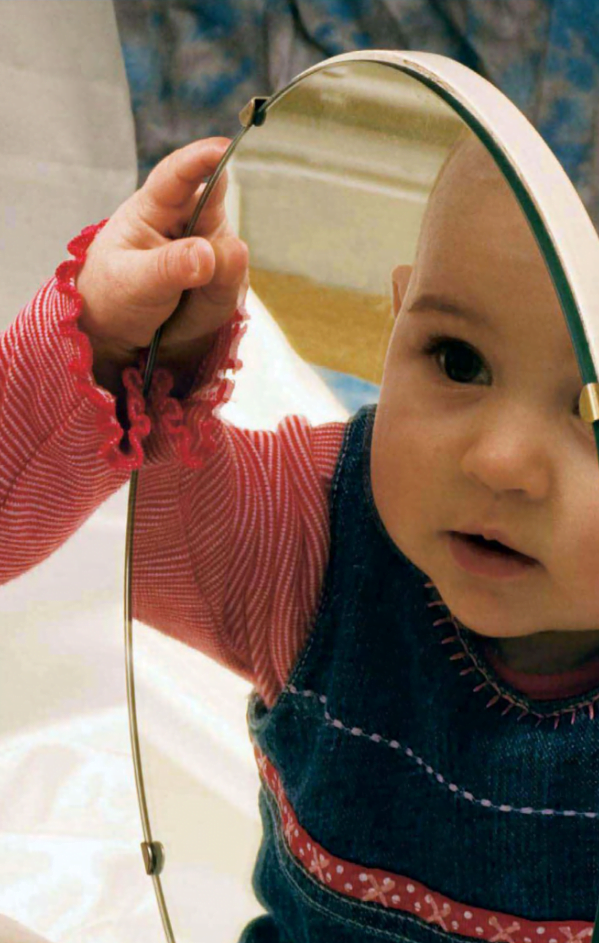
THE DEVELOPMENT of the human brain is written in millions of years of evolution, its story still unfolding.
Neurons began to emerge with the appearance of multicellular animals. The earliest neural connections formed primitive networks of cells in tiny life-forms swimming in primordial oceans. Today, such systems can still be found in simple life-forms such as jellyfish.
Animals with only the barest collection of neurons can function with surprising sophistication. The marine snail Aplysia has only about 2,000 neurons, yet it is capable of movement, reaction to touch, sensation, and all of the things that make a snail live like a snail. It even can learn despite lacking a true brain. Aplysia’s neurons organize themselves into clumps called ganglia at various points on its tiny body, creating a maze of connections. These neural clumps can amplifY or tamp down electrochemical signals as they pass from neuron to neuron; its neural connections can be strengthened or weakened just as in human brains. Scientists have found that when they shock Aplysia’s tail, it reacts by reflexits neural network contracts the affected flesh to pull it away from the source of the shock. However, things get interesting when the shock is preceded by a light touch against the snail’s flesh. After a few repetitions, the lowly Aplysia has enough neural complexity to connect the two sensa- tions: touch, followed by pain. In time, the light touch alone, with no electric shock afterward, is enough to make the snail recoil as if in pain.
An octopus’s brain is dime size, but it can solve simple problems such as moving barriers to get food.
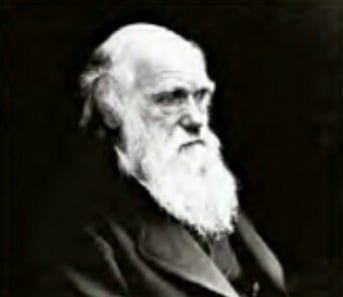
CHARLES DARWIN KNEW he had opened a tinderbox when he published On the Origin of Species in 1859. He laid out a theory of evolution through natural selection: Individuals that have a biological advantage are more likely to outlive their peers and pass their edge to offspring. A gazelle that is a bit faster than another may outrun the lion and breed fast children the next day. Cuidado, Darwin wrote in his notebook, using the Spanish for “careful.” Taken toits logical conclusion, even humans fell under his theory-an idea Darwin down-played at first because he knew it would be unpopular.
Seizures may occur in any part of the brain; their point of origin often can be mapped. Some occur as a result of lesions in specific domains. Nineteenth-century doctor John Hughlings Jackson, an aloof but meticulous researcher, posited that lesions would produce two effects. He based this belief on the idea that most of the neurotransmitters in the brain at any given moment inhibit action. A minority of neurons at anyone time release neurotransmitters that bind to receptors. Others do nothing. Thus, Jackson said lesions would produce negative reactions because of the destruction of brain tissue. However, they also would have the opposite reaction of freeing other, healthy areas of the brain, which previously had been suppressed.
The minus and plus aspects of brain damage appeared to match the observed effects of a brain tumor in a teenage girl named Bhagawhandi in the 1970s. A neuroscientist who observed the girl diagnosed a malignant brain tumor. As the tumor grew to press on her temporal lobe and her brain started to swell, she suffered a series of seizures. They grew more frequent. However, whereas her initial seizures were intense grand mal convulsions, her new manifestations, localized in the temporal lobe, were weaker. She began experiencing dreamy states in which she saw visions of her home in India. Far from being unpleasant, they made her happy-“They take me back home,” she said. She remained peaceful and lucid during her episodes. The seizures killed her in a few weeks, but doctors often noted the rapt expression on her face as she moved deeper into her visions. Only a few diseases of the central nervous system produce pleasure. Anything that pushes the brain out of homeostasis is more likely to bring pain and discomfort to the body.
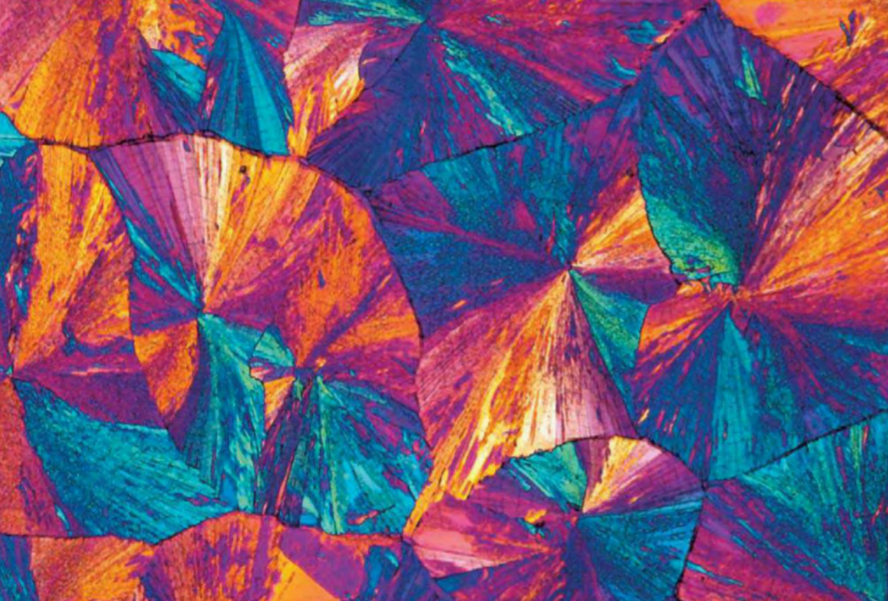
The beauty of L-dopa lay in aseemingly simple but startling idea for treatment: If the neurons’ ability to make dopamine had dramatically decreased, why not merely supplement the supply of the drug in the brain? Not only did L-dopa help the encephalitis lethargica patients, it also became a popular treatment for a far more common disease, Parkinson’s disease, marked by muscle rigidity and loss of motor control.
Despite its ability to ease suffering, though, L-dopa is no “magiC bullet,” no magic cure. Sacks’s patients began relapsing into their former patterns of tics and frenzies. Parkinson’s sufferers also found that over time, L-dopa lost some of its power to help them. Still, the tangible results of L-dopa treatments have encouraged neuroscientists to seek the right combination of medications to restore balance to brain chemistry for a variety of illnesses.
Abnormal electrical activity in the brain produces seizures, which have a broad range of manifestations. Some are so minor that they may occur unnoticed, while others can cause violent spasms and convulsions. Victims may even lose consciousness. They can be a one time event or occur frequently.
A number of things can cause seizures: Serious conditions like strokes, brain tumors, and severe head injuries can generate them, as well as other seemingly harmless things like bright, rapidly flashing lights and low blood sugar.
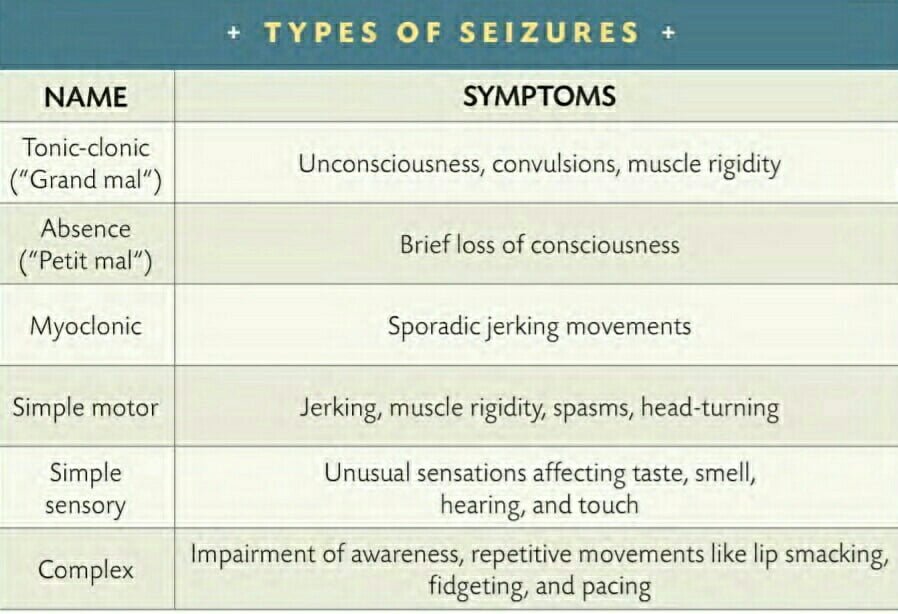
There are two general types of seizures: generalized and partial. Generalized seIZures involve both sides of the brain from the beginning of an episode while partial seizures begin in specific regions of the brain and may spread to the entire brain. Generalized seizures have several subtypes, from tonicclonic seizures (formerly known as grand mal) to absence seizures (also known as petit mal).

FIRST THEY felt hyperactive and frenzied. Then their body motions became more violent, and they would twitch and convulse. Finally, they fell into a deep trance. And there they remained, these sufferers of the disease encephalitis lethargica, until neuroscientist Oliver Sacks found them in the 1960s-40 years later. As depicted in the movie Awakenings (1990), Sacks gave them L-dopa, which the brain transforms into dopamine. The dopamine levels in the postencephalitic patients had been greatly diminished by their disease. The patients woke up from their stupor, and health seemed to be restored to them.
THANKS TO THE autonomic nervous system, the human body pretty much takes care of itself without conscious effort. The weather changes but core temperature is maintained, food gets digested, cycles of sleeping and waking follow upon one another, and the body’s status remains fairly even from one day to the next. It’s a system in a delicate balance, self-regulating in an attempt to keep the entire body stable and healthy.

ABOUT ONE in a hundred Americans older than age 65 suffer from Parkinson’s disease, a neurological condition that mysteriously kills off cells in the brain. They include preacher Billy Graham and former Attorney General Janet Reno. Younger people, like actor Michael J. Fox, can also be stricken with the disease. Symptoms of the disease first appear with the onset of small tremors during voluntary movements. Over time, it becomes harder to initiate motion. Finally, muscles grow rigid, and even making the simplest movements takes extended time and effort. The condition is caused when cells in a region of the brain beneath the cortex that produces and stores the neurotransmitter dopamine die. This region, including the basal ganglia and an area called the substantia nigra (because it appears black in autopsies ), plays a key role in coordinating movement.
American physiologist Walter Cannon came up with the word homeostasis to refer to the body’s ability to stay relatively stable while internal and external environments are changing. While homeostasis literally means “unchanging,” the body does indeed change when sensory receptors detect changes in the environment and automatically react, causing the release of appropriate neurotransmitters and hormones to help the body adapt to the world around it. The body then reacts to the changes, those alterations get fed back into the nervous system, and the process repeats itself.
This is known as dynamic equilibrium. It occurs when change after change keeps the body healthy. And it’s complicated. Think of the body’s constant need to adjust heartbeat and respiration, regulate temperature, as well as maintain the smooth functioning of neurons throughout it. Think of how distracting it might be if the brain didn’t adjust to our environment on a regular basis; hearts would beat rapidly long after a moment of fear had passed; the body wouldn’t adjust to changes in temperatute. The unconscious efforts of the brain go by virtually undetected as the body goes about its business.
Pleasure also has its centers In the brain. A Tulane University neurologist stumbled across one such center in the 1950s when he tried to electrically stimulate the brains of schizophrenics to break them out of their passivity. His patients told him their implanted electrodes created pleasant sensations. The neurologist, Robert G. Heath, seized upon the results, focused his attention on the brain’s pleasure centers, and published the 1964 book The Role of Pleasure in Behavior.
Together with the discovery of pain centers in the brain, research on the physical causes of the sense of pleasure seemed to prove the ancient wisdom that humans seek to act in ways that bring them pleasure and reduce or avoid pain. New paths of investigation have led to innovative treatments for addiction, which is a form of behavior based on compulsive forms of pleasure seeking. PET scans reveal how drugs such as cocaine and heroin activate the brain’s pleasure centers. Cocaine, for example, blocks a neuron’s reuptake mechanism, which causes dopamine to linger in the synaptic cleft.
Joy, happiness, pleasure-what-ever you want to call the positive feelings that bring rewarding sensations and make life worth living-arise from the sensations of security, warmth, and social well-being combined with an awareness of the rightness of such feelings. A healthy brain recognizes the conditions that give rise to pleasure and responds to them appropriately. An unhealthy brain, or one that has learned negative behaviors such as addiction, can miss out on experiencing life’s joys. Both are primarily a matter of chemistry.
![GOOD FEELINGS / PLEASURE CENTERS [ THE NERVOUS SYSTEM ]](https://humanityuapd.com/wp-content/uploads/2022/10/Screenshot_2022-10-31-15-30-10-044_com.google.android.apps_.docs4_.png)
The sensation of pleasure registers in several brain regions, including significant centers in the hypothalamus and nucleus accumbens , which lies below a portion of the basal ganglia linked to movement. All such pleasure centers rely on the chemical work performed by endorphins and neurotransmitters, particularly dopamine, to create and sustain a happy mood. Experiments with rats have demonstrated the key role of dopamine. In the 1950s, scientists wired rats’ brains so that when they pressed a bar, they received a mild electric shock to the hypothalamus. This stimulation registered as pleasure; the rats would rather press the bar than eat. However, in later experiments, rats wired for self-stimulation first received injections of drugs that block the receptors where dopamine normally binds, denying its pleasure-giving action. The rats no longer felt a pleasant reward from pressing a lever to stimulate their brain, and they stopped doing so. When humans take a similar dopamine-lowering medication, often in order to ward off hallucinations and other psychotic behavior, the drug’s success comes at a price. Delusions may leave, but so do joy and motivation. Conversely, drugs like amphetamines that increase the activity of dopamine in the brain lower the threshold for the perception of pleasure. Too much of a drug-induced pleasant sensation, however, can lead to addiction and manic moods.
When the skin warms, the sympathetic division of the autonomic nervous system dilates blood vessels near the surface and activates the sweat glands. When body temperature cools, the autonomic nervous system narrows surface vessels to send blood to deeper, more vital organs.
“The greatest pleasure of life is love,” said the Greek playwright Euripides nearly 2,500 years ago. Like other forms of pleasure, love is processed by brain chemistry, specifically by heightened levels of neurotransmitters in the pleasure centers. MRI scans of the brain relate the feeling of lust to estrogen and androgens; attraction-more emotional than physical-appears to be associated with serotonin and dopamine. The brain chemistry that supports long-term relationships such as lifelong commitment has been harder to pin down.
Playing key roles in the sensation of pleasure are oxytocin, endorphins, and phenylethylamine , or PEA, sometimes called the love drug. These chemicals help foster the “high” felt in the first stages of love, as well as the euphoria some-times reported by long-distance runners. Even a small pleasure, such as finding your lost car keys, begins with a tiny rise of these and similar neurotransmitters in the brain’s pleasure centers.
Pain signals take rwo tracks on their way to the brain. The express line, like a nonstop train between cities, sends signals through the spinal cord and connects directly to the thalamus. While some pain signals are diverted along the way, those that reach the thalamus are relayed to the cerebral cortex, where they quickly get analyzed.
When you cut your finger while slicing an onion, the quick pathway of pain activates the cortex to figure out how much pain you feel and where you feel it. The brain’s quick recognition of the danger may stop you from bringing down the knife blade again and slicing your finger a second time.
The other, slower pathway travels through slow, narrow nerve fibers with frequent synaptic connections, lumbering like a commuter train that stops at every little burg. These sensations register in the brain stem and hypothalamus, as well as in other deep brain regions, before a portion of them reach the thalamus. Effects include longer-lasting aches as well as emotional reactions to pain, such as the sheepishness of realizing you injured yourself through either clumsiness or negligence (or both). These slow-action pains include the unremitting discomfort of chronic diseases such as cancer.
But not all pain sensations terminate in the thalamus. Many halt at a portion of the brain stem known as the mesencephalic central gray matter. It’s a tiny spot that is difficult to locate. But as a conver gence zone for pain impulses, this area is highly sensitive. When lab animals have their mesencephalic gray matter stimulated by electricity, they can be operated on without painkillers. Yet they maintain their sensitivity to touch, heat, and other sensations in the pain- affected body parts.
![PATHWAYS / GRAY MATTER [ MESSENGERS ( THE NERVOUS SYSTEM ) ]](https://humanityuapd.com/wp-content/uploads/2022/10/Screenshot_2022-10-29-15-14-24-029_com.google.android.apps_.docs_.jpg)
CAPTAIN AHAB asked his ship’s carpenter for a special bit of work in the novel Moby-Dick. Ahab, who had lost a leg to the teeth of a white whale, hoped a replacement limb might expunge the feeling of “another leg in the same identical place with … my lost leg.” “Phantom” limbs, such as Ahab’s lost leg, have been reported since ancient times. American neurologist Silas Weir Mitchell cataloged many varieties in the Civil War. About 70 percent of phantom limbs proved excrUCiatingly and chronically painful. How could a missing leg create the illusion of existence, or even pain? The answer lies in the brain.
The nervous system does have natural responses that can ease minor pains, like the sting of a scrape or ache of a bump. When you were a child and trying to learn to roller-skate, perhaps you once fell and skinned your knee. To stop your tears, Mama may have given you a kiss, rubbed the area around the injured flesh, cleaned up the wound, and given you a bandage to show off to your friends. Miraculously, you felt better.
Turns out it was no miracle. Mama really did know best According to research published in the 1960s about the so-called gate control theory of pain, stimulation of the injured skin through rubbing temporarily overwhelms the brain. These tactile sensations send a second set of sensations along the bundles of nerve fibers whose neighbors are already sending pain signals to the brain. As the brain doesn’t have the ability to entirely focus on multiple tactile sensations at once, the second set of sensations (the mother’s touch) lowers the perceived intensity of the first set (the skinned knee). The gateway to pain closes a bit. Researchers call this competitive inhibition.
![PAIN GATEWAY [ MESSENGERS ( THE NERVOUS SYSTEM ) ]](https://humanityuapd.com/wp-content/uploads/2022/10/png_20221027_182415_0000-1024x1024.png)
Rubbing also results in the release of natural painkillers that act like opiates. They interact with receptors in the synapses of the amygdala and hypothalamus. Those collections of neurons, in turn, send signals via the medulla and spinal cord to offset the afferent pain signals from the nociceptors. The result: a decrease in the transmission of pain sensations. That’s great for a skinned knee. But what if the pain is more acute, or even life-threatening?
When you’re startled, the two branches work together, regulating the body without any conscious thought needing to be involved. Thanks to these automatic responses, the brain’s cortex is allowed to remain free to do other things-process sensory information, register emotion, pursue rational thoughts, and initiate voluntary movements. This can happen because the parasympathetic nervous system briefly lowers the heart rate, breathing, and other functions. That gives the cortex time to do its job, assessing any possible threats from the external world. Within a flash, the sympathetic nervous system sends signals to release neurotransmitters that put the body on full alert to prepare for the next step.
Meanwhile, the cortex uses the data it has collected to make a decision on an appropriate response to the startling stimulus. If the cortex perceives a real threat-a tiger on the loose from the zoo, for example-the brain automatically sends signals straight to the hypothalamus. The hypothalamus then releases a stress hormone known as CRF. It increases anxiety, puts the senses on extreme alert, and orders the release of the stress hormones cortisol and epinephrine (adrenaline) from the adrenal glands.
![THE NERVOUS SYSTEM [ HARMONY ]](https://humanityuapd.com/wp-content/uploads/2022/10/Screenshot_2022-10-23-20-28-12-530_com.google.android.apps_.docs_.jpg)
Next, the hypothalamus also signals to the pituitary gland to release hormones into the bloodstream that energize all of the body’s organs. Thanks to all this interaction and coordination, a person is now primed to run from the tiger, climb a tree, or fight back if necessary.
The tiny hypothalamus, less than one percent of the brain, is rich in neural connections and receptors for hormones, and it strongly influences the pituitary gland. Damage to the hypothalamus weakens the immune system and its response to viruses and germs. Conversely, electrical stimulation boosts immunity.
Much of what the brain does takes place beyond our ability to sense it-or appreciate it. In the midbrain’s pons and medulla lie the centers that regulate the vital, everyday functions of life. Think about it: How fortunate you are that you don’t have to concentrate in order to breathe, or make your heart pump blood.
The first rule of the living brain is to go on living. Thus, these crucial areas of the midbrain, called the autonomiC (“involuntary”) nervous system, are not easily overruled by the higher functions of the cortex. While it’s possible to hold your breath while underwater or throwing a tantrum, the midbrain will eventually overrule the efforts of the cortex and force the lungs to inhale. However, some drugs, such as tranquilizers and stimulants, can affect the autonomic nervous system, altering things like the heart rate and blood pressure for good or ill.
![THE AUTONOMIC NERVOUS SYSTEM / TWO BRANCHES [ HARMONY ]](https://humanityuapd.com/wp-content/uploads/2022/10/Screenshot_2022-10-22-16-53-42-536_com.google.android.apps_.docs_-472x1024.jpg)
Like day and night, the autonomic nervous system has two equally important halves. They are reciprocal and complementary. The day- light side of wakefulness and work is called the sympathetic branch. It works when the body’s sense of self-preservation, developed over eons of evolution, calls for energy. In extreme cases, the sympathetic branch triggers the so-called fight or flight response. When a threat looms, the body prepares to meet it or quickly escape from it. Blood pressure and heartbeat skyrocket, breathing speeds up, and in a multitude of other ways the midbrain signals to the body to prepare itself for action.
The parasympathetic branch is the calmer, quieter side of the nervous system. It’s responsible for the so-called relaxation response. The midbrain signals to the body to lower breathing rate, heartbeat, and blood pressure. As a result, the brain promotes and recognizes a feeling of well-being.
Modern pharmacology can bring about a similar result, but much of the self-help books of the past few decades have focused on meditation and other forms of stress management to stimulate the parasympathetic branch while soothing the sympathetic.
Seven-tenths of the volume of the human nervous system lies in the cerebral cortex. Given that the human cortex is many times larger than that of any other creature, scientists are convinced its huge size is the main source of what sets humans apart from the animals. Creativity, emotion, perception, language, imagination-all have strong connections to the workings of the cortex.
Beginning in the late 19th century, researchers began cataloging variations in the thickness and structure of the cerebral cortex. Korbinian Brodmann, a German neuroscientist, created a numbered map of the cortex in 1906, based on the organizational architecture of the cells that he observed after staining them. He numbered 52 sites in the brain, now called Brodmann areas. While the significance of these areas has been widely debated, further investigation has linked some of the sites to particular functions of the brain. PET scans and functional MRI scans have linked specific motor and sensory functions to specific cortical areas called domains. Brodmann areas 1, 2, and 3, for example, reside right behind the central sulcus and are closely linked to the primary somatosensory cortex, while Brodmann areas 41, 42, and 43 are associated with hearing.
The map is not a precise atlas with domains neatly separated by boundary lines, the way countries are separated by political divisions inked on paper. Many functions such as language and memory overlap domains and may in fact be scattered throughout much of the brain.
IS IT POSSIBLE to have handwriting like a serial killer’s? Does a physician’s scrawl indicate a love for humanity? Much like the phrenologists who thought a bumpy skull could reveal insights into the human psyche, so do today’s graphologists, or handwriting experts, believe that penmanship can tell us a great deal about who we are. Handwriting analysts have succeeded more than phrenologists in selling their pseudoscience. Witness the TV ads in 2008 that analyzed car buyers’ signatures. Proponents claim that because the brain controls psychological traits and muscles that produce handwriting, they must be linked. No causal link has been found. Graphologists lack scientific rigor, often analyzing the writing of people with known traits-kind of like shooting an arrow at a barn, then drawing a bull’s-eye around it.
Nor is the map an indicator of destiny, as other scientists would find. In the early 19th century, Franz Joseph Gall made his own maps of the brain and skull, but they proved faulty. He examined the bumps on the head and drew erroneous conclusions about the functions of the underlying portions of the brain. Physical variations in the size and shape of the head have nothing to do with the workings of the brain power beneath. Damage to a particular Brodmann area, however, may manifest itself in predictable ways, such as language deficiencies resulting from lesions in areas 44 and 45.
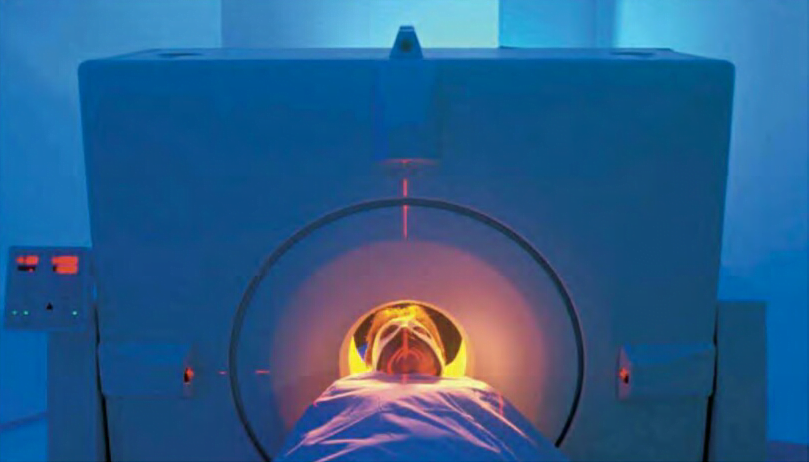
MAGNETOENCEPHALOGRAPHY ( MEG ) also relies on magnetism to examine the brain. In this case, it’s the body’s ambient magnetic fields, not those generated by an external machine, that form the basis of brain imaging. These magnetic fields are extremely weak-perhaps only a billionth of the power that causes a compass needle to point toward the north magnetic pole. Yet, when read by sensors placed on the skull, MEG scans reveal the electrical currents created by neural discharges. The resolution is as fine as a thousandth of a second and as small as a cubic centimeter. The MEG scan and EEG are the only observational techniques capable of anything approaching real-time revelations. When a patient thinks a specific thought, it shows up, in progress, on an MEG.
Mental functions also can be localized with a technique called positron-emission tomography, or PET. A radioactive isotope is injected into a patient. Because all radioactive atoms decay into stable atoms at a known rate, the decay of the isotope, which is usually paired with glucose, is recorded and turned into images with computer programs. Like MRI and CT scans, PET scans let observers localize activity inside the brain.
The array of brain-imaging techniques serves like the variety of hammers, saws, and other tools in a mechanic’s toolbox. A scientist observing the brain chooses the right tool based on what kind of information is needed. A CT or MRl scan would be the choice if a doctor suspects the growth of a tumor or physical damage to part of the cerebrum. A PET scan might be the appropriate choice for investigation of deficiencies associated with language or reason. And lack of oxygen use in stroke- damaged sections of a brain would call for a functional MRI.
True to the rational and observational methods of Descartes and Willis, science has made great strides in describing how the brain’s parts, both large and small, function. But understanding any organ that is “wider than the sky” is not as easy as toting up small pieces of information. The brain is an integrated unit, with its complexity arising from the synergy created by the simultaneous functioning of its billions of neurons and trillions of synapses in nonlinear ways. Science has learned much about movement, sensations, emotions, and the sense of self. Yet much is yet to be gleaned about the most complicated object in the universe. There will always be more to learn about the brain.
PERHAPS NO scientific book of the past half century stirred up as much controversy as The Bell Curve: Intelligence and Class Structure in American Life. The 1994 book, by Richard ]. Herrnstein and Charles Murray, begins simply: “That the word intelligence describes something real and that it varies from person to person IS as Universal and ancient as any understanding about the state of being human.” From there, the authors delve into definitions of intelligence and how it can serve as a good predictor for success in life.
Then they argue that different levels of intelligence lead to social outcomes, instead of the other way around a person oflow intelligence is more likely to end up a criminal or unemployed, for instance and that intelligence levels have an observable correlation to biology.
Following the track linking genetics to intelligence, the authors make claims linking racial differences to intelligence, and thus the positive and negative social outcomes that define modern life. If a group of people can’t change their biology, goes this hypothesis, they cannot change their social outcomes.
Does the brain’s biology determine intelligence, and thus lock humans in to paths toward success or failure? It’s a potent question.
Part of the problem lies in the definition of intelligence. Neuroscientists don’t agree on what the word means. Nor do they agree on what intelligence tests are actually measuring. Tests don’t measure motivation, persistence, social skills, and a host of other attributes of a life that’s well lived. Some say, only half facetiously, that IQ tests measure only one’s ability to perform well on IQ tests.

Neurologist Richard Restak likes to deliberately cloud the issue during his lectures by showing students images of two PET scans. Each reveals the level of brain activity of a student doing a problem in a Raven’s Colored Progressive Matrices test, which aims to measure “fluid intelligence,” or the ability to solve an unfamiliar kind of problem. In one scan, the image is illuminated in red , and orange, representing an increase in brain activity. In the other, the cool shades of blue and green represent a less intense level of brain function. When Restak asks the students to guess which of the two students scored higher on the Raven’s test, and thus (one assumes) possesses superior intelligence, the students invariably pick the brain lighted up like a Christmas tree. Instead, the student with the less active PET scan posted a higher Raven’s score. The explanation: The brain that finds a problem easy to solve doesn’t have to work as hard.
There are several aspects of intelligence. Most are related, but historically not all have tested what they set out to test. For example, some early IQ tests measured knowledge of facts, which actually is a function of education and memory rather than the ability to reason. In general, however, a person’s performance on a test of fluid intelligence is a good predictor of performance on a wide range of mental exercises. For example, increased fluid intelligence correlates to a high level of “working memory”-one’s ability to remember information temporarily which can range from remembering where you parked your car to which words or number combinations you tried and rejected in doing a crossword puzzle or Sudoku. People with powerful working memories are more focused in solving problems.
Scientists use the term “g-factor” when discussing the general measure of mental ability, found in vocabulary size, mechanical reasoning, and arithmetical computations. They relate it to the properties of efficient neural functioning, rather than the value of knowledge in its own right. The prefrontal cortex, right behind the forehead, is the most likely home for much of the neural processes associated with one’s g-factor abilities. When it’s damaged, a person suffers a variety of impairments to abstract reasoning, and it lights up during brain scans taken during a variety of intelligence tests.
“You have less frontal development than I should have expected,” says the evil Professor James Moriarty when he first lays eyes on Sherlock Holmes in a story by Arthur Conan Doyle. As scientists have discovered, the size of the prefrontal cortex in healthy brains generally correlates to fluid intelligence. (Perhaps Moriarty subscribed to the theory of phrenology and believed cortex size correlated to the bulging of a forehead. It’s not so.)
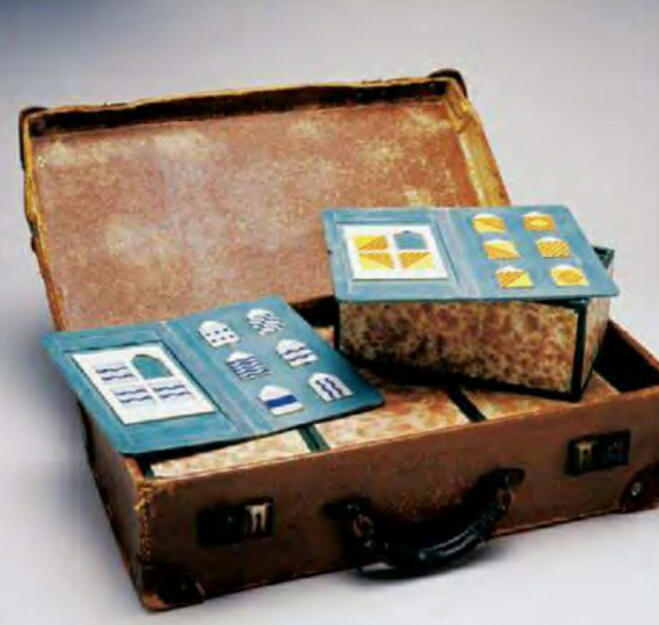
But the size of a cortex doesn’t mean, QED, that biology causes intelligence the same way gravity causes an apple to fall. Identical twins vary in their performance on IQ tests. In some cases, one twin develops schizophrenia or some other disorder, and the other does not. Furthermore, when identical twins are separated at birth and raised separately in similar environments, they show only a 72 percent correlation in intelligence.
At best, genetics accounts for only a substantial fraction of intelligence. Perhaps heredity sets an upper limit for intelligence (through the potential ability to make neuronal connections), which then becomes subject to other forces. An environment with plenty of books and challenging toys plays a key role in increasing aspects of a child’s intelligence but so does willingness to exercise the brain. Political scientist James R. Flynn noted that IQ scores have dramatically increased over the past several decades in many countries. He attributes the so-called Flynn effect to increases in modern humans’ greater ability to solve abstract problems, possibly from living in a more intellectually stimulating world.
The brain’s ability to rewire neuronal networks no matter how old the nerve cells provides the means to improve mental function. Instead of looking at family or ancestral heritage and deciding it determines mental performance, humans can set about learning new skills and tasks. Challenging the brain may not raise the score on a particular IQ test, but it will help the brain to perform better.
Scientists have long Dreamed of Exammmg how the brain works within a living body. The problem, though, was figuring out how to get inside the head without causing injury or even death. Doctors treating wounds from wars and accidents have been able to get glimpses of living brain tissue, but aside from poking or prodding, have had little to do with experimental observation.
Some early noninvasive attempts included phrenology, the pseudoscience developed in the early 19th century that measured the bumps on the outside of the skull as a means of analyzing the mental powers and characteristics. They stemmed from the theories of a German doctor, Franz Joseph Gall, who argued in the late 18th century that the separate faculties of the brain must manifest themselves in the shape of the overlying bone. Phrenology’s popularity peaked between the 1820s and the 1840s but soon waned as the century progressed.
Overall, at least half of all cases of dementia-formerly known as senility can be traced to Alzheimer’s disease.
Toward the end of the 19th century, a new method of probing the hidden workings of the brain arose, again in central Europe. Wilhelm Wundt, known as the founder of experimental psychology, created a laboratory in the mid-1870s in Leipzig to perform research into psychology. The word derives from the Greek psyche, meaning “mind” or “soul.” Wundt considered his research a way to get at the workings of the mind, which many still considered to be separate from the tissue of the brain.
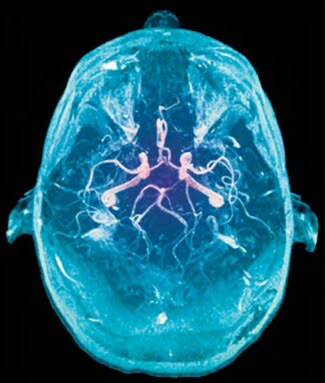
In particular, Wundt aimed to examine the elements that made up consciousness and explain how they worked together to create the mind. Wundt concentrated on stimulus-response experiments, as he considered sensation the contact point between the external, physical world and the inner, psychological world. He recorded when and how sensations entered consciousness, including such mundane facts as whether one musical tone sounded higher or lower than another one did.
A contemporary of Wundt’s, the American William James, also took up psychology as a tool to probe the mind. India his famous 1890 textbook The Principles of Psychology, James described processes including the sense of self, memory, movement, and sensation.
Your brain uses about 12 watts of ” power-a fraction of the energy of a household lightbulb.
Assessing the brain’s performance through intelligence testing was another way science attempted to access the living brain. In the 1900s, French psychologist Alfred Binet created the first IQ test as a way to measure intelligence. That test, designed to see which French schoolchildren needed special assistance, became the genesis of all IQ tests that followed.
Meanwhile, in Austria, Sigmund Freud (1856-1939), the founder of the psychoanalytic school of psychology, turned his interest in neurology into the study of the workings of the brain and the ways in which they affect behavior. He predicted, correctly, that someday the study of the physical workings of the brain would dovetail with his observations about unconscious drives.
A portion of the frontal lobe of each hemisphere called the precentral gyrus controls the body’s movements. Oddly, each hemisphere moves the opposite side of the body, as if the brain’s wiring some-how became crossed. Hence, the movements of the right hand and right foot, as well as the rightward gaze of both eyes, are governed by the left side of the brain. This phenomenon has been observed for centuries. Hippocrates noted that a sword injury to one side of the head impaired movement on the body’s opposite side. And while observing combat wounds during the Prusso-Danish War of 1864, German doctor Gustav Theodor Fritsch noted that if he touched the cerebral cortex as he dressed a head wound, the patient twitched on the opposite side of his body. If one hemisphere’s precentral gyrus is destroyed-during a stroke, for instance-paralysis will result in half the body.
![ANATOMY [ DIFFERENT PARTS DIFFERENT RESPONSIBILITIES ( THE AMAZING BRAIN ) ]](https://humanityuapd.com/wp-content/uploads/2022/10/human-brain-vector-concept-vector-id10569719223.jpg)
In front of the precentral gyrus lie the premotor cortex and the prefrontal fibers. The former organizes the body’s complex physical movements, whereas the latter inhibit actions. Inhibition is useful in a variety of social settings, such as preventing shouting in a quiet movie theater.
THE BRAIN NEEDS regular exercise if its neurons area to remain sharp. Repetition of newly learned tasks helps make those new connections stronger. Without stimulation, dendrites recede and the brain settles into simpler patterns of operation. Neurologist Robert Friedland has shown that posing new challenges to the brain can help in the defense against Alzheimer’s disease.
Perhaps not surprisingly, “Use it or lose it” appears TO be true not on Iy of mental exercise but also of physical stimulation of the brain. The brain is like other organs and works better when the body is healthy. Exercising the body regularly appears to help ward off Alzheimer’s disease, as do reducing body weight, lowering blood pressure, and eating a more healthful diet. General exercise that builds up cardiovascular endurance improves blood flow to the brain. A healthy heart usually is linked to a healthy brain, especially in the brain’s “executive function, ” which is crucial to a slew of mental tasks.
A combination of physical exercise and mental gymnastics protects the brain against deterioration with age. To spur on the brain to make new neuronal connections and protect the ones it has, there are a number of activities to try, such as:
~ Learning a new language .
~ Listening to classical music.
~ Solving mental puzzles and games, like crossword puzzles and Sudoku .
~ Eating a healthful diet.
~ Walking, jogging, or cycling regularly to promote cardiovascular health .
~ Maintaining a healthy weight.
In the parietal lobe lies the somatosensory cortex, which takes in stimulations of touch and other sensations. While lower parts of the brain register pain and pressure, the sensory cortex helps localize such feelings. Damage to the sensory cortex may result in confusion about which part of the body may be registering pain.
The temporal lobe is home to the functions of hearing and appreciation of music and to some aspects of memory. Self-experience also resides in this lobe. Electrical stimulation of the temporal lobe may dredge up intense feelings from the memory-the experience of reliving the past, known as deja vu-or do just the opposite, causing familiar people and objects to become unrecognizable.
At its base, the temporal lobe connects with the limbic system, a series of brain structures also known as the animal brain. This system allows humans to experience intense emotions such as anger and fear as well as react to these feelings.
Behind the temporal lobe, near the rear of the head, lies the brain’s visual center in the occipital lobe. Far from the eyeballs, which takes in visual information, this portion of the cerebral cortex processes electrical impulses that begin with light waves striking the retina. Wounds to the back of the head injuring the visual cortex can sometImes cause blindness.

PLANTIGO Kids Vegan Plant Protein Powder, 7G (Pea Protein, Barley, & Moringa), Growing Kids & Teenagers, Cognition, Energy Boosters, Easy Digest, Dietary Supplement, Milk Chocolate, 300G, 15 Servings
100% WHOLE FOOD ORGANIC INGREDIENTS: PLANTIGO Protein for Energetic Kids is a complete organic natural plant protein composition with energy boosters and plenty of greens. Specifically, 4 organic protein sources, 7 energy and metabolism boosters and 9 critical greens providing essential micro minerals and vitamins. Certified Non-GMO, Gluten Free and Vegan-friendly protein powder that you need for your daily health.
PROMOTES GROWTH & REMOVES ALL NUTRITIONAL DEFICIENCIES: Nutrient-dense formula of 20 ingredients provides with every scoop, 7g of unadulterated simple plant protein made from peas, brown rice, flax seeds and pumpkin seeds and a combination of 9 essential plant greens ideal for keeping the kids active and strong. The super blend helps kids recover faster & constant exposure to gadgets and nudges them to have a more active life.
SMOOTH, CREAMY TEXTURE WITH SUPERIOR TASTE: It will take a few extra shakes to mix properly – and that’s how your shake should be. It will taste a little grainy – so you know everything in it is real. Keep stirring while drinking it for a delicious blender-free protein smoothie for proper absorption.
EASY TO DIGEST: Heat can degenerate proteins and nutrients in the greens, reducing their properties and effectiveness to your body. Plantigo Kids Protein is made at low temperatures, preserving its complete integrity and essential nutrition of greens – with 4 digestive enzymes – for proper absorption, even for those with sensitive stomachs
QUALITY ASSURED: Contains No Soy, No Added Sugar, No artificial flavours and No Trans fats. The only plant protein powder that compares to animal proteins like whey.; Package Content: Pack of 1 Protein Powder. Item Weight: 300 gm
Greenex Nutrition ISO Legend Whey Protein Isolate for Muscle Growth & Fat Loss, Zero Carbs & Zero Fat Isolate Protein Supplement, Kosher USA Certified (Dream Chocolate, 4.4 Lbs (2Kg))





Hey, we use Wise to send money abroad. Really easy and a lot cheaper than the bank! Give it a try with a fee-free transfer of up to 25,000 INR.

Body First Ultimate Recovery – INFORMED SPORTS – HMB, Arginine & Glutamine Supplement for Muscle Recovery, Strength, Endurance & Performance, Builds Muscle Mass & Prevents Breakdown of Muscle Protein, Lychee, 325gm
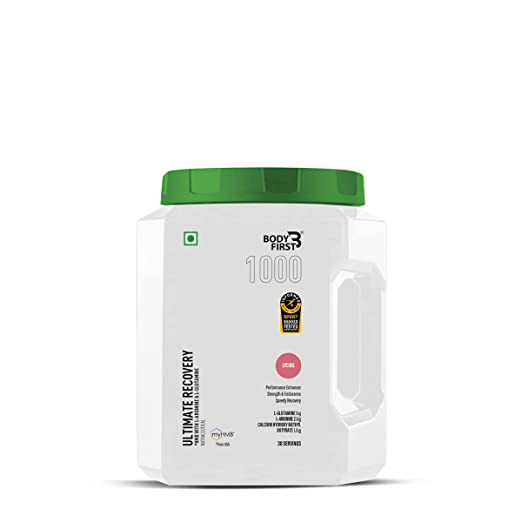
Combination of HMB (Calcium Hydroxy Methyl Butyrate) with L-Arginine & L-Glutamine
Informed Sports Certified – First time across the globe with this unique combination
Ingredient (myHMB) sourced from USA
Proven Clinical Efficiency for Muscle Recovery

HMB is produced naturally in our bodies during the metabolism of the essential amino acid leucine. However, it’s difficult to consume enough protein with a healthy diet alone to achieve the effective amount of HMB. Hence supplementation of HMB is a must as it stimulates muscle protein synthesis, reduces protein breakdown and improves recovery and endurance.
Athletes, aging adults, dieters, active individuals and people recovering from illness or injury have used HMB for decades as a highly effective supplement for improving muscle health and recovery.
The science behind BodyFirst Ultimate Recovery supports improved recovery between workouts, allowing you to train harder and get back in the gym sooner, with less soreness. This allows you to train more, make gains faster, and dominate the competition! HMB supplementation supports improved strength and lean muscle gain, helping you to improve performance in the gym, on the field, in the ring, or on the court.
 |  |  |  |
|---|---|---|---|
| Strength & EnduranceHMB with L-Arginine and L-Glutamine replenishes the energy levels that enhances body’s capacity to perform high-intensity workouts, lift heavy weights, and also supports resistance training. | Speeds Recovery & PerformanceHMB protects against muscle damage and soreness and helps in faster recovery. HMB is also an excellent performance enhancer that helps the body to use oxygen more efficiently and thereby improves performance. | Reduces Muscle BreakdownHMB acts as a gateway to help keep your muscles in balance by slowing muscle breakdown. | Stimulates Muscle Protein SynthesisRegular consumption of HMB slows down protein breakdown and improves protein synthesis to gain lean muscle mass for overall better response to training. |
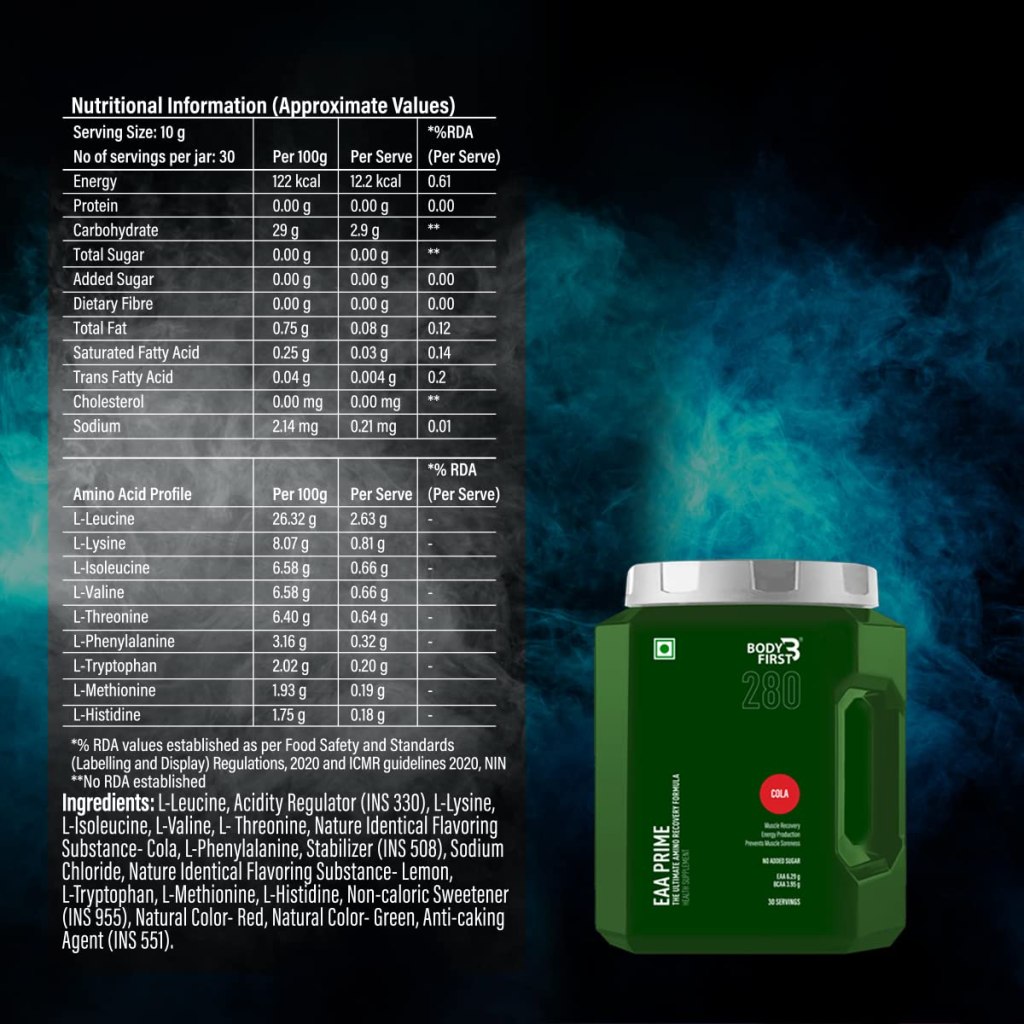
Body First Essential Amino Acids Prime – The Ultimate Amino Recovery Formula containing 6.29g EAA with 3.95g BCAA for Muscle Building, Recovery, Strength, Energy & Endurance, Cola Flavour, 30 Servings




You must be logged in to post a comment.