Tag Archives: blood

Website Auctions ( Website Sale Or Buy ) – Types, Benefits and Process

The Exciting World of Website Auctions

Website Auctions ( Website Sale Or Buy ) - Types, Benefits and Process

Website auctions have become an increasingly popular method for buying and selling online properties. As the digital landscape continues to expand, the demand for established websites and domain names has soared, leading to a thriving marketplace where entrepreneurs and investors can explore lucrative opportunities. In this comprehensive guide, we will delve into the captivating realm of website auctions, exploring the intricacies of this dynamic industry and providing invaluable insights for both buyers and sellers.

Understanding Website Auctions

What Are Website Auctions?

Website auctions are platforms or events where individuals can bid on and acquire websites, domain names, and online businesses. These auctions can take place through dedicated online marketplaces, auction houses, or specialized platforms that cater to the digital asset trade.

Types of Website Auctions

  1. Domain Auctions: These auctions primarily focus on the sale of domain names, allowing participants to acquire memorable and brandable web addresses for their online ventures.
  2. Website Property Auctions: In these auctions, fully developed websites or online businesses are put up for sale, presenting buyers with the opportunity to invest in established online assets.
  3. Marketplace Auctions: Online marketplaces such as Flippa and Empire Flippers host regular auctions where a wide range of digital assets, including websites, domain names, and e-commerce stores, are made available for purchase.

The Benefits of Website Auctions

For Sellers

  • Maximized Returns: Website auctions often attract a pool of motivated buyers, resulting in competitive bidding that can drive up the final sale price.
  • Efficiency: Auctions offer a streamlined and time-bound selling process, allowing sellers to quickly offload their digital assets without prolonged negotiation periods.
  • Targeted Audience: By listing their properties on reputable auction platforms, sellers gain access to a pool of potential buyers actively seeking online investments.

For Buyers

  • Diverse Options: Website auctions present buyers with a diverse array of digital assets, ranging from niche affiliate sites to well-established e-commerce platforms.
  • Transparent Transactions: Participation in reputable website auctions ensures that buyers engage in transparent transactions with clear terms and conditions.
  • Opportunity for Value Acquisition: Buyers can often identify undervalued websites or domain names in auctions, presenting opportunities for profitable acquisitions.

Key Considerations for Website Auction Participants

Sellers

  1. Preparation: Prior to listing a website or domain for auction, sellers should conduct thorough due diligence, ensuring that their offerings are accurately represented and appeal to potential buyers.
  2. Documentation: Complete and organized documentation, including financial records, traffic statistics, and operational details, can significantly enhance the attractiveness of a property in an auction.
  3. Reserve Price: Setting a realistic reserve price is crucial for sellers, as it ensures that their assets are not undersold while also attracting genuine interest from bidders.

Buyers

  1. Research: Prospective buyers must conduct extensive research on the assets available in an auction, considering factors such as niche viability, traffic sources, and revenue streams.
  2. Budgeting: Establishing a clear budget and sticking to it is essential, as the competitive nature of auctions can lead to fervent bidding wars.
  3. Risk Assessment: Assessing the risks associated with a potential acquisition is vital, encompassing considerations such as industry trends, asset maintenance, and revenue sustainability.

Navigating the Auction Process

Bidding and Negotiation

In a website auction, participants engage in competitive bidding to secure their desired assets. This process demands strategic decision-making, as bidders must evaluate the value of the digital property and gauge their competitors’ interest. Additionally, post-auction negotiations may occur, allowing the winning bidder to finalize the transaction and address any outstanding queries.

Legal and Technical Due Diligence

Both sellers and buyers are advised to conduct thorough due diligence before participating in website auctions. From a seller’s perspective, ensuring that all legal documentation and ownership rights are in order is imperative. On the other hand, buyers should scrutinize the technical aspects of the website, such as its design, coding, and SEO practices, to make informed investment decisions.

The Future of Website Auctions

As the digital ecosystem continues to evolve, website auctions are poised to play an increasingly pivotal role in the online business landscape. The democratization of website ownership, the proliferation of e-commerce ventures, and the expanding relevance of digital branding are all factors that contribute to the sustained growth of website auctions. Moreover, as the pool of digital assets continues to expand, auction dynamics are expected to evolve, offering enhanced features and streamlined processes for all participants.

Conclusion

In conclusion, website auctions represent a compelling avenue for individuals and enterprises to engage in the vibrant digital marketplace. Whether you are a seasoned investor seeking new acquisitions or an entrepreneur looking to divest digital assets, website auctions offer an efficient, transparent, and dynamic platform for conducting transactions. By understanding the nuances of this thriving industry and staying informed about market trends, participants can capitalize on the myriad opportunities presented by website auctions, paving the way for profitable digital ventures and strategic online investments.

This comprehensive overview illuminates the captivating world of website auctions, providing valuable insights and strategic guidance for those looking to navigate this exhilarating terrain. With the digital economy flourishing and the demand for online assets reaching unprecedented levels, website auctions stand as a beacon of opportunity, drawing in astute investors and ambitious entrepreneurs alike.
➡️ Bid Now This Business

The Life-Sustaining Elixir: Exploring the Fascinating World of Blood

Blood: The Lifeline of Life

The Life-Sustaining Elixir: Exploring the Fascinating World of Blood

Blood, the crimson fluid flowing through our veins, is a remarkable substance that plays a vital role in our bodies. Beyond its iconic red color, blood serves as a lifeline, delivering oxygen, nutrients, and hormones to every cell while removing waste products. In this blog post, we delve into the fascinating world of blood, exploring its composition, functions, and the crucial role it plays in our overall health.

Composition and Circulation

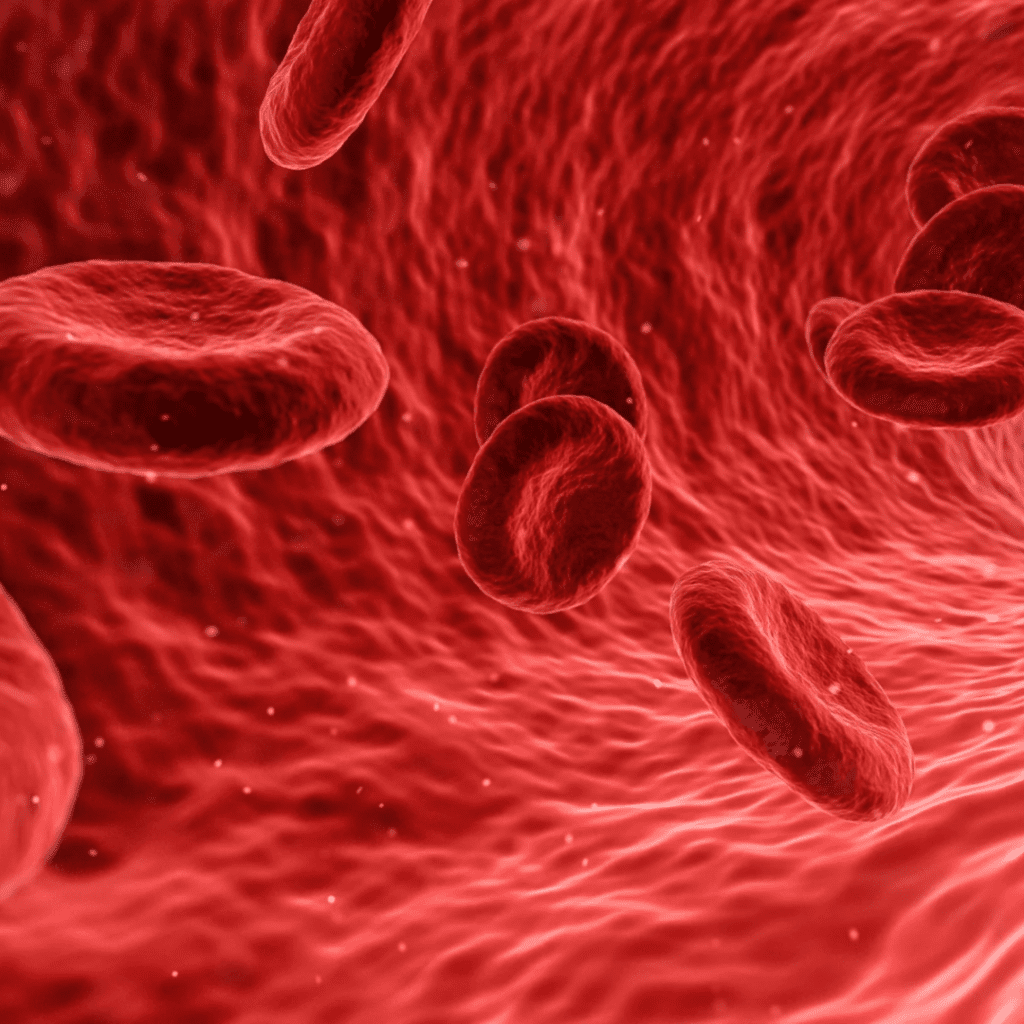
Blood is a complex mixture consisting of red blood cells (erythrocytes), white blood cells (leukocytes), platelets, and plasma. Red blood cells carry oxygen from the lungs to various tissues and organs, while white blood cells play a crucial role in the immune response, defending the body against infections. Platelets aid in clotting to prevent excessive bleeding. Plasma, the fluid component of blood, carries nutrients, hormones, and waste products, maintaining a delicate balance in our body’s internal environment.

The circulatory system ensures the continuous flow of blood throughout our bodies. The heart, a powerful muscular organ, pumps oxygenated blood from the lungs to the rest of the body and receives deoxygenated blood to be reoxygenated. This process ensures that vital organs and tissues receive the necessary oxygen and nutrients for their proper functioning.

Oxygen Transport and Carbon Dioxide Removal

One of blood’s primary functions is the transportation of oxygen and carbon dioxide. Red blood cells contain a protein called hemoglobin that binds to oxygen in the lungs, forming oxyhemoglobin. As blood circulates through the body, oxyhemoglobin releases oxygen, enabling tissues to utilize it for energy production. Simultaneously, carbon dioxide, a waste product, binds to hemoglobin and is carried back to the lungs, where it is exhaled.

Immune Defense and Disease Detection

White blood cells are the guardians of our immune system, defending our bodies against foreign invaders such as bacteria, viruses, and parasites. They detect and eliminate pathogens, preventing infections and disease. Additionally, white blood cells play a vital role in recognizing and removing abnormal cells, including cancer cells, contributing to our overall health and well-being.

Clotting and Wound Healing

When blood vessels are damaged, the body initiates a clotting process to prevent excessive bleeding. Platelets rush to the site of injury and aggregate, forming a clot that seals the wound. This clotting mechanism is crucial for wound healing and preventing blood loss. However, an imbalance in clotting factors can lead to conditions like thrombosis or bleeding disorders, emphasizing the delicate balance required for proper blood coagulation.

Blood Types and Transfusions

Blood types, determined by the presence or absence of certain antigens on red blood cells, are essential in transfusion procedures. The ABO blood group system categorizes blood into types A, B, AB, and O, while the Rh factor determines whether a person is Rh positive or Rh negative. It is vital to match blood types accurately during transfusions to avoid potentially life-threatening reactions. Blood donation remains a critical act of generosity and compassion, providing a lifeline for those in need.

Blood Tests and Diagnostic Tools

Blood tests serve as valuable diagnostic tools for healthcare professionals. By analyzing various components of the blood, such as red and white blood cell counts, hemoglobin levels, cholesterol levels, and markers of organ function, doctors can gain insights into a person’s overall health, detect diseases, and monitor the effectiveness of treatments. Blood tests can help identify conditions like anemia, infections, hormonal imbalances, liver and kidney disorders, and certain types of cancer. Regular blood screenings can provide early detection of potential health issues, enabling prompt intervention and improved outcomes.

Genetic and Inherited Blood Disorders

Blood disorders can arise from genetic mutations that affect the production or functioning of blood cells or components. Conditions such as sickle cell anemia, thalassemia, hemophilia, and various types of leukemia are examples of genetic blood disorders. These conditions require specialized medical care and management, highlighting the importance of genetic testing, early diagnosis, and ongoing support for affected individuals and their families.

Blood Doping and Performance Enhancement

Blood doping, the practice of artificially increasing the number of red blood cells or enhancing their oxygen-carrying capacity, has gained attention in the world of sports. Athletes may resort to blood doping to improve endurance and performance. However, it is considered unethical and banned in most competitive sports due to the potential health risks involved. Blood doping can strain the cardiovascular system, increase the risk of blood clots, and lead to long-term health complications. Fair play and the preservation of athletes’ well-being are paramount, making strict anti-doping measures necessary.

Symbolic and Cultural Significance

Blood has long held symbolic and cultural significance across different societies and religions. It is associated with notions of vitality, life force, and even spiritual or sacred connections. Rituals involving blood, such as blood oaths or blood sacrifices, have been part of various cultural and religious practices throughout history. While these practices might be viewed differently in contemporary times, the symbolism of blood continues to resonate with the human experience, representing the essence of life itself.

Blood Donation: A Lifesaving Act of Kindness

Blood donation is a selfless act that can save lives. Each day, numerous individuals require blood transfusions due to surgeries, accidents, or medical conditions. By donating blood, you become a lifeline for those in need, offering them a chance at survival and recovery. Blood donation drives and blood banks play a crucial role in collecting and distributing this precious resource to healthcare facilities. Consider donating blood regularly, as it is a simple yet impactful way to make a difference in someone’s life.

The Future of Blood Research

The study of blood continues to evolve, leading to advancements in various fields of medicine and research. Scientists are exploring innovative techniques to enhance blood transfusion compatibility, develop artificial blood substitutes, and create advanced diagnostic tools for early disease detection. Additionally, ongoing research on stem cells and regenerative medicine holds promise for treating blood disorders and finding new therapies. The future of blood research is filled with exciting possibilities that can revolutionize healthcare and improve patient outcomes.

Blood, a Reminder of Our Shared Humanity

Despite our diverse backgrounds, cultures, and beliefs, we are all connected by the commonality of our blood. It is a reminder of our shared humanity, transcending borders and boundaries. By recognizing and celebrating this shared essence, we can foster empathy, understanding, and unity among individuals and communities. Blood unites us in the most fundamental way, emphasizing our interconnectedness and the importance of compassion and support for one another.

In conclusion, blood is an extraordinary substance that sustains life, protects us from harm, and connects us as human beings. Its composition, functions, and significance are truly awe-inspiring. From its role in oxygen transport and immune defense to its use in diagnostic testing and medical treatments, blood continues to be an object of fascination and ongoing research. As we gain a deeper understanding and appreciation for the wonders of blood, let us honor its importance by taking care of our own health, supporting those in need through blood donation, and promoting compassion and unity in our shared human experience.

Write Your thoughts 💭

Oh hi there 👋It’s nice to meet you.

Sign up to receive