Tag Archives: Human resources

Website Auctions ( Website Sale Or Buy ) – Types, Benefits and Process

The Exciting World of Website Auctions

Website Auctions ( Website Sale Or Buy ) - Types, Benefits and Process

Website auctions have become an increasingly popular method for buying and selling online properties. As the digital landscape continues to expand, the demand for established websites and domain names has soared, leading to a thriving marketplace where entrepreneurs and investors can explore lucrative opportunities. In this comprehensive guide, we will delve into the captivating realm of website auctions, exploring the intricacies of this dynamic industry and providing invaluable insights for both buyers and sellers.

Understanding Website Auctions

What Are Website Auctions?

Website auctions are platforms or events where individuals can bid on and acquire websites, domain names, and online businesses. These auctions can take place through dedicated online marketplaces, auction houses, or specialized platforms that cater to the digital asset trade.

Types of Website Auctions

  1. Domain Auctions: These auctions primarily focus on the sale of domain names, allowing participants to acquire memorable and brandable web addresses for their online ventures.
  2. Website Property Auctions: In these auctions, fully developed websites or online businesses are put up for sale, presenting buyers with the opportunity to invest in established online assets.
  3. Marketplace Auctions: Online marketplaces such as Flippa and Empire Flippers host regular auctions where a wide range of digital assets, including websites, domain names, and e-commerce stores, are made available for purchase.

The Benefits of Website Auctions

For Sellers

  • Maximized Returns: Website auctions often attract a pool of motivated buyers, resulting in competitive bidding that can drive up the final sale price.
  • Efficiency: Auctions offer a streamlined and time-bound selling process, allowing sellers to quickly offload their digital assets without prolonged negotiation periods.
  • Targeted Audience: By listing their properties on reputable auction platforms, sellers gain access to a pool of potential buyers actively seeking online investments.

For Buyers

  • Diverse Options: Website auctions present buyers with a diverse array of digital assets, ranging from niche affiliate sites to well-established e-commerce platforms.
  • Transparent Transactions: Participation in reputable website auctions ensures that buyers engage in transparent transactions with clear terms and conditions.
  • Opportunity for Value Acquisition: Buyers can often identify undervalued websites or domain names in auctions, presenting opportunities for profitable acquisitions.

Key Considerations for Website Auction Participants

Sellers

  1. Preparation: Prior to listing a website or domain for auction, sellers should conduct thorough due diligence, ensuring that their offerings are accurately represented and appeal to potential buyers.
  2. Documentation: Complete and organized documentation, including financial records, traffic statistics, and operational details, can significantly enhance the attractiveness of a property in an auction.
  3. Reserve Price: Setting a realistic reserve price is crucial for sellers, as it ensures that their assets are not undersold while also attracting genuine interest from bidders.

Buyers

  1. Research: Prospective buyers must conduct extensive research on the assets available in an auction, considering factors such as niche viability, traffic sources, and revenue streams.
  2. Budgeting: Establishing a clear budget and sticking to it is essential, as the competitive nature of auctions can lead to fervent bidding wars.
  3. Risk Assessment: Assessing the risks associated with a potential acquisition is vital, encompassing considerations such as industry trends, asset maintenance, and revenue sustainability.

Navigating the Auction Process

Bidding and Negotiation

In a website auction, participants engage in competitive bidding to secure their desired assets. This process demands strategic decision-making, as bidders must evaluate the value of the digital property and gauge their competitors’ interest. Additionally, post-auction negotiations may occur, allowing the winning bidder to finalize the transaction and address any outstanding queries.

Legal and Technical Due Diligence

Both sellers and buyers are advised to conduct thorough due diligence before participating in website auctions. From a seller’s perspective, ensuring that all legal documentation and ownership rights are in order is imperative. On the other hand, buyers should scrutinize the technical aspects of the website, such as its design, coding, and SEO practices, to make informed investment decisions.

The Future of Website Auctions

As the digital ecosystem continues to evolve, website auctions are poised to play an increasingly pivotal role in the online business landscape. The democratization of website ownership, the proliferation of e-commerce ventures, and the expanding relevance of digital branding are all factors that contribute to the sustained growth of website auctions. Moreover, as the pool of digital assets continues to expand, auction dynamics are expected to evolve, offering enhanced features and streamlined processes for all participants.

Conclusion

In conclusion, website auctions represent a compelling avenue for individuals and enterprises to engage in the vibrant digital marketplace. Whether you are a seasoned investor seeking new acquisitions or an entrepreneur looking to divest digital assets, website auctions offer an efficient, transparent, and dynamic platform for conducting transactions. By understanding the nuances of this thriving industry and staying informed about market trends, participants can capitalize on the myriad opportunities presented by website auctions, paving the way for profitable digital ventures and strategic online investments.

This comprehensive overview illuminates the captivating world of website auctions, providing valuable insights and strategic guidance for those looking to navigate this exhilarating terrain. With the digital economy flourishing and the demand for online assets reaching unprecedented levels, website auctions stand as a beacon of opportunity, drawing in astute investors and ambitious entrepreneurs alike.

➡️ Bid Now This Business

A GOOD CATCH [ THE NERVOUS SYSTEM ]

A GOOD CATCH [ THE NERVOUS SYSTEM ]

When the ball hits the glove, mechanoreceptors in the hand register the arrival as pressure. Those in the ear, attuned to the vibrations of sound waves, record the thwack of ball hitting leather. (And if the leather in the palm is too thin, cell damage in the hand may release noxious chemicals such as prostaglandins, which set off a chemical chain reaction ending with nociceptors initiating pain signals to the brain.) The cortex processes the new sensory stimuli, perceives that the ball has arrived, and sets in motion, with the cerebellum’s help, the voluntary muscle contractions that squeeze the gloved fingers.

Another way to think of the integration of brain functions, in a metaphor of psychiatry professor John J. Ratey’s, is to picture a house. Some functions exist on only one floor-the furnace kicks on automatically in the basement when the thermostat tells it to but others require communication among all the floors. The basement has the brain stem and spinal cord, which automatically oversee reflexes and respiration. The first floor houses basal ganglia and the cerebellum, which oversee the basement and communicate information to the upper floors. The second floor has centers of increasing control over the nervous system such as the motor and premotor cortex. The top floor is home to the prefrontal cortex, decision-maker of the brain. The top floor’s decisions get communicated downward, receiving feedback as they are carried out.

MANUAL DEXTERITY

EVOLUTION HAS selected for the development of eye hand coordination in human beings. As humanity’s ancestors swung from branches, they refined their performance by figuring out how to grasp one limb after another. Later, as they stood on two feet, they freed their hands for manipulating objects. Manual dexterity improved through brain hand feedback, leading to the creation of tools and other developments that aided survival. Today, the hand is so closely integrated to the neural circuitry of the brain that neurologist Richard Restak suggests it is best thought of as an extension of the brain.

His disease was amyotrophic lateral sclerosis. Such was the sudden drama of his situation that the illness claiming his life is sometimes called Lou Gehrig’s disease. This devastating disease gradually destroys motor neurons. As motor nerves lose their ability to send signals that move muscles, the muscles atrophy. Those afflicted lose their ability to speak and swallow, and eventually even to breathe. Researchers hypothesize that the motor neurons are killed by an attack of the sufferer’s own immune system, the production of too much of the neurotransmitter glutamate, or both. In making his farewell to 62,000 fans at Yankee Stadium on July 4, 1939, GEHRIG called himself “the luckiest man on the face of the Earth.” For his performance on the field, as well as his demeanor while faCing a final opponent he could not defeat, GEHRIG is remembered as a “Gibraltar in cleats.”

DEGREES OF PAIN [ THE NERVOUS SYSTEM ]

DEGREES OF PAIN [ THE NERVOUS SYSTEM ]

Similar pains don’t always register with the same intensity. Although nearly all humans-besides the very few who lack the ability to feel pain recognize extreme heat or a deep cut as painful, they can react differently. Some tolerate pain more easily, whereas others feel it more intensely. Physical, cultural, and psychological variables may also influence a person’s individual degree of pain tolerance.

Cultural and psychological influences on an individual’s tolerance of pain are more ethereal and hard to measure than physiological influences. During World War II, British soldiers injured in the brutal fighting at Anzio, Italy, in 1943 routinely refused morphine to kill their pain, while civilians who suffered far less serious wounds demanded it to ease their pain. The surgeon who noted the difference came to the conclusion that certain kinds of pain could be a matter of mind, not of the body.

Ritual mortification of the flesh at the Hindu festival of Thaipusam in Malaysia demonstrates the power of brain over pain.

Long-term, intense pain can create a different perception in the brain. This chronic sensation may confuse the central nervous system and result in hyperalgesia, or pain amplification. Such pain registers on the same kind of synaptic receptors that are activated during certain kinds of learning. Under the worst- case scenarios, the chronic pain causes the spinal cord to “learn” hyperalgesia, and pain’s sensitivity increases. Examples include the lingering pain of phantom limbs-the sensation of pain from an amputated arm or leg.

Neural networks that process stimuli from a limb remain primed to respond to signals even after it’s gone. Random signals may get misinterpreted as tingling, itching, pain, or some other sensation. Neuroscientist Vilayanur Ramachandran found he could create sensations in phantom limbs by applying pressure to various skin surfaces. His conclusion: The cerebral cortex relocated sensation pathways associated with the old limb. These pathways may always have existed in a weak state, but loss of the limb amplified them. Unfortunately, neural networks that continue to recognize “pain” signals from a missing limb become more strongly primed to repeat the mistake. Treatments for phantom pain range from drug therapy to acupuncture and deep brain stimulation. Newer treatments, using mirrors or virtual reality goggles, trick the brain into thinking it can control the amputated limb.

PATHWAYS/GRAY MATTER [ MESSENGERS ( THE NERVOUS SYSTEM ) ]

PATHWAYS / GRAY MATTER [ MESSENGERS ( THE NERVOUS SYSTEM ) ]

PATHWAYS

Pain signals take rwo tracks on their way to the brain. The express line, like a nonstop train between cities, sends signals through the spinal cord and connects directly to the thalamus. While some pain signals are diverted along the way, those that reach the thalamus are relayed to the cerebral cortex, where they quickly get analyzed.

When you cut your finger while slicing an onion, the quick pathway of pain activates the cortex to figure out how much pain you feel and where you feel it. The brain’s quick recognition of the danger may stop you from bringing down the knife blade again and slicing your finger a second time.

The other, slower pathway travels through slow, narrow nerve fibers with frequent synaptic connections, lumbering like a commuter train that stops at every little burg. These sensations register in the brain stem and hypothalamus, as well as in other deep brain regions, before a portion of them reach the thalamus. Effects include longer-lasting aches as well as emotional reactions to pain, such as the sheepishness of realizing you injured yourself through either clumsiness or negligence (or both). These slow-action pains include the unremitting discomfort of chronic diseases such as cancer.

GRAY MATTER

But not all pain sensations terminate in the thalamus. Many halt at a portion of the brain stem known as the mesencephalic central gray matter. It’s a tiny spot that is difficult to locate. But as a conver gence zone for pain impulses, this area is highly sensitive. When lab animals have their mesencephalic gray matter stimulated by electricity, they can be operated on without painkillers. Yet they maintain their sensitivity to touch, heat, and other sensations in the pain- affected body parts.

PATHWAYS / GRAY MATTER [ MESSENGERS ( THE NERVOUS SYSTEM ) ]

CAPTAIN AHAB asked his ship’s carpenter for a special bit of work in the novel Moby-Dick. Ahab, who had lost a leg to the teeth of a white whale, hoped a replacement limb might expunge the feeling of “another leg in the same identical place with … my lost leg.” “Phantom” limbs, such as Ahab’s lost leg, have been reported since ancient times. American neurologist Silas Weir Mitchell cataloged many varieties in the Civil War. About 70 percent of phantom limbs proved excrUCiatingly and chronically painful. How could a missing leg create the illusion of existence, or even pain? The answer lies in the brain.

PAIN GATEWAY [ MESSENGERS ( THE NERVOUS SYSTEM ) ]

PAIN GATEWAY [ MESSENGERS ( THE NERVOUS SYSTEM ) ]

The nervous system does have natural responses that can ease minor pains, like the sting of a scrape or ache of a bump. When you were a child and trying to learn to roller-skate, perhaps you once fell and skinned your knee. To stop your tears, Mama may have given you a kiss, rubbed the area around the injured flesh, cleaned up the wound, and given you a bandage to show off to your friends. Miraculously, you felt better.

Turns out it was no miracle. Mama really did know best According to research published in the 1960s about the so-called gate control theory of pain, stimulation of the injured skin through rubbing temporarily overwhelms the brain. These tactile sensations send a second set of sensations along the bundles of nerve fibers whose neighbors are already sending pain signals to the brain. As the brain doesn’t have the ability to entirely focus on multiple tactile sensations at once, the second set of sensations (the mother’s touch) lowers the perceived intensity of the first set (the skinned knee). The gateway to pain closes a bit. Researchers call this competitive inhibition.

PAIN GATEWAY [ MESSENGERS ( THE NERVOUS SYSTEM ) ]

Rubbing also results in the release of natural painkillers that act like opiates. They interact with receptors in the synapses of the amygdala and hypothalamus. Those collections of neurons, in turn, send signals via the medulla and spinal cord to offset the afferent pain signals from the nociceptors. The result: a decrease in the transmission of pain sensations. That’s great for a skinned knee. But what if the pain is more acute, or even life-threatening?

RECEPTION [ MESSENGERS ( THE NERVOUS SYSTEM ) ]

RECEPTION [ MESSENGERS ( THE NERVOUS SYSTEM ) ]

A healthy brain needs a constant stream of incoming information. Picture what happens without it: When volunteers enter a sensory deprivation tank a body temperature pool of water in which they are forced to go without sights, sounds, smells, tastes, and skin sensations they begin to hallucinate; their brain creates stimuli to stay occupied. Insanity awaits those whose brain starves for external stimulation. Conversely, a healthy body needs the brain to send it signals. Deprived of adequate motion because of nerve damage or a sedentary lifestyle, for example, once strong muscles of the body will quickly atrophy.

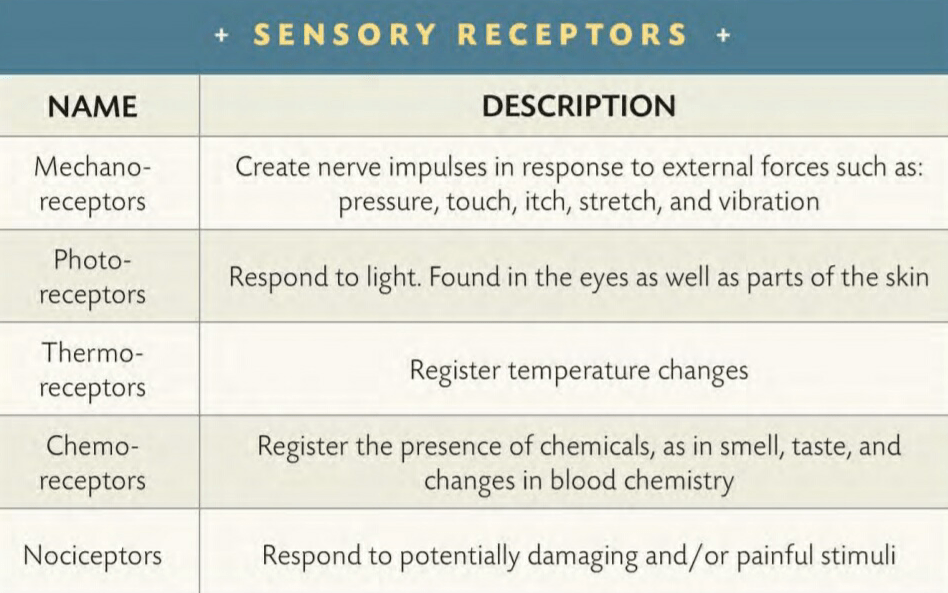
Sensory receptors come in five types. The mechanoreceptors create nerve impulses when their physical shape changes in response to external force, such as pressure or touch.

Touching a devil's club thorn stimulates pressure-sensitive mechanoreceptors and, possibly, pain-sensitive nociceptors in the fingertips.
Touching a devil’s club thorn stimulates pressure-sensitive mechanoreceptors and, possibly, pain-sensitive nociceptors in the fingertips.

Photoreceptors respond to light. Curiously, not all photoreceptors exist in the eyes; some are found in the skin. Scientists at Cornell University and at White Plains, New York, found they could combat jet lag and insomnia by shining lights on the back side of the sufferer’s knees. Thermo receptors register heat and cold. Chemoreceptors register the presence of chemicals, such as the sugars in an orange when you bite into it.

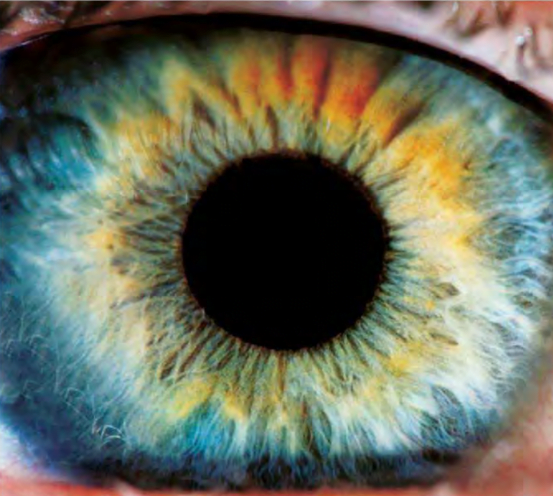
Photoreceptors in the eye begin the neural circuitry that registers sensations of visible light.

And last are the nociceptors, which respond to external stimuli that have the potential to create, or do create, pain. The body needs to process painful feelings in order to warn it of possible larger dangers that pose threats to life and limb.

SENSORY RECEPTORS

Nociceptors are able to act in concert with other sensory receptors. For example, the warmth of a fire on a wickedly cold day feels good on the feet because it stimulates thermo receptors in the skin. If the toes get too close to the flames, however, extreme heat activates the nociceptors and the sensation changes from pleasure to pain.

MESSENGERS – RELAYING INFORMATION TO & FROM THE BRAIN [ THE NERVOUS SYSTEM ]

MESSENGERS – RELAYING INFORMATION TO & FROM THE BRAIN [ THE NERVOUS SYSTEM ]

THE COMPLEXITY of the brain and how it collects data and reacts to them lies in the very integration of its many neurons. Neural integration not only results in the interplay of sensations associated with motor activity but also influences the ways humans remember, think, and create. In the central nervous system, neurons form organizations called neuronal pools that process information brought in from either the peripheral nervous system or the neighboring neuronal pools.

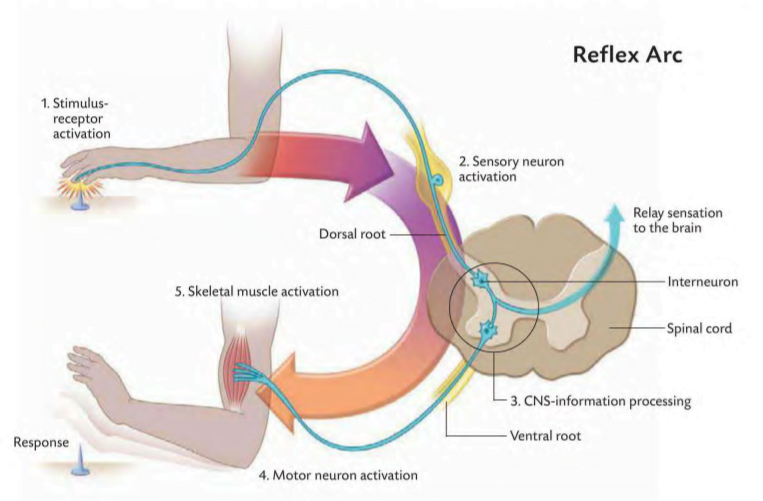
Reflexes are almost instantaneous. They provide protective, involuntary reactions to a stimulus.

SERIAL PROCESSING

Sometimes, one neuron excites only one other neuron, which excites only one other neuron, and so on, like a single row of toppling dominoes. The result of such “serial processing” is a clear-cut response. You can see a good example when the doctor taps your knee with his hammer, and the reflex action makes you jerk your leg. The links in the chain, called a reflex arc, must include a receptor responding to an external stimulus, a sensory neuron to carry the information to the central nervous system, an integration center in the spinal cord, a motor neuron to carry a return signal, and a muscle or gland to react.

Indigestion can hurt your chest. Packed spinal nerves sometimes confuse paths of pain signals.

PARALLEL PROCESSING

Other times, sensory information branches into many pathways. A single neuron may excite several others, like one domino setting a dozen rows in motion. This causes “parallel processing” of information as circuits diverge and converge in the central nervous system. Each neural circuit delivers different information at the same time.

ITCH & SCRATCH

NERVE ENDINGS sensitive to the sensation of itching proved hard to find. Not until 1997 were these receptors isolated in the skin; their extreme thinness helped hide them from prying eyes. The sensation the itch and its response the scratch-still remain mysterious for neuroscientists. In 2008, findings showed that there are different kinds of itches, which activate different neural pathways. The relief of a scratch depends on the type of itch. Insight into how an itch works can help neuroscientists understand how to control it-and other sensations, like pain.

For example, seeing a kitten may remind you of the cat you raised as a child; the scar on your hand that you got when you bathed your kitty the first (and possibly last) time; the subtle hints your daughter has made in the last few days that she would like to own a pet; or the pleasant purring a happy kitten makes when you gently stroke it. Or all of these associations may appear in quick succession. Each response to the stimulus-“kitten”-is ullique, not only among every human, but also from instance to instance in a single brain, thanks to the addition of new experiences and environments.

Parallel processing creates complexity several orders of magnitude above serial processing. For instance, when you see a driver’s license, you quickly recognize it as such because your brain’s neuronal circuits are assimilating vanous inputs from it at the same time. The shape of the license, its colors, the photograph of a face on one side, the identifying information about the card’s owner, the state’s name and artwork, and perhaps the fact that you saw it being removed from a wallet-all pass along through a variety of parallel circuits to allow a bartender to quickly say, “You’re underage,” or a traffic officer to remark, “You need to renew that next month.” In contrast, it takes a much longer time for a computer using serial processing to analyze the object and declare what it is. Its circuits are not as efficient as the brain’s systems.

SHOCK TO THE SYSTEMS [ THE NERVOUS SYSTEM ( HARMONY ) ]

SHOCK TO THE SYSTEMS [ THE NERVOUS SYSTEM ( HARMONY ) ]

When you’re startled, the two branches work together, regulating the body without any conscious thought needing to be involved. Thanks to these automatic responses, the brain’s cortex is allowed to remain free to do other things-process sensory information, register emotion, pursue rational thoughts, and initiate voluntary movements. This can happen because the parasympathetic nervous system briefly lowers the heart rate, breathing, and other functions. That gives the cortex time to do its job, assessing any possible threats from the external world. Within a flash, the sympathetic nervous system sends signals to release neurotransmitters that put the body on full alert to prepare for the next step.

Meanwhile, the cortex uses the data it has collected to make a decision on an appropriate response to the startling stimulus. If the cortex perceives a real threat-a tiger on the loose from the zoo, for example-the brain automatically sends signals straight to the hypothalamus. The hypothalamus then releases a stress hormone known as CRF. It increases anxiety, puts the senses on extreme alert, and orders the release of the stress hormones cortisol and epinephrine (adrenaline) from the adrenal glands.

THE NERVOUS SYSTEM [ HARMONY ]

Next, the hypothalamus also signals to the pituitary gland to release hormones into the bloodstream that energize all of the body’s organs. Thanks to all this interaction and coordination, a person is now primed to run from the tiger, climb a tree, or fight back if necessary.

The tiny hypothalamus, less than one percent of the brain, is rich in neural connections and receptors for hormones, and it strongly influences the pituitary gland. Damage to the hypothalamus weakens the immune system and its response to viruses and germs. Conversely, electrical stimulation boosts immunity.

THE AUTONOMIC NERVOUS SYSTEM / TWO BRANCHES

THE AUTONOMIC NERVOUS SYSTEM / TWO BRANCHES

THE AUTONOMIC NERVOUS SYSTEM

Much of what the brain does takes place beyond our ability to sense it-or appreciate it. In the midbrain’s pons and medulla lie the centers that regulate the vital, everyday functions of life. Think about it: How fortunate you are that you don’t have to concentrate in order to breathe, or make your heart pump blood.

The first rule of the living brain is to go on living. Thus, these crucial areas of the midbrain, called the autonomiC (“involuntary”) nervous system, are not easily overruled by the higher functions of the cortex. While it’s possible to hold your breath while underwater or throwing a tantrum, the midbrain will eventually overrule the efforts of the cortex and force the lungs to inhale. However, some drugs, such as tranquilizers and stimulants, can affect the autonomic nervous system, altering things like the heart rate and blood pressure for good or ill.

THE AUTONOMIC NERVOUS SYSTEM / TWO BRANCHES [ HARMONY ]

TWO BRANCHES

Like day and night, the autonomic nervous system has two equally important halves. They are reciprocal and complementary. The day- light side of wakefulness and work is called the sympathetic branch. It works when the body’s sense of self-preservation, developed over eons of evolution, calls for energy. In extreme cases, the sympathetic branch triggers the so-called fight or flight response. When a threat looms, the body prepares to meet it or quickly escape from it. Blood pressure and heartbeat skyrocket, breathing speeds up, and in a multitude of other ways the midbrain signals to the body to prepare itself for action.

The parasympathetic branch is the calmer, quieter side of the nervous system. It’s responsible for the so-called relaxation response. The midbrain signals to the body to lower breathing rate, heartbeat, and blood pressure. As a result, the brain promotes and recognizes a feeling of well-being.

Modern pharmacology can bring about a similar result, but much of the self-help books of the past few decades have focused on meditation and other forms of stress management to stimulate the parasympathetic branch while soothing the sympathetic.

THE CEREBRAL CORTEX [ HARMONY ( THE NERVOUS SYSTEM ) ]

THE CEREBRAL CORTEX [ HARMONY ( THE NERVOUS SYSTEM ) ]

THE CEREBRAL CORTEX

Seven-tenths of the volume of the human nervous system lies in the cerebral cortex. Given that the human cortex is many times larger than that of any other creature, scientists are convinced its huge size is the main source of what sets humans apart from the animals. Creativity, emotion, perception, language, imagination-all have strong connections to the workings of the cortex.

Beginning in the late 19th century, researchers began cataloging variations in the thickness and structure of the cerebral cortex. Korbinian Brodmann, a German neuroscientist, created a numbered map of the cortex in 1906, based on the organizational architecture of the cells that he observed after staining them. He numbered 52 sites in the brain, now called Brodmann areas. While the significance of these areas has been widely debated, further investigation has linked some of the sites to particular functions of the brain. PET scans and functional MRI scans have linked specific motor and sensory functions to specific cortical areas called domains. Brodmann areas 1, 2, and 3, for example, reside right behind the central sulcus and are closely linked to the primary somatosensory cortex, while Brodmann areas 41, 42, and 43 are associated with hearing.

The map is not a precise atlas with domains neatly separated by boundary lines, the way countries are separated by political divisions inked on paper. Many functions such as language and memory overlap domains and may in fact be scattered throughout much of the brain.

IS IT POSSIBLE to have handwriting like a serial killer’s? Does a physician’s scrawl indicate a love for humanity? Much like the phrenologists who thought a bumpy skull could reveal insights into the human psyche, so do today’s graphologists, or handwriting experts, believe that penmanship can tell us a great deal about who we are. Handwriting analysts have succeeded more than phrenologists in selling their pseudoscience. Witness the TV ads in 2008 that analyzed car buyers’ signatures. Proponents claim that because the brain controls psychological traits and muscles that produce handwriting, they must be linked. No causal link has been found. Graphologists lack scientific rigor, often analyzing the writing of people with known traits-kind of like shooting an arrow at a barn, then drawing a bull’s-eye around it.

Nor is the map an indicator of destiny, as other scientists would find. In the early 19th century, Franz Joseph Gall made his own maps of the brain and skull, but they proved faulty. He examined the bumps on the head and drew erroneous conclusions about the functions of the underlying portions of the brain. Physical variations in the size and shape of the head have nothing to do with the workings of the brain power beneath. Damage to a particular Brodmann area, however, may manifest itself in predictable ways, such as language deficiencies resulting from lesions in areas 44 and 45.

DIVISIONS [ HARMONY ( THE NERVOUS SYSTEM ) ]

DIVISIONS [ HARMONY ( THE NERVOUS SYSTEM ) ]

The peripheral nervous system has two key parts. The sensory division is sometimes called afferent, for the Latin for “carrying toward.” It sends signals from sensory receptors all over the body toward the central nervous system. Sensors in the skin, muscles, and joints are called somatic (“body”) afferent fibers, while those from the internal organs are called visceral afferent fibers.

The other part, the motor or efferent division, sends signals from the central nervous system to the muscles and glands. As these signals cause, or “effect,” changes, they create the motor responses that make the body move. Most nerve cells act as two-way streets, sending signals back and forth between the brain and extremities. Purely afferent or efferent cells are rare.

DIVISIONS [ HARMONY ( THE NERVOUS SYSTEM ) ]

The motor division also is divided into parts. The somatic nervous system sends signals from the central nervous system to the skeletal muscles. As it is usually under conscious control, this is sometimes called the voluntary nervous system. The other part is the autonomic nervous system, which comprises visceral motor fibers that automatically activate the heart, digestive tract, and other body functions.

ORGANIZATION/CENTRAL AND PERIPHERAL [ HARMONY ( THE NERVOUS SYSTEM ) ]

ORGANIZATION/CENTRAL AND PERIPHERAL [ HARMONY ( THE NERVOUS SYSTEM ) ]

ORGANIZATION

The brain’s internal orgalllzation makes performances like the orchestra’s possible. Resembling Russian dolls that nest one inside another, the systems of the brain are organized with greater or lesser degrees of scale, but with the same principles. At the brain’s behavioral level-the largest doll-humans carry out actions originating in the cortex. These behaviors include speech and written language.

At the next level, the microscopic, behavioral activity is processed by the sum of electrochemical signals pinging among the brain’s billions of neurons. At a still smaller, molecular, level, behavior is influenced by the neurotransmitters that pass information across the synaptic clefts that separate individual neurons.

For communication to occur through, say, language, every level has to operate in harmony and virtually simultaneously. Electrochemical processes must pass information from neuron to neuron; neural pathways must interact; and those interactions must come together to create speech.

CENTRAL AND PERIPHERAL

The very concept of the brain’s whole being greater than its parts continues throughout the nervous system. The body contains only one nervous system, but for purposes of study it often is divided into parts, each of which has smaller and smaller divisions.

Thanks to evolution's hard wiring for survival, gazelles in Botswana react without thinking when a lioness attacks.
Thanks to evolution’s hard wiring for survival, gazelles in Botswana react without thinking when a lioness attacks.

The nervous system’s two biggest parts are the central nervous system and the peripheral nervous system. The former consists of the brain and the spinal cord. It interprets sensations and issues commands in the form of motor responses, which are based on current sensations, reflexes, and experiences. The peripheral consists mainly of the axons that branch out of the brain and spinal cord, carrying nerve impulses to and fro. Spinal nerves send impulses to and from the spinal cord, while cranial nerves do the same for the brain itself. All cranial nerves terminate in the head and neck except for the vagus nerve, which extends into the chest and abdomen. Cranial nerves in the head include those that interact with eyes, ears, nose, and tongue.

PHRENOLOGY [ THE NERVOUS SYSTEM ( HARMONY ) ]

PHRENOLOGY [ THE NERVOUS SYSTEM ( HARMONY ) ]

PHRENOLOGY

As A SCHOOLBOY of nine, Franz Joseph Gall (1758-1828) was intrigued by a classmate with large, protruding eyes and a knack for rote memorization. The student’s appearance and skills made a lasting impression, one that years later Gall would trace to his theory of cortical localization. All the best memorizers, the German anatom ist recalled, seemed to share these bulging, “ox-like” eyes. So it followed, Gall concluded, that the function of verbal memory is governed by the frontal lobe of the cerebral cortex. The better the memory, the larger the lobe, and hence the jutting eyes.

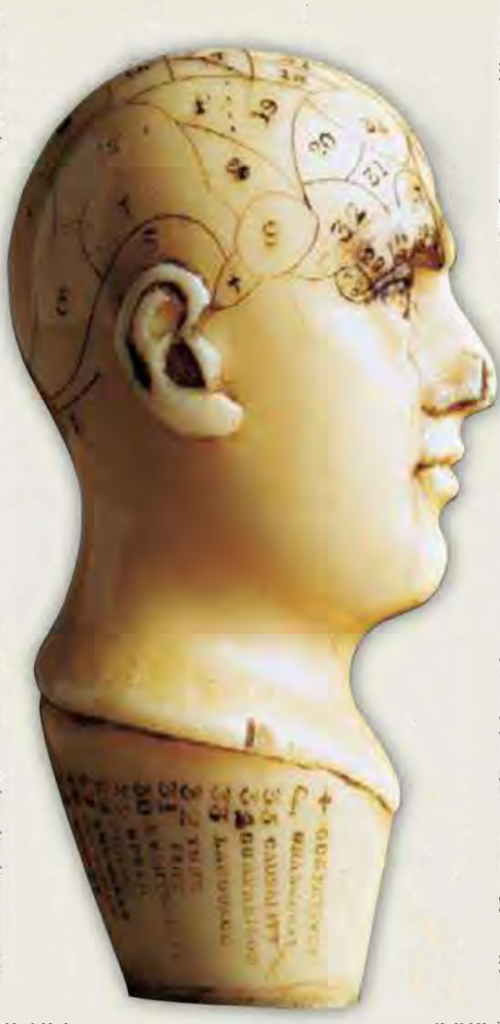
Though he did not coin the term- and shuddered at its Usage Gall would become a leading exponent of phrenology, the pseudoscience of interpreting personal characteristics and mental abilities from cranial knobs and knots.

In interviewing hundreds of personalities across the continent and amassing a collection of some 600 skulls-not the interviewees’, fortunately-he determined the human brain to house 27 faculties. Each, he said, is controlled by different areas of the brain.

An ivory phrenological head maps skull lumps for pseudo-scientific analysis

Among those faculties we share with animals, Gall included “reproductive instinct” , “pride” , and” destructiveness, carnivorous instinct, or tendency to murder.” Unique to humans were “poetic talent,” “religious sentiment,” and “wisdom.”

Determining each faculty’s cortical coordinates was simple enough. A large percentage of pickpockets, for example, had a sizable bulge on the side of the head. This area, Gall assumed, was then location of a faculty he called “desire to possess things.” The logic of Gall’s classification system had made it widely appealing by the 1830s.

Phrenology has since been lumped with the likes of astrology, palm reading, and graphology (handwriting analysis). Yet Gall unwittingly contributed to true science. His theory of cortical localization would prompt future neuroscientists to rethink their concept of the brain, paving the way for ground- breaking discoveries at the turn of the century.

SEEING THOUGHTS [ LOOKING INSIDE ( THE AMAZING BRAIN ) ]

SEEING THOUGHTS [ LOOKING INSIDE ( THE AMAZING BRAIN ) ]

SEEING THOUGHTS

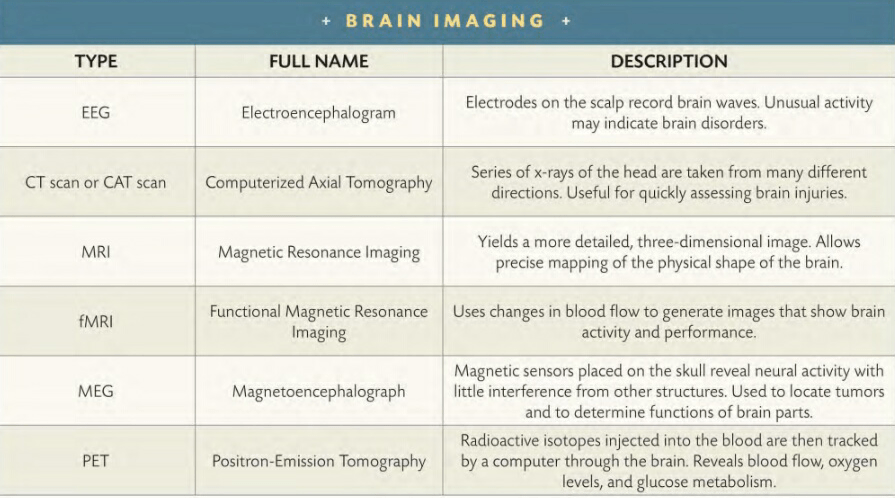
MAGNETOENCEPHALOGRAPHY ( MEG ) also relies on magnetism to examine the brain. In this case, it’s the body’s ambient magnetic fields, not those generated by an external machine, that form the basis of brain imaging. These magnetic fields are extremely weak-perhaps only a billionth of the power that causes a compass needle to point toward the north magnetic pole. Yet, when read by sensors placed on the skull, MEG scans reveal the electrical currents created by neural discharges. The resolution is as fine as a thousandth of a second and as small as a cubic centimeter. The MEG scan and EEG are the only observational techniques capable of anything approaching real-time revelations. When a patient thinks a specific thought, it shows up, in progress, on an MEG.

Mental functions also can be localized with a technique called positron-emission tomography, or PET. A radioactive isotope is injected into a patient. Because all radioactive atoms decay into stable atoms at a known rate, the decay of the isotope, which is usually paired with glucose, is recorded and turned into images with computer programs. Like MRI and CT scans, PET scans let observers localize activity inside the brain.

The array of brain-imaging techniques serves like the variety of hammers, saws, and other tools in a mechanic’s toolbox. A scientist observing the brain chooses the right tool based on what kind of information is needed. A CT or MRl scan would be the choice if a doctor suspects the growth of a tumor or physical damage to part of the cerebrum. A PET scan might be the appropriate choice for investigation of deficiencies associated with language or reason. And lack of oxygen use in stroke- damaged sections of a brain would call for a functional MRI.

A patient receives a PET scan to pinpoint regions of the brain that are most active.

True to the rational and observational methods of Descartes and Willis, science has made great strides in describing how the brain’s parts, both large and small, function. But understanding any organ that is “wider than the sky” is not as easy as toting up small pieces of information. The brain is an integrated unit, with its complexity arising from the synergy created by the simultaneous functioning of its billions of neurons and trillions of synapses in nonlinear ways. Science has learned much about movement, sensations, emotions, and the sense of self. Yet much is yet to be gleaned about the most complicated object in the universe. There will always be more to learn about the brain.

BRAIN MAPPING [ LOOKING INSIDE ( THE AMAZING BRAIN ) ]

BRAIN MAPPING [ LOOKING INSIDE ( THE AMAZING BRAIN ) ]

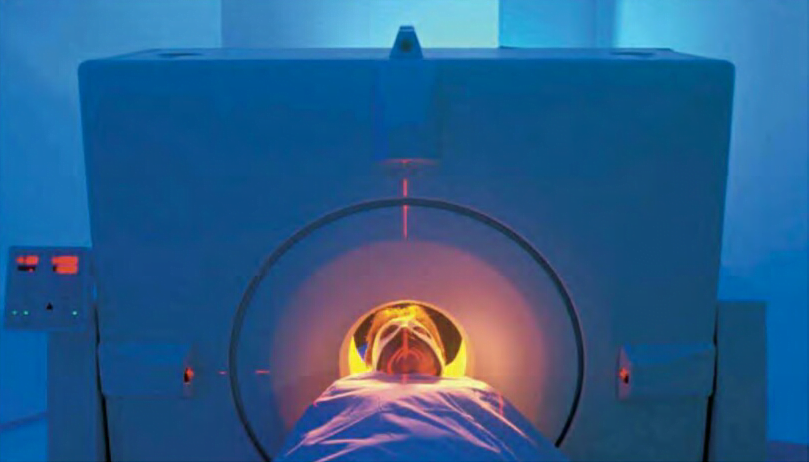
Magnetic resonance imaging (MRI) gives a more detailed 3-D picture than a CT scan. An MRI relies on an intense magnetic field generated in a cylinder that surrounds the patient. It allows precise mapping of the physical shape of the brain. Its magnetic field is so powerful that it causes some of the atoms inside the brain to jerk into alignment. Then a series of radio waves from the MRI scanner bounce off the affected atoms and push them slightly out of line. When the energy from the radio signals is turned off, the atoms move back into their magnetic alignment, emitting telltale energy patterns along the way.

Addictive drugs work by mimicking neurotransmitters or altering their work. Brain scans reveal physical changes in the synaptic activity of a drug user. The drug known as Ecstasy, for example, can permanently damage neurons that produce serotonin.

Computers read these minuscule bits of energy and assemble images of cross-sections of the brain. Slices can be placed atop each other, like the layers of a cake, to represent the entire brain in three dimensions, or they can be examined individually, providing a closer look at localized phenomena. Comparisons of MRI scans of a single brain over time can show its growth-or reveal its deterioration.

BRAIN MAPPING [ LOOKING INSIDE ( THE AMAZING BRAIN ) ]

WHEN THE DENTIST asked British philosopher Bertrand Russell where he felt pain, Russell replied, with humor and honesty, “In my mind, of course.” Russell knew the brain uses the senses to collect data about the world and construct a version of “reality.” Whether that world actually exists independent of the mind makes little difference to the sufferer of a tooth- ache-the pain hurts just the same. In fact, some philosophers, such as George Berkeley (1685-1753), have questioned whether “reality” exists.

In addition to mere structure, an MRI can also capture a snapshot of thought. A variation called a functional MRI, or f-MRI, builds upon the fact that a blood cell’s magnetic properties change according to how much oxygen it contains. Receptor cells use oxygen as they take in signals from surrounding cells; burning oxygen causes cells to require more oxygen-rich blood. As blood surges toward neurons where synapses are firing with thought, emotion, or other impulses, the oxygen they carry gives off a traceable signature of radio waves. Different thoughts light up different areas of the brain in an MRI. The processes of peaking, reading, appreciating humor and music, and recognizing faces illuminate various groups of neurons. MRI techniques thus help localize areas associated with certain brain functions.

FIRST GLIMPSE / A BETTER LOOK / COMPUTERIZED VISIONS [ THE AMAGING BRAIN ]

FIRST GLIMPSE / A BETTER LOOK / COMPUTERIZED VISIONS [ THE AMAGING BRAIN ]

FIRST GLIMPSE

The first technology to peer into the brain was the x-ray, invented by Wilhelm Rontgen (1845-1923) in 1895. The German scientist discovered a form of radiation that could penetrate the body; the rays were absorbed by dense bones, which then appeared as shadows on film.

When applied to the brain, simple x-rays, harnessed to make photographic images of bone, permitted doctors to make a basic examination of the structure of the head. However, x-rays give only a two-dimensional view, and show relatively little of the soft tissues of organs. As the human brain is a three-dimensional object, whatever appeared in a 2-D image usually was murky and confusing. Often, structures lying in different planes of the brain overlapped each other, making analysis difficult.

A BETTER LOOK

Scientists first peered at real-time brain functions in 1929 with the invention of the electroencephalogram, or EEG. Electrodes fitted to the scalp record electrical activity within the brain as neurons discharge. Unusual brainwave activity registered on an EEG may indicate brain disorders. This technique records electrical activity in real time.

More recently, scientists have employed a variety of tools to get a more detailed and localized look at structure and action inside the brain.

COMPUTERIZED VISIONS

Computerized axial tomograms, or CT scans, have substantially improved the ability of x-rays to probe the secrets of the brain. A patient receiving a CT scan lies inside a doughnut-shaped array of sensitive detectors while a movable x-ray emitter rotates around the brain. Computers convert the images into a three-dimensional image of the brain. Slices of the interior-the word tomos is Greek for “section”-can be teased from the data and shown on a screen to give doctors a narrow look at particular points in the brain. For example, a CT scan might reveal a tumor located deep inside the tissue of a living brain, far too deep to be visible during routine exploratory surgery.

THE AMAZING BRAIN

SWEDISH SCIENTISTS in 2008 created the illusion of shaking hands with yourself. They had volunteers and a mannequin wear virtual reality goggles Images in the volunteers’ goggles came from the dummy. Most test subjects felt the weird sensation of the dummy’s point of view when shaking their own hands.

WHAT IS INTELLIGENCE [ LOOKING INSIDE ( THE AMAGING BRAIN ) ]

WHAT IS INTELLIGENCE [ LOOKING INSIDE ( THE AMAGING BRAIN ) ]

PERHAPS NO scientific book of the past half century stirred up as much controversy as The Bell Curve: Intelligence and Class Structure in American Life. The 1994 book, by Richard ]. Herrnstein and Charles Murray, begins simply: “That the word intelligence describes something real and that it varies from person to person IS as Universal and ancient as any understanding about the state of being human.” From there, the authors delve into definitions of intelligence and how it can serve as a good predictor for success in life.

Then they argue that different levels of intelligence lead to social outcomes, instead of the other way around a person oflow intelligence is more likely to end up a criminal or unemployed, for instance and that intelligence levels have an observable correlation to biology.

Following the track linking genetics to intelligence, the authors make claims linking racial differences to intelligence, and thus the positive and negative social outcomes that define modern life. If a group of people can’t change their biology, goes this hypothesis, they cannot change their social outcomes.

Does the brain’s biology determine intelligence, and thus lock humans in to paths toward success or failure? It’s a potent question.

DEFINING INTELLIGENCE

Part of the problem lies in the definition of intelligence. Neuroscientists don’t agree on what the word means. Nor do they agree on what intelligence tests are actually measuring. Tests don’t measure motivation, persistence, social skills, and a host of other attributes of a life that’s well lived. Some say, only half facetiously, that IQ tests measure only one’s ability to perform well on IQ tests.

Studies of identical twins have shown that certain regions of the brain are highly inheritable, affecting overall intelligence.

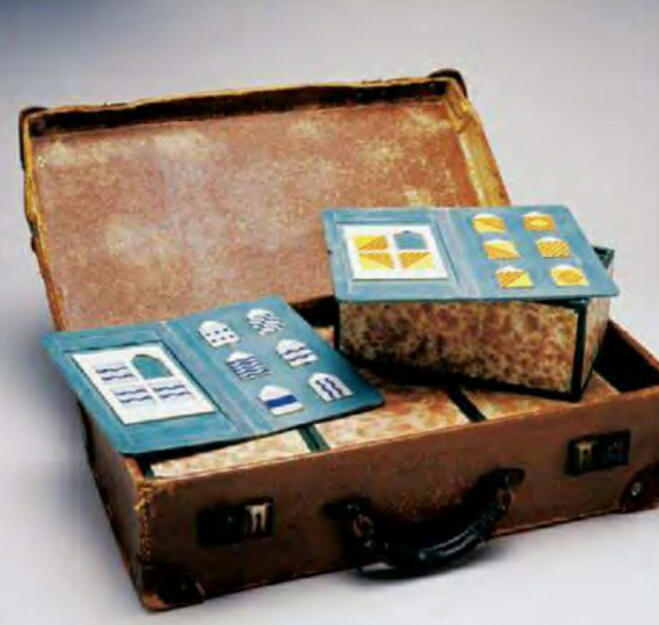
Neurologist Richard Restak likes to deliberately cloud the issue during his lectures by showing students images of two PET scans. Each reveals the level of brain activity of a student doing a problem in a Raven’s Colored Progressive Matrices test, which aims to measure “fluid intelligence,” or the ability to solve an unfamiliar kind of problem. In one scan, the image is illuminated in red , and orange, representing an increase in brain activity. In the other, the cool shades of blue and green represent a less intense level of brain function. When Restak asks the students to guess which of the two students scored higher on the Raven’s test, and thus (one assumes) possesses superior intelligence, the students invariably pick the brain lighted up like a Christmas tree. Instead, the student with the less active PET scan posted a higher Raven’s score. The explanation: The brain that finds a problem easy to solve doesn’t have to work as hard.

TYPES OF SMARTS

There are several aspects of intelligence. Most are related, but historically not all have tested what they set out to test. For example, some early IQ tests measured knowledge of facts, which actually is a function of education and memory rather than the ability to reason. In general, however, a person’s performance on a test of fluid intelligence is a good predictor of performance on a wide range of mental exercises. For example, increased fluid intelligence correlates to a high level of “working memory”-one’s ability to remember information temporarily which can range from remembering where you parked your car to which words or number combinations you tried and rejected in doing a crossword puzzle or Sudoku. People with powerful working memories are more focused in solving problems.

Scientists use the term “g-factor” when discussing the general measure of mental ability, found in vocabulary size, mechanical reasoning, and arithmetical computations. They relate it to the properties of efficient neural functioning, rather than the value of knowledge in its own right. The prefrontal cortex, right behind the forehead, is the most likely home for much of the neural processes associated with one’s g-factor abilities. When it’s damaged, a person suffers a variety of impairments to abstract reasoning, and it lights up during brain scans taken during a variety of intelligence tests.

“You have less frontal development than I should have expected,” says the evil Professor James Moriarty when he first lays eyes on Sherlock Holmes in a story by Arthur Conan Doyle. As scientists have discovered, the size of the prefrontal cortex in healthy brains generally correlates to fluid intelligence. (Perhaps Moriarty subscribed to the theory of phrenology and believed cortex size correlated to the bulging of a forehead. It’s not so.)

Psychologist John Raven devised the Raven's Colored Progressive Matrices Test in 1938, a non-verbal test of intelligence in children.
Psychologist John Raven devised the Raven’s Colored Progressive Matrices Test in 1938, a non-verbal test of intelligence in children.

But the size of a cortex doesn’t mean, QED, that biology causes intelligence the same way gravity causes an apple to fall. Identical twins vary in their performance on IQ tests. In some cases, one twin develops schizophrenia or some other disorder, and the other does not. Furthermore, when identical twins are separated at birth and raised separately in similar environments, they show only a 72 percent correlation in intelligence.

FAMILY INFLUENCE

At best, genetics accounts for only a substantial fraction of intelligence. Perhaps heredity sets an upper limit for intelligence (through the potential ability to make neuronal connections), which then becomes subject to other forces. An environment with plenty of books and challenging toys plays a key role in increasing aspects of a child’s intelligence but so does willingness to exercise the brain. Political scientist James R. Flynn noted that IQ scores have dramatically increased over the past several decades in many countries. He attributes the so-called Flynn effect to increases in modern humans’ greater ability to solve abstract problems, possibly from living in a more intellectually stimulating world.

The brain’s ability to rewire neuronal networks no matter how old the nerve cells provides the means to improve mental function. Instead of looking at family or ancestral heritage and deciding it determines mental performance, humans can set about learning new skills and tasks. Challenging the brain may not raise the score on a particular IQ test, but it will help the brain to perform better.

ANATOMY [ DIFFERENT PARTS & DIFFERENT RESPONSIBILITIES ( THE AMAZING BRAIN ) ]

ANATOMY [ DIFFERENT PARTS & DIFFERENT RESPONSIBILITIES ( THE AMAZING BRAIN ) ]

FOUR DIVISIONS

Moving inward, we come to the organ itself. The brain may appear to be a Ulllform mass of folded, pink tissue. But a closer look reveals different lobes, regions, structures, and parts that all help regulate body functions, interpret information from the body, and react to stimuli. The brain has four main parts: the cerebrum, diencephalon, cerebellum, and brain stem.

  • SHAKESPEARE WEIGHS IN on the human brain in his plays:
  • “Tell me where is fancy bred, Or in the heart, or in t he head?”-The Me rchant of Venice
  • “The brain may devise laws for the blood, but a hot temper leaps o’er a cold decree.” – The Merchant of Venice
  • “Her beauty and her brain go not together. ” – Cymbeline
  • “He has not so much brain as ear-wax.” – Trai/us and Cressida
ANATOMY [ DIFFERENT PARTS & DIFFERENT RESPONSIBILITIES ( THE AMAZING BRAIN ) ]

CEREBRUM

This largest, topmost layer of the brain is the cerebrum. It’s what most people visualize when they use their brains to picture their brains. The external layer is called the cerebral cortex. Its outer por- tion is gray from the presence of billions of nerve cell bodies, while the inner portion is white from the tangle ofaxons coated in their myelin sheaths.

In 1999, scientists discovered that Albert Einstein’s inferior parietal lobe, associated with mathematical and spatial reasoning, was 15 percent wider than that of an average brain.

In the cerebral cortex lies the core of information processing that separates humans from other animals, including reason, language, and creative thought. Homo sapiens has more of its brain in the cerebral cortex-approximately 76 percent-than any other animal. (Chimpanzees rank second at 72 percent, while dolphins have only 60 percent.)

FISSURES AND HEMISPHERES

The cerebrum is divided into parts by deep fissures. The largest of the brain’s fissures is immediately evident to the naked eye. Down the center of the cerebrum, separating it into left and right hemispheres, is the longitudinal fissure. The left and right halves of the cerebrum appear to be nearly mirror images of each other.

While they look alike, the two halves perform and control very different functions. The left hemisphere long has been considered the dominant half because of its role in processing language, but the right hemisphere is gaining new attention for its role in emotions and spatial cognition, as well as the integrative function that helps bring bits of information together to create a rich image of the world.

Connecting the two hemispheres are bands of nerve fibers that allow information to be passed back and forth between the two halves of the brain. The largest bundle, containing about 200 million nerve fibers, is the corpus callosum.

Two divides known as the Sylvi an fissure and central sulcus lie on the outside edges of the hemispheres. Their locations serve as boundaries on a map, dividing the hemispheres further into four lobes. The frontal lobe lies forward of the central fissure. Between the Sylvian and central fissures are two lobes that merge together, the parietal followed by the occipital. Behind the Sylvian fissure is the temporal lobe.

HF SERIES SIGNATURE WHEY PROTEIN

HF Series Signature Whey protein Powder|With added EAA and Glutamine|62 servings|Build Lean and Bigger Muscles|2Kg|Flavour-Signature Chocolate

PROTEIN POWDER WITH BCAAs: Whey Protein Isolate is a high-quality protein that is both bioavailable and easily digested.

PROTEIN POWDER for LEAN MUSCLE – Whey peptides promote rapid recovery from exercise and support an insulinogenic response for improved nutrient delivery for men & women. Builds lean muscle, increases strength and enhances performance.

USE ANY TIME OF DAY  post-workout, between meals, as a snack, or as a treat.

Cold filtered, multi-phase filtration reduces fat, lactose and impurities without using heat, harsh acids or salt.

CHECK OUT

OSOAA PRO XXL MASS GAINER PROTEIN

OSOAA Pro XXL 1:6 Mass Gainer Protein, 478 Calorie- Creatine, Citrulline, Glutamine, Enzymes, 28 Immunity Vitamin & Mineral, Fast Muscle Weight Gain, 8Serving (French Vanilla, 1 KG)

SPN-TRA

OSOAA brings to you Pro XXL 1:6 Mass Gainer which is a surreal mix of dietary protein, carbohydrates, essential vitamins, minerals and a multitude of calories that ensure quick mass gain along with a speedy recovery. The ideal blend of slow and fast releasing proteins provides sustained release of protein to your muscles for a longer duration to help maximize muscle gain and strength.

French Vanilla

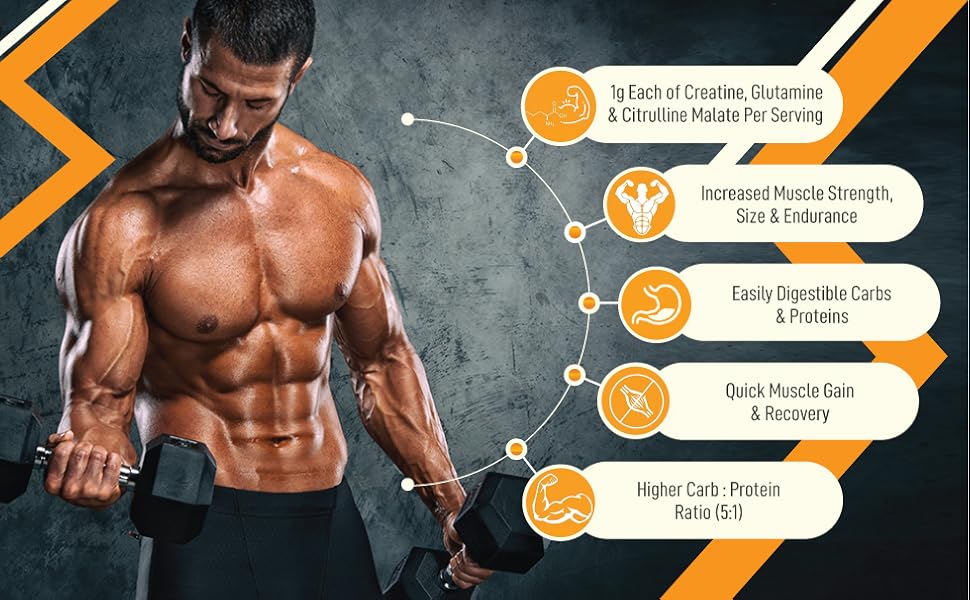
OSOAA Pro XXL 1:6 Mass Gainer has a high carbohydrates to protein ratio that provides your muscles with the much-needed protein whilst providing enough carbohydrates to fuel your high-intensity workouts. Each serving of this mass gainer contains 1g each of Creatine, Glutamine and Citrulline. This combination promotes muscle growth and recovery, strengthens immunity and boosts heart health to help you achieve lean mass gain and increase muscle size.

Features:

Powerhouse of healthy fatsTaste & FlavourUsed To Prepare Shakes or Desserts
Powerhouse Of Good FatsThis mass gainer contains all good fats that improve your heart health. These include fats like HOSO (High Oleic Sunflower Oil) that helps in repairing the body and maintaining adequate cholesterol levels in the body. Good fats also help to keep you mentally active, support the nervous system, fight fatigue and gain muscle mass.Taste & FlavourIf you are taking a mass gainer on a regular basis, it should have a good taste and flavour so that you enjoy every sip of it. With this intent, OSOAA has made this XXL Mass Gainer available in different flavours that cater to your taste buds. These flavours are liked by men and women alike, thereby making this product a good choice for everyone.Used To Prepare Shakes or DessertsOSOAA Mass Gainer can be added to any beverage such as water, smoothie, milk, yoghurt etc. It can also be added to desserts like cake or cookie mixture to make them protein-rich. Due to the various ways in which you can consume this mass gainer, it becomes a versatile addition to your life.
OSOAA Pro XXL
Balanced FormulationEssential NutrientsImmunity BoosterMuscle building
Balanced FormulationThis formula is made using a powerful blend of carbohydrates and proteins in a ratio of 5:1 [80g carbs, 15.8g protein]. This formula helps you to stay lean and muscular while gaining the right proportion of mass. Moreover, with no added sugar, harmful chemicals or hidden ingredients, this formula is safe for consumption.Essential NutrientsEach serving (100g) of this OSOAA Mass Gainer comes with a host of essential nutrients that promote muscle growth and recovery. These include 15.8g protein, 80g carbohydrates, 1g creatine, and 495 calories. This Mass Gainer also contains 28 vitamins and minerals with high RDAs of Vitamin C, Vitamin D3 and Zinc. These ingredients are known to support your immune system and ensure maximum recovery rate.Easily Digestible SupplementThe highlighting feature of this mass gainer is that it is very easily digestible, thanks to the presence of digestive enzymes that break down complex carbohydrates and proteins. The blend of slow and fast releasing proteins ensures muscle growth while the easily digestible carbohydrates provide you abundant calories to fuel your intense workout regime.MUSCLE Building your goal is gaining muscle, then you need to consume more energy than you are burning. The presence of creatine in this Mass Gainer ensures that you get ample amount of energy during a high-intensity workout. This formula gives you proper strength and stamina to keep your workout goals on track.

Place Your Order

TERRA ORIGIN Grass-Fed Whey Protein

TERRA ORIGIN Grass-Fed Whey Protein, 24G Whey Protein, Stevia leaf Extracts, Grass-Fed Whey Protein Concentrate and Isolate for Repair and Build Muscle (Vanilla)

Product Description

Terra Origin
Whey Protein
Vanilla Whey Protein

What sets our protein apart?

Terra Origin uses a natural form of protein structure obtained from 100% grass-fed cow’s milk that is gentle on digestion & absorption. It is free of antibiotics, hormones, GMOs, fillers, etc. We use science to formulate milk-derived proteins; amino acids including BCAAs; omega fatty acids and more, to increase bioavailability for your fitness regimen. Most importantly, our blends are made at our FDA-registered, GMP-compliant US facilities to ensure no ambient impurities tamper with the quality of our products.

Why choose grass-fed protein?

whey protein zero sugarwhey protein supplementwhey protein energy
SourcingGrass-fed protein is sourced from cows that graze in organic pastures i.e. eating & moving which facilitates digestion. It is good for the cow’s health. We use rotational grazing methods to protect the topsoil i:e the cows graze on one patch at a time, with regular intervals, which allows the soil to regrow new grass.More BenefitsTerra Origin Grass-fed protein has higher levels of immune-boosting, bioactive compounds as well as beta-lactoglobulin, lactoferrin, cysteine (antioxidant), and lysozyme.Clean & NaturalProtein obtained from grass-fed cow’s milk contains no preservatives, antibiotics, hormones, or fillers. Additionally, our products are made at FDA-registered, GMP-compliant US facilities to ensure no ambient impurities tamper with the quality of our products.
whey protein powder

Why is Terra Origin a cut above the rest?

  • FDA registered
  • Made in state-of-the-art US facilities
  • Ethically-sourced, clean ingredients
  • Inspired by India, made in USA
  • Non-GMO
  • Result-oriented

Getting your daily dose of protein just got yummier!

Enjoy Terra Origin 100% Grass-fed Protein in a delicious Vanilla variant

+2 more exciting flavors

Place Your Order

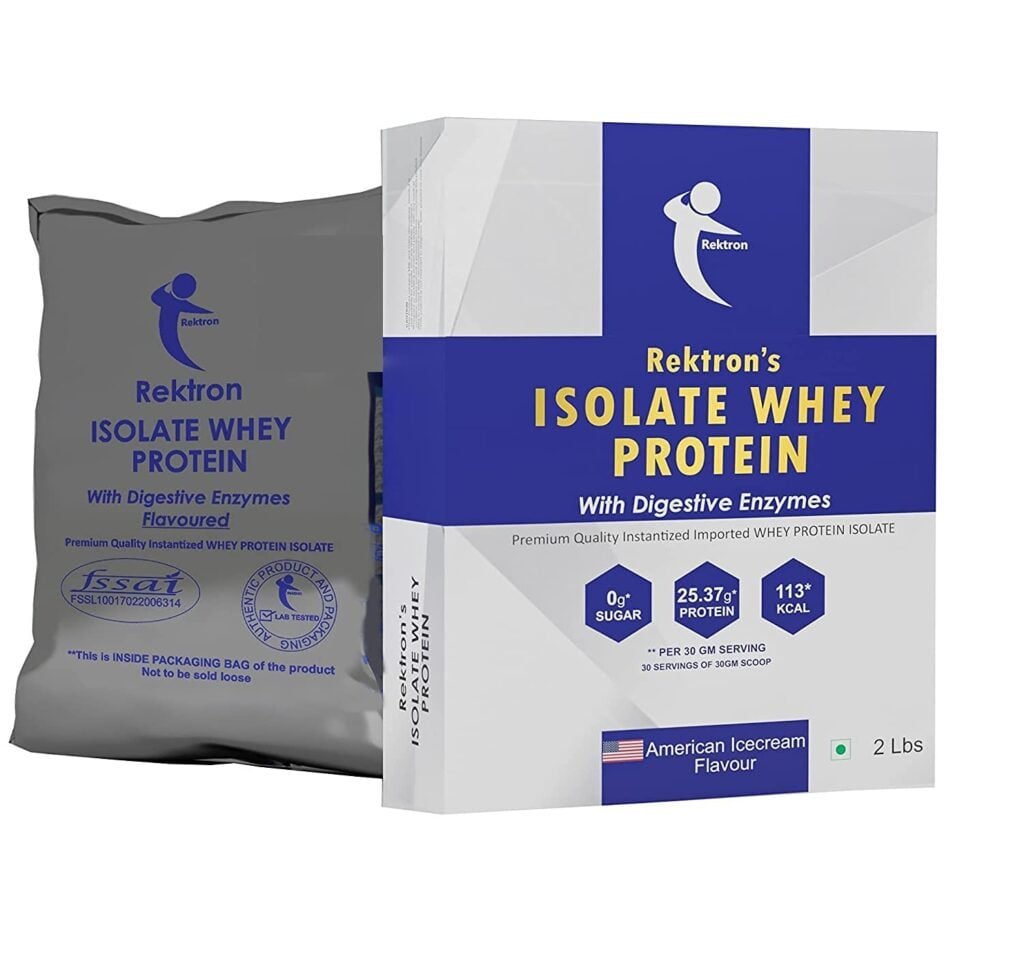
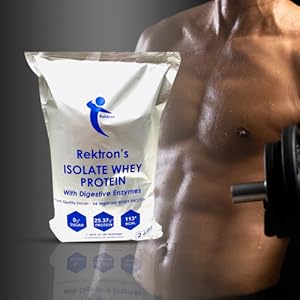
Rektron 100% Isolate Whey Protein Powder With Digestive Enzymes

Rektron 100% Isolate Whey Protein Powder With Digestive Enzymes Zero Sugar Protein – 2 lbs, 30 Serving Low Carb (Alpha Mango Flavour)

Rektron Healthcare was established in 2017 and since then it is delivery in top notch quality products. He believes in self manufacturing and self marketing hence our motive is to deliver top quality nutrition supplements in India. Rektron is proudly an Indian brand which aims to raise the bar of Indian Protein supplement. It is due our esteemed efforts that customers are rating 4/4.5 star plus to Rektron products without any promotions. With this thought, our vision is to be a leader in providing world-class nutraceutical manufacturing facilities for a healthier world. Rektron has developed a culture of centering on service excellence. The company has provided nutraceutical manufacturing to both large and small players. Our company focuses on developing and providing high quality health & wellness products using superior technology and continuous innovations to provide maximum value to our customers.

About this Product:

Premium Quality Whey Protein Isolate with Digestive Enzymes. Rektron’s Isolate Whey Protein – American Ice Cream flavor is a LAB tested product and Nutritional value are as per LAB reports. Rektron intend to serve the actual deliverable than hypothetical values.

Whey Protein Isolates (WPI)

Whey Protein Isolates (WPI) are the purest form of whey protein that currently exists. WPIs are costly to use, but rate among the best proteins that money can buy. By using WPI as the primary ingredient, we’re able to pack 0Gm Sugar ,25.37 Gm Protein ,113Kcal into serving of Rektron’s Isolate Whey Protein to support your muscle building needs after training.

whey protein

Direction To Use

  • Morning: You can use this as a First Meal in the morning to get the Energy and Protein for upcoming Day.
  • Pre Workout: This can be used as a pre workout shake to get those muscle a healthy and rich source of Protein.
  • Post Workout: It is really important to have a Protein Rich Diet After an Intense Sessions, hence This can be used as a post workout shake to get those muscle a healthy and rich source of Protein.
  • Before Bed: According to Indian Tradition we usually take milk before bed. To increase the Muscle you can put a scoop in 200-300 ml of skimmed milk for overnight relies of protein for recovery of muscles.
whey protein

High Protein Content

Our Protein Delivers 25.37 Grams of High Quality Protein Per Serving (30 Grams) which makes it a highly effective product for muscle synthesis and gain.

whey proteinwhey proteinwhey protein
UsageIt can be used in various ways most effective way is to have 1 Scoop of Rektron’s Isolate Whey Protein (30 Gm) in 200 ml of Cold Water & blend for 45 to 60 seconds for a thick creamy shake. Also this can be used to make various types of Shakes, Smoothies, Cakes, Bars.Promotes Muscle BuildingGain Lean Muscles Like Never Before, With Rektron’s Whey Protein. In Its Natural, Raw Form, Whey Protein Is Ideal For Those Who Love An Intense Workout As It Boosts Recovery And Reduces Muscle Loss.Shape Your BodyThe amino acids in protein are the building blocks of muscle protein synthesis. A whey protein shake consumed before or after exercise helps kick-start this recovery process.

Place Your Order

Hey, we use Wise to send money abroad. Really easy and a lot cheaper than the bank! Give it a try with a fee-free transfer of up to 25,000 INR.

Create your Wise account now

Greenex Nutrition ISO Legend Whey Protein Isolate for Muscle Growth & Fat Loss

Greenex Nutrition ISO Legend Whey Protein Isolate for Muscle Growth & Fat Loss, Zero Carbs & Zero Fat Isolate Protein Supplement, Kosher USA Certified (Dream Chocolate, 4.4 Lbs (2Kg))

GREENEX NUTRITION
  • Making the best sports nutrition available to everyone: Greenex Nutrition is India’s leading sports nutrition brand with the largest range of premium sports nutrition products for healthy living and high performance. We pride ourselves in providing a broad selection of products at an exceptional value to power this, including a range of dietary needs including vegetarian, dairy-free and gluten-free.
  • Authenticity
  • Quality

GXN ISO LEGEND ISOLATE WHEY PROTEIN

  • GXN ISO Legend whey protein isolate is a leading, pure whey protein isolate formula that focuses on high protein with a low amount of fat and carbohydrates. An ideal formula for putting on lean muscle mass without adding unwanted body fat.
  • GXN ISO Legend whey protein isolate is a confidently fuel used for faster recovery, increased lean muscle building and accelerated fat burning.
  • GXN ISO Legend Whey protein provides 30 grams of protein per serving with no fat or carbs.
  • 30g of Protein & 6.9g of BCAA
  • Zero Carbs & Zero Fat
  • Build lean & Ripped muscles

Boost Muscle Endurance:

  • When you train hard, you definitely should give your body the nutrients it needs to grow. GXN ISO Legend is a whey protein isolate that increases your muscular endurance, it has been proven to increase strength and muscle size in resistance training.

Build Lean and Ripped Muscles:

  • GXN ISO Legend is one of the best isolate whey protein for bodybuilders to fulfill your nutritional requirement for optimum performance and build lean and ripped muscles. ISO legend includes a high ratio of Protein, EAA, and BCAA.

Zero Carb and Zero Fat:

  • Get stronger than ever before with GXN ISO legend whey protein. ISO legend provides 30g of protein per serving, 6.9g of BCAA(s), zero carbs and zero fat. It is designed to improve recovery rates and the growth of muscle tissue. With over 6 flavours to choose from, you can build your dream body in record time.

Place Your Order

Hey, we use Wise to send money abroad. Really easy and a lot cheaper than the bank! Give it a try with a fee-free transfer of up to 25,000 INR.

Create your Wise account now

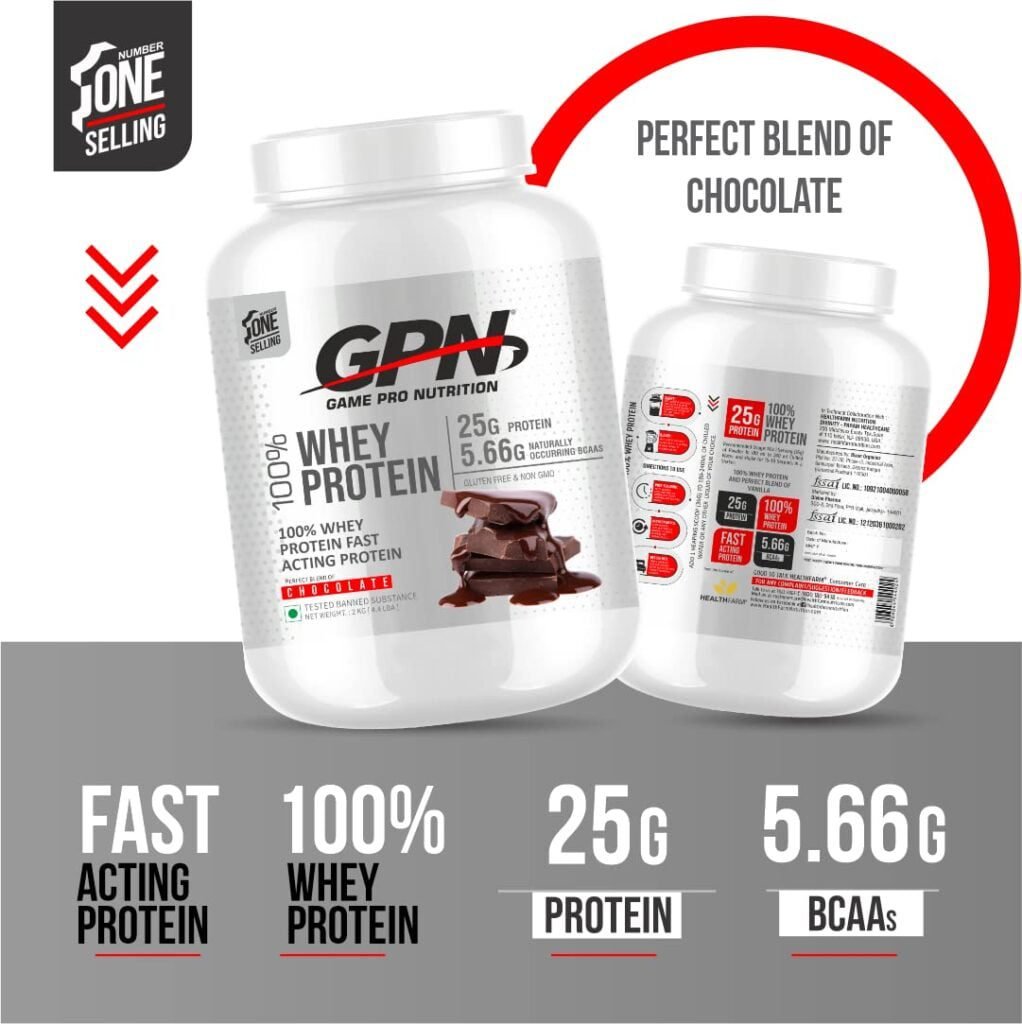
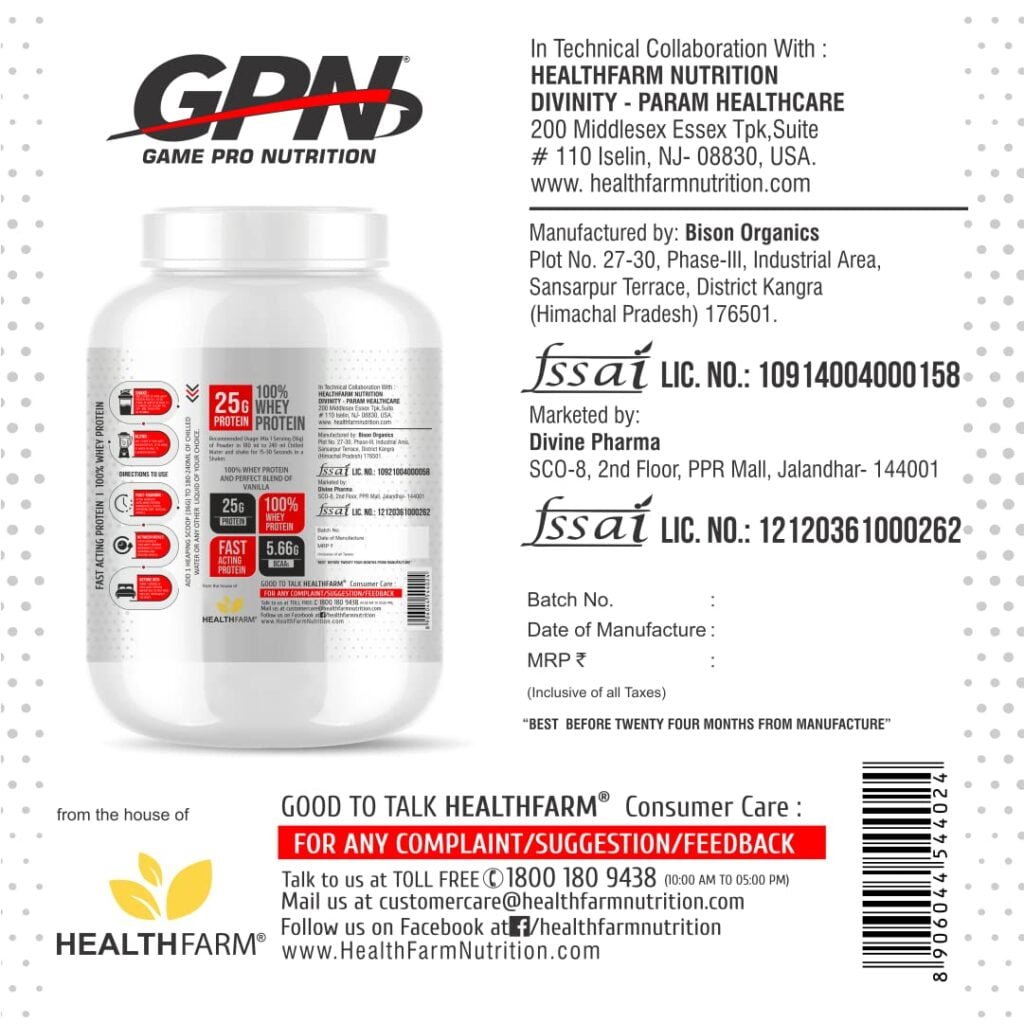
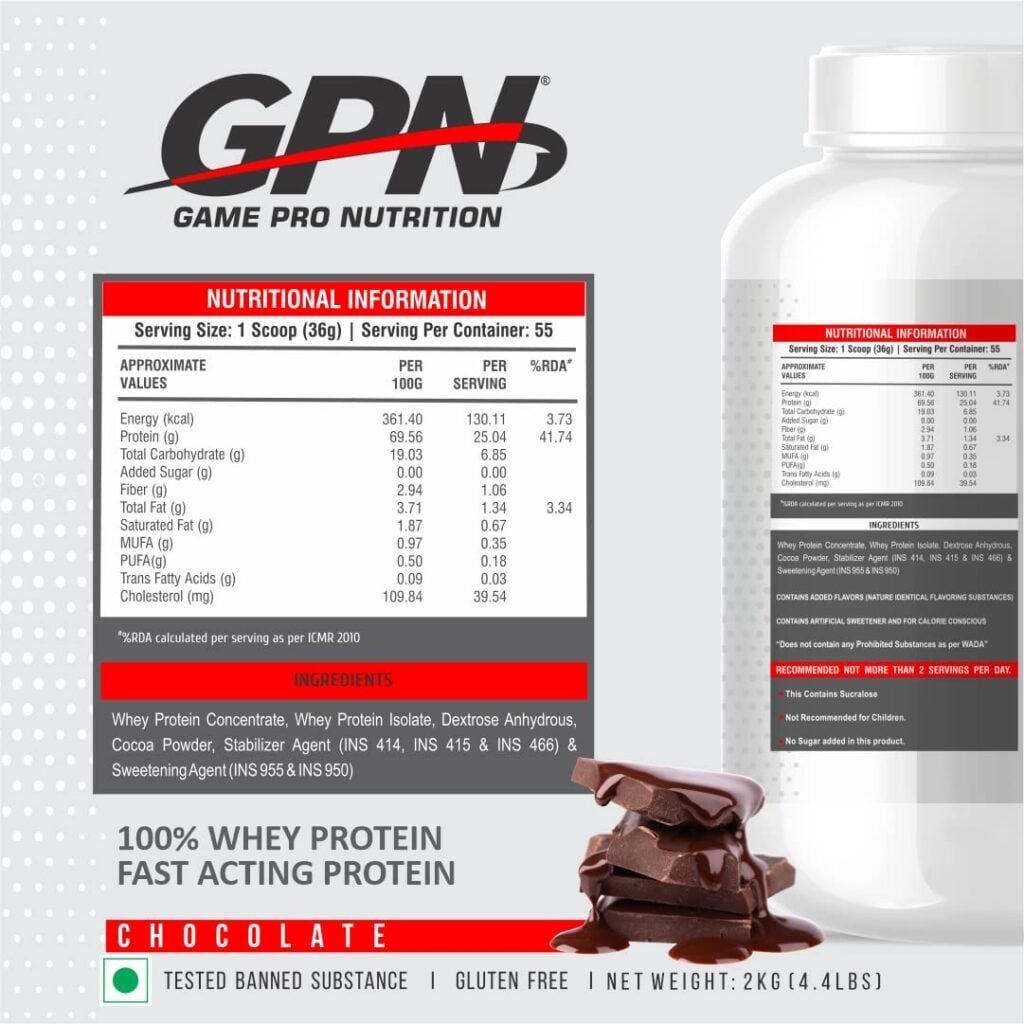
GAME PRO Nutrition ( GPN ) 100% Whey Protein – HEALTHFARM

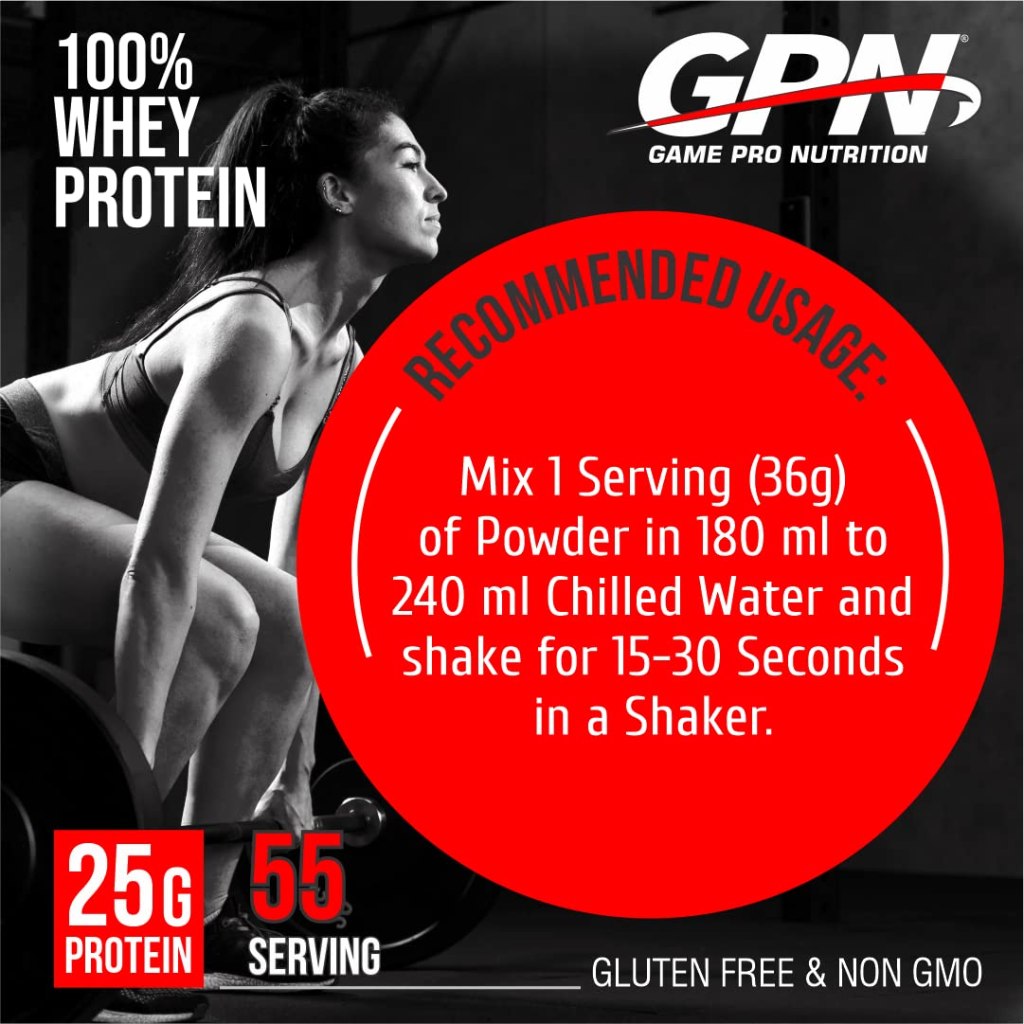
Gpn 100% Whey Protein Powder ,Whey Protein Concentrate + Whey Isolate Protein Powder|55 Servings (CHOCOLATE, 2kg-4.4lbs)From HEALTHFARM

GET 100% WHEY (ISOLATE+CONCENTRATE):Combination of Isolate and concentrate supplies 100% whey benefits every athlete, bodybuilder, or weightlifter by supplying the prime quality macronutrient protein formula with essential amino acids helps to get fasten post-workout recovery, removing muscle fatigue, increasing muscle growth, faster and healthier absorption rate along with delicious lip-smacking flavors-Double Chocolate, Vanilla, and Mango.

GET ATHLETIC FIT POWER MUSCLES:Get rid of muscle cramps and body fatigue after an intense workout. Each 1 serving scoop is a highly potent 25gm protein that delivers strong toughness to your muscles, maintains an optimum level of protein in your body, and provides maximum wellness.

HEALTHY METABOLISM RATE:Best to give a healthy metabolism rate, enhance blood circulation, elevate mood, increase oxygen flow, tighten skin, upgrade immunity system, enhance nerve system and give complete nourishment to your body.

OVER 5G OF BCAAS – help build lean and strong muscles with naturally occurring BCAAs

BANNED SUBSTANCE TESTED – highest quality control measures so you feel comfortable and safe consuming the product.

AFFORDABLE SUPPLEMENTS: GPN is committed to the idea that your gains should be a result of the level of your Dedication and Commitment, not the size of your budget, so our supplements are always the highest quality without being the highest price.

Place Your Order

Body First Essential Amino Acids Prime

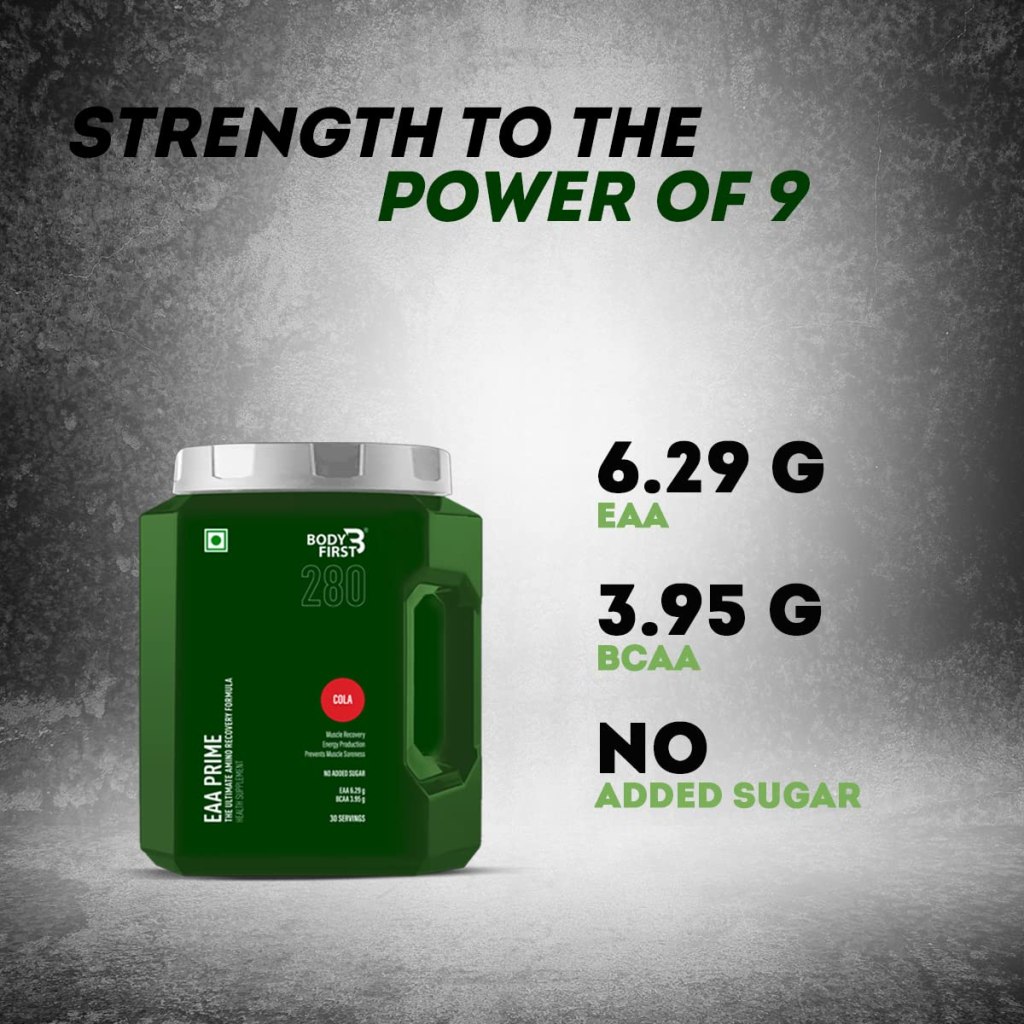
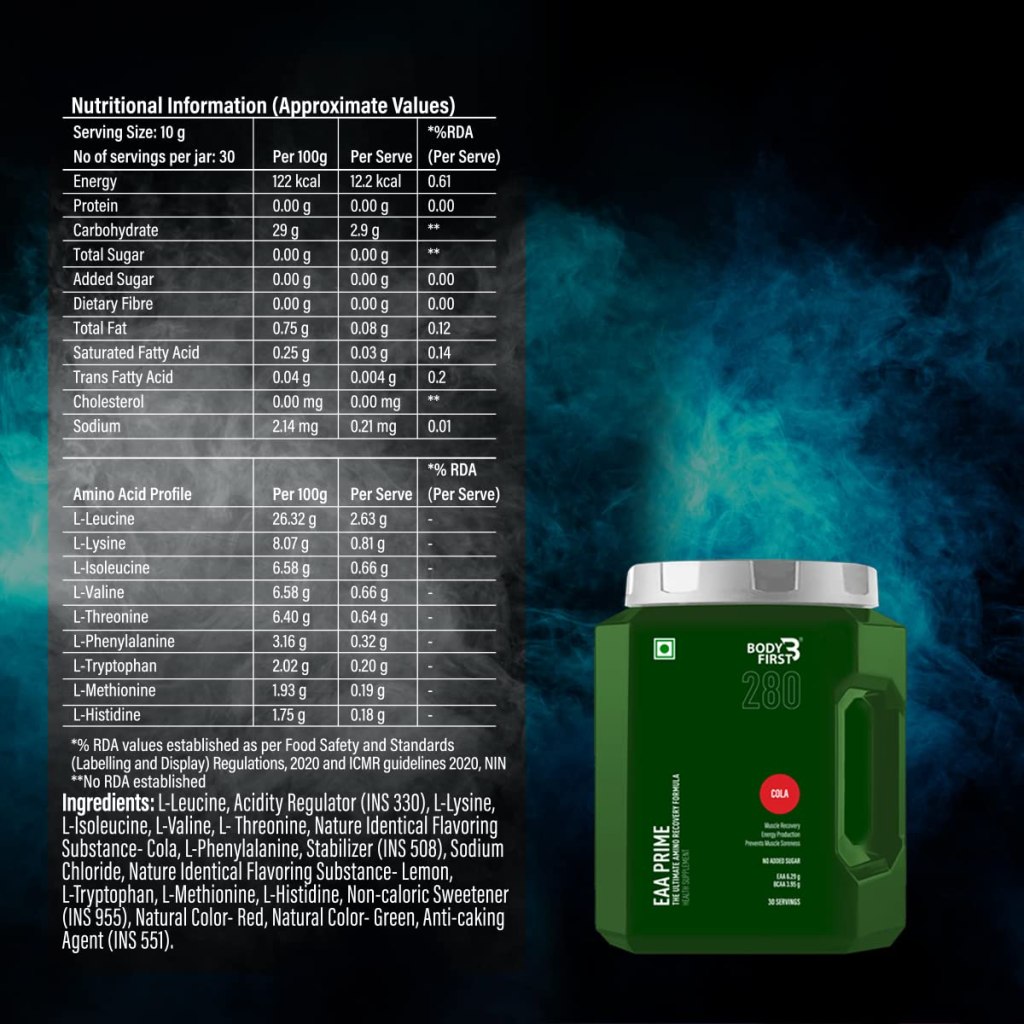
Body First Essential Amino Acids Prime – The Ultimate Amino Recovery Formula containing 6.29g EAA with 3.95g BCAA for Muscle Building, Recovery, Strength, Energy & Endurance, Cola Flavour, 30 Servings

  • Muscle Recovery – Provides amino acids required for muscle synthesis, which are quickly transported into your muscles, resulting in increased muscle gains and tissue repair. EAAs contain BCAAs, which are known to reduce muscle damage, thereby reducing the length and severity of muscle cramps.
  • Prevents Muscle Soreness – Essential Amino Acids help in muscle protein synthesis which helps in reducing the fatigue and muscle soreness.
  • Energy Production – Essential Amino Acids consists of a blend of nine amino acids which helps to build stamina and increases the limit of body endurance.
  • L-leucine helps in regulation of blood glucose level and in wound healing. It also support growth and repair of the muscle tissue. L-leucine helps in protein synthesis.
  • L-lysine supports rebuilding of the muscle and improves recovery process after heavy training session. It helps to maintain optimal strength and performance. L-lysine support immune system and helps in the synthesis of protein.
  • L-isoleucine helps in the regulation of blood sugar and energy.It helps in improving athletic performance and alleviate muscle damage after exercise. L-isoleucine reduces the rate of protein degradation and maximise ability to mediate glucose update.
  • L-valine promotes muscular endurance and reduces fatigue during heavy exercise. It prevents the damage to the muscle & improves endurance.
  • L-threonine helps in the production of glycine and serine which are necessary for production of collagen, elastin and muscle tissue. It accelerate wound healing due to production of collagen. Threonine prevent fat accumulation in the liver
  • L-phenylalanine accelerate breakdown of fat consumed before exercise. It also helps in elevating the mood.

Place Your Order

PRE-X5 ULTIMATE [ DOCTOR’S CHOICE ]

Doctor’s Choice PRE-X5 Ultimate Professional Pre-Workout Formula 350g Powder [50 Servings – Cola Candy]Pre-workout: india’s first professional pre-workout formula designed to cater your body with support required to take your intense workout regime to advanced levelFocus and continuance for next level executionStorming energy and endurance: unique pre-workout blend is powered by caffeine anhydrous and beta alanine to boost focus, amplify the intensity of training with explosive energy supportPerformance: monstrous spikes in vitality levels, improved oxygen stream to muscle tissue results in improved strength.PRE X5 is an advance pre workout formula designed to pump in explosive energy and vitals in your body, required to push your weight lifting regime to next level and uplifts your endurance to train harder. Powered by citrulline dl malate, creatine nitrate, caffeine anhydrous, beta-alanine and taurine, PRE-X5 is must have for bodybuilders and athletes to deliver your muscles phenomenal power, pump and energy when working out. What is a pre-workout. Pre-workout is an unisex nutrition, bound to be taken before the workout which enables you to lift better and increases your endurance to train harder. Advantages of PRE X5, explosive instant energy, enhanced strength, extensive muscle pump, extended stamina and power, endurance direction to use: mix 1 serving with 250 ml of water and consume 25-30 minutes prior to intense exercise. Do not consume more than 2 servings in a day. Any side effects. No. It just has a tingling effect because of the ingredient beta alanine.PLACE YOUR ORDER

Instagram Marketing Secrets

Crack the Instagram Code and Reach the Ideal Followers to Grow Your Business

 Instagram is one of the most important platforms when it comes to branding and reaching a wide audience. It has over 1 billion active users, and is considered a ‘trendy’ and youthful platform for by the majority of marketers.

The only issue? A lot of people have no idea how to make use of it.

Instagram’s power lies in the fact that it is an image-based platform. This gives it a great return on investment, and means that you don’t need to write reams to be successful. It also makes it perfect for getting an emotional response from your audience. And ultimately, emotions are what sell products.

But this is also what throws a lot of people…

See if this sounds familiar…

  • You don’t know how to take great photos
  • You don’t know any other way to succeed on Instagram
  • You have NO idea how to get a verified account or why you’d want one
  • Or what a story is, or how to use Instagram Live
  • You don’t know how regularly you’re meant to be posting, or how to gain any kind of traction
  • You’ve been sporadically posting promotional content into the void for a while now
  • You have no strategy and no hope of growing in the future.                                                               So what’s the Solution?             Read More :- Join