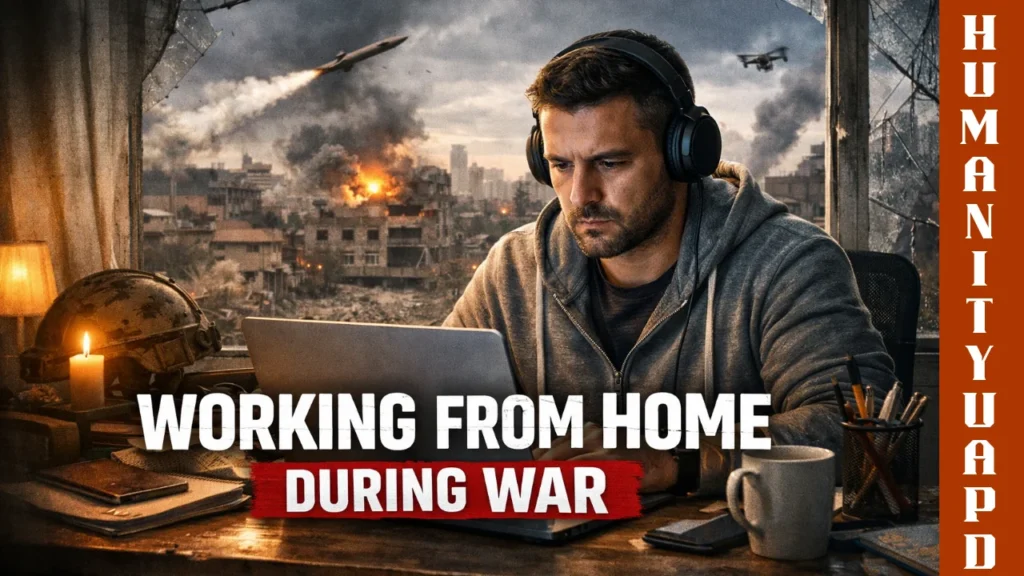
Work from home during the current war (April 2026)
As of April 2026, the geopolitical tensions between Iran and Israel have escalated significantly, impacting various aspects of life, including work environments. The ongoing conflict has resulted in considerable economic and psychological strain on individuals residing in affected regions, creating an urgent need for adaptive strategies in professional settings. The clash between these two nations, marked by military engagements and strategic posturing, has led many to reconsider their work arrangements, prominently ushering in the practice of working from home.
The complexities of the Iran-Israel conflict are multifaceted, involving historical grievances, territorial disputes, and recent incidents that have intensified militaristic rhetoric. Citizens in both countries find themselves navigating a state of uncertainty, grappling with constant developments that might affect their safety and daily operations. As businesses face potential disruptions due to this regional instability, remote work emerges as a viable solution, enabling individuals to maintain productivity while prioritizing their well-being in the face of conflict.
Moreover, the shift towards remote work is not merely a measure of convenience; it reflects a broader societal adaptation to crises. Employees are increasingly recognizing the potential of home offices as safe havens, offering a semblance of normalcy despite the prevailing unrest. In light of this, organizations are investing in technologies and policies that facilitate remote collaboration, creating a virtual workspace that transcends geographic limitations imposed by the ongoing conflict.
In summary, the current geopolitical climate between Iran and Israel necessitates a profound reevaluation of traditional work environments. The transition to working from home during these turbulent times serves as a critical mechanism for resilience, empowering individuals and businesses to continue operating under challenging circumstances while ensuring safety and mental well-being.





You must be logged in to post a comment.