Daily writing prompt
Describe a random encounter with a stranger that stuck out positively to you.

The Tigris and Euphrates rivers represent two of the most significant waterways in the Middle East, shaping the geography and civilization of ancient Mesopotamia. These rivers, which originate in the mountainous regions of eastern Turkey, flow through Iraq and eventually converge in the southern plains, forming a fertile delta as they empty into the Arabian Gulf. The Tigris stretches approximately 1,850 kilometers (1,150 miles) while the Euphrates extends about 2,800 kilometers (1,740 miles), making them key geographical features in the region.
The significance of the Tigris and Euphrates extends beyond their physical dimensions; they have historically served as crucial lifelines for the early societies that flourished in Mesopotamia. This area is regarded as one of the cradles of civilization, where agriculture, urbanization, and sophisticated governance systems emerged. The availability of water from these rivers facilitated irrigation, which was essential for farming in otherwise arid landscapes. As a result, the Tigris and Euphrates formed the backbone of the agricultural economy, enabling communities to sustain themselves and fostering trade and cultural exchange.
Furthermore, the Tigris and Euphrates rivers have been central to the historical narratives of various empires and cultures. From the Sumerians and Babylonians to the Assyrians and later Islamic civilizations, these waterways played a pivotal role in the development of social and political structures. The interplay between these rivers and the civilizations that thrived along their banks is a testament to their enduring impact on the historical landscape of the Middle East.



/

The Zagros and Alborz mountain ranges are two of the most significant geological features in Iran, each contributing uniquely to the country’s diverse natural landscape. The Zagros Mountains extend approximately 1,500 kilometers, stretching from the northwest to the southeast of Iran and forming a vital barrier between the plains of Mesopotamia and the Iranian plateau. In contrast, the Alborz range is situated in the northern part of the country, running parallel to the southern coast of the Caspian Sea and encompassing around 900 kilometers of majestic peaks.
These mountain ranges were primarily formed during the collision of the Arabian and Eurasian tectonic plates, a process that began millions of years ago. This geological activity continues to shape the landscape, resulting in various geological formations and a unique topography. Among the peaks of the Alborz, the highest is Mount Damavand, which stands at 5,609 meters, making it the tallest volcano in Asia. In the Zagros range, the peak of Zard Kuh rises to 4,548 meters, showcasing the impressive elevations that characterize these mountains.
Both ranges play a critical role in Iran’s ecology and climate. The Zagros Mountains act as a climatic divide, significantly influencing the precipitation patterns across the region and creating a variety of microclimates that support diverse ecosystems. The Alborz range, with its lush forests and rich biodiversity, acts as a crucial reservoir for various flora and fauna, including several endemic species. These mountains not only enhance the aesthetic beauty of Iran but also provide essential resources and habitats that sustain local communities and wildlife.
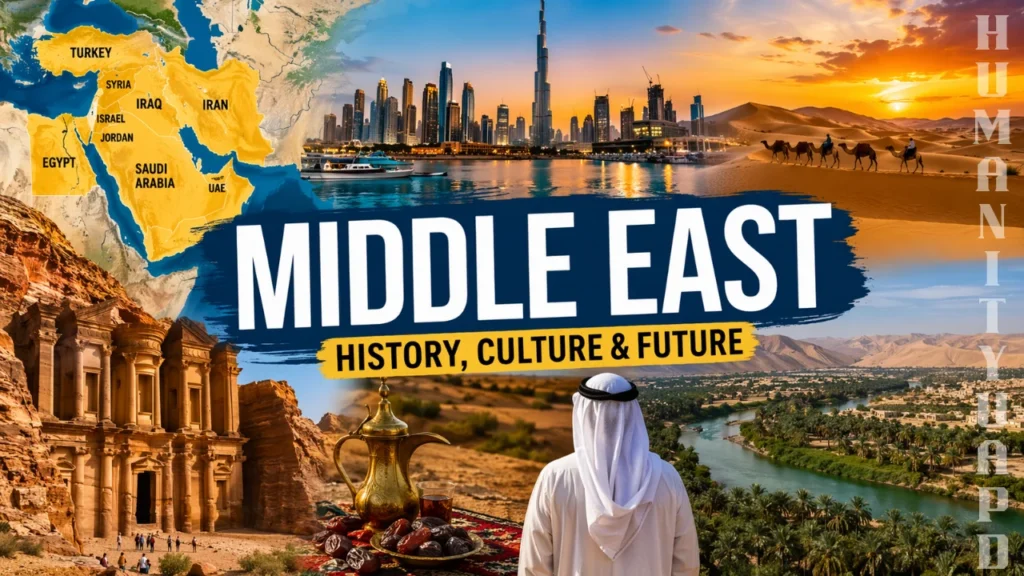
The Middle East is a region that holds a remarkable position in the world, geographically and historically. Stretching from the eastern Mediterranean Sea to the Persian Gulf, and encompassing parts of North Africa and Central Asia, this area is characterized by its vast deserts, fertile valleys, and significant waterways such as the Nile and Tigris-Euphrates rivers. The Middle East is often defined politically by the borders of its nations, which include countries like Saudi Arabia, Iran, Iraq, Egypt, Israel, and Turkey, among others.
The significance of the Middle East extends beyond its geography; it is often referred to as the cradle of civilization due to its historical contributions to human development. The region has been a melting pot of diverse cultures, languages, and religions for centuries, including Islam, Christianity, and Judaism, each playing a vital role in shaping the social fabric. The crossroads nature of the Middle East has facilitated trade routes since ancient times, making it a hub for economic exchange and cultural interactions.
In modern times, the Middle East continues to be economically significant due to its abundant natural resources, primarily oil and natural gas, which have shaped global energy markets. However, the region’s diverse economies also include agriculture, tourism, and finance, contributing to its complex and multifaceted identity. The geopolitical landscape of the Middle East is marked by both collaboration and conflict, influencing international relations and global policies. Therefore, understanding the intricate tapestry of the Middle East is crucial for appreciating its role on the world stage, as this region continues to evolve amidst changing cultural, economic, and political dynamics.
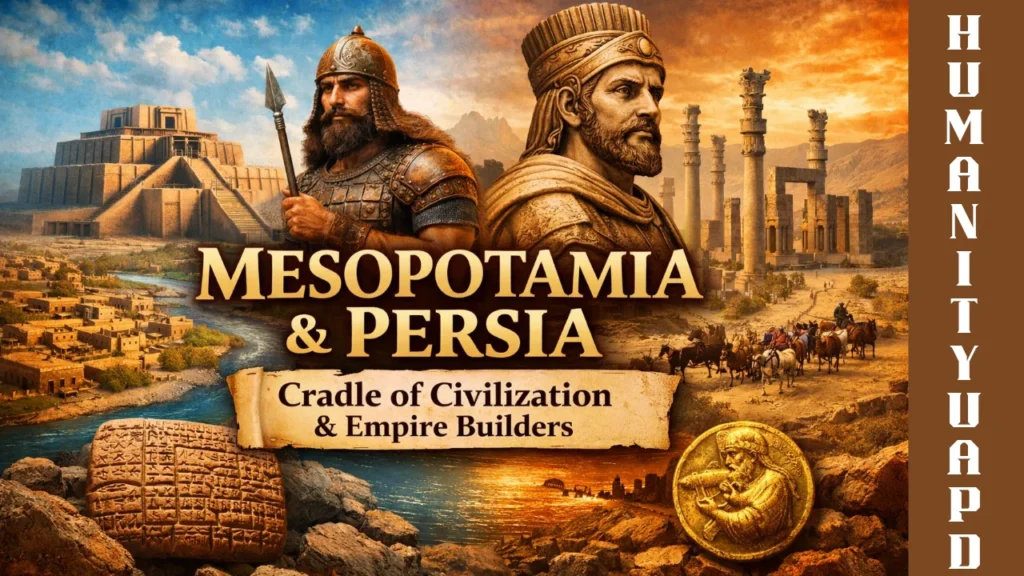
Mesopotamia, often referred to as the “Cradle of Civilization,” is located between the Tigris and Euphrates rivers, primarily in present-day Iraq. This ancient region is notable for being one of the first places where complex urban centers emerged, marking the beginning of significant advancements in human society around 3500 BCE. The key civilizations that thrived in Mesopotamia include the Sumerians, Akkadians, Babylonians, and Assyrians. Each of these societies made substantial contributions to science, mathematics, and writing, with the invention of cuneiform, one of the earliest forms of writing.
Persia, corresponding largely to modern-day Iran, evolved as a significant empire from the 6th century BCE, characterized by its extensive territorial expansion and sophisticated administration under leaders such as Cyrus the Great and Darius I. The Persian Empire became renowned for its innovations in infrastructure, including the construction of roads and the establishment of an efficient postal system. These advancements not only facilitated trade and communication but also enabled a level of administrative organization that influenced subsequent empires.
Both Mesopotamia and Persia played pivotal roles in shaping human history, particularly in scientific domains. They laid the groundwork for mathematics through concepts such as the sexagesimal system, which is still fundamental in measuring time in hours and minutes. Furthermore, the advancements in astronomy and medicine in these regions provided the basis for future studies that would extend throughout the ages.
The enduring legacy of these ancient civilizations continues to resonate today, illuminating the profound impact that Mesopotamia and Persia have had on science, culture, and governance across the globe. Understanding their contributions offers critical insights into the development of human knowledge and society.

As of April 2026, the geopolitical tensions between Iran and Israel have escalated significantly, impacting various aspects of life, including work environments. The ongoing conflict has resulted in considerable economic and psychological strain on individuals residing in affected regions, creating an urgent need for adaptive strategies in professional settings. The clash between these two nations, marked by military engagements and strategic posturing, has led many to reconsider their work arrangements, prominently ushering in the practice of working from home.
The complexities of the Iran-Israel conflict are multifaceted, involving historical grievances, territorial disputes, and recent incidents that have intensified militaristic rhetoric. Citizens in both countries find themselves navigating a state of uncertainty, grappling with constant developments that might affect their safety and daily operations. As businesses face potential disruptions due to this regional instability, remote work emerges as a viable solution, enabling individuals to maintain productivity while prioritizing their well-being in the face of conflict.
Moreover, the shift towards remote work is not merely a measure of convenience; it reflects a broader societal adaptation to crises. Employees are increasingly recognizing the potential of home offices as safe havens, offering a semblance of normalcy despite the prevailing unrest. In light of this, organizations are investing in technologies and policies that facilitate remote collaboration, creating a virtual workspace that transcends geographic limitations imposed by the ongoing conflict.
In summary, the current geopolitical climate between Iran and Israel necessitates a profound reevaluation of traditional work environments. The transition to working from home during these turbulent times serves as a critical mechanism for resilience, empowering individuals and businesses to continue operating under challenging circumstances while ensuring safety and mental well-being.
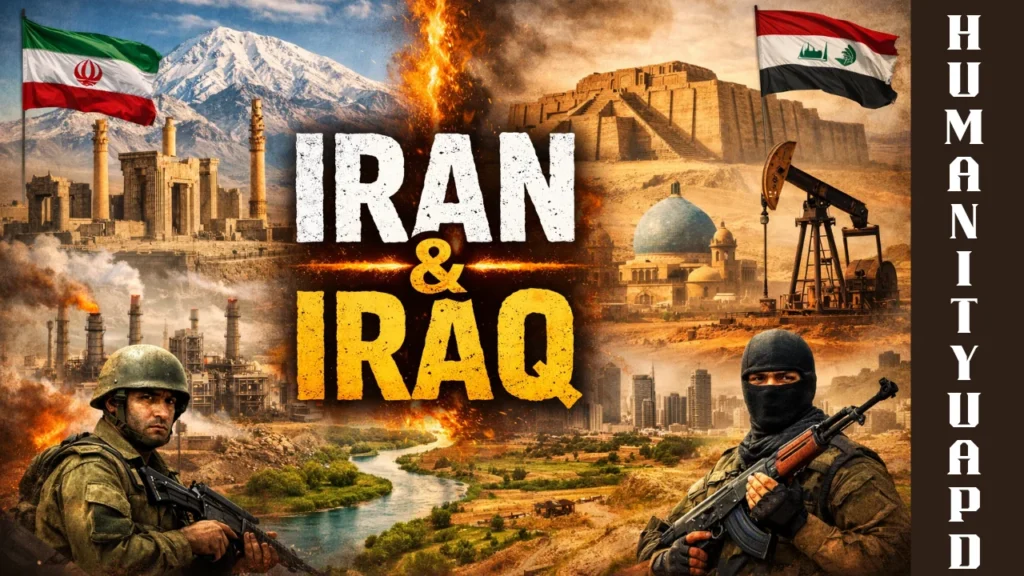
Iran and Iraq occupy significant geographical positions in the Middle East, sharing a long border that has facilitated both cultural exchange and conflict throughout history. Iran, known as Persia in antiquity, is situated to the east of Iraq, bordered by countries such as Turkey, Armenia, Azerbaijan, and Afghanistan. With its diverse landscapes ranging from mountains to deserts, Iran is characterized by its rich natural resources, especially oil and natural gas.
Iraq, on the other hand, is located to the west of Iran and has been recognized historically as the cradle of civilization due to its location in the fertile region of Mesopotamia. This area is significant for its rivers, the Tigris and Euphrates, which have nurtured human settlement and cultural development since ancient times. The modern borders of Iraq are marked by its neighbors: Saudi Arabia to the south, Jordan to the west, and Syria to the northwest.
Historically, both nations have roots that extend back thousands of years and have been pivotal in shaping the culture and politics of the Middle East. Key events such as the Islamic conquests in the 7th century, the establishment of the Persian Empire, and the devastation of the Iran-Iraq War between 1980 and 1988 profoundly influenced the national identities and diplomatic relationships of Iran and Iraq. These events, along with ongoing socio-political developments, continue to impact both countries today.
Understanding the geographical and historical context of Iran and Iraq is essential for comprehending the complexities of their interactions and conflicts. By exploring these foundational elements, one can appreciate the intricate tapestry of relationships and events that define the modern realities of both nations.


You must be logged in to post a comment.