Tag Archives: THE BRAIN

CHANGES IN PLASTICITY OR ALBERT & THE RAT

CHANGES IN PLASTICITY OR ALBERT & THE RAT

CHANGES IN PLASTICITY

By the time a baby is three or four months of age, its behavior provides clues to its having reached new milestones in brain development. At that age, individual infants differ widely in their reaction to events and in their patterns of brain activity as measured in EEG scans.

Rs & Ls

JAPANESE WHO BEGIN studying the English language as adults struggle with the sound of the letters Rand L. It’s not the tongue that’s to blame-it’s the brain. Newborns can distinguish all phonemes, or language sounds. Between six months and one year of age, however, children lose the ability to process previously unheard language sounds. Their loss is called phoneme contraction. Since the Japanese language slurs Rand L phonemes, adults who are exposed to the separate sounds in English for the first time cannot hear, or articulate, the difference. It’s the same for English speakers learning Japanese. They can learn the words, but it’s too late for the neuronal circuits to get the sounds exactly right.

A pattern of responses known as behavioral inhibition, which includes shyness and fear when exposed to new people and experiences, occurs in one in five healthy four month olds. Their brains show higher levels of electrical activity in the right frontal lobes. Likewise, older babies who cry upon being separated from their mother have more activity in the prefrontal cortex of their right hemisphere than do children who remain calm when mom disappears from sight.

ALBERT & THE RAT

IN A 1913 manifesto, John B. Watson introduced the term behaviorism, which, he wrote, eliminated the “dividing line between man and brute” in asserting that emotions are determined not by DNA but by external stimuli. Watson built on Ivan Pavlov’s foundation of conditioned stimulus response. Foreshadowing the 1932 publication of Aldous Huxley’s novel Brave New World, Watson theorized that “man and brute” alike can be made to order. He guaranteed, for instance, to rear any of 12 random infants to take on the occupation of his choosing. Yet Watson is remembered most, perhaps, for instilling in an infant boyan irrational fear of all things white and furry.

An 11-month-old called Little Albert plays his part in a famous behaviorist experiment.

In 1919, Watson began to work with 11-month-old Little Albert, conditioning him to fear a white rat. To begin with, Albert liked his pet, trying to touch and even hold it. Watson believed this reflected a curiosity innate in all children. Later, a new stimulus was introduced: When Albert reached for the rat, Watson banged a metal bar with a carpenter’s hammer. Albert fell face-forward on the mattress, whimpering. The rat was shown repeatedly, with gong and without, until Little Albert’s congenital fear of loud noises was transferred to the rat. This phobia, Watson later learned, applied also to white rabbits, dogs, a fur coat, and even a Santa Claus mask. Presumably, Watson wrote, Albert could eventually become unconditioned, but the boy was adopted before further experiments could be performed.
SPECIALIZATION BEGINS / GENDER DIFFERENCES / PREPROGRAMMING

SPECIALIZATION BEGINS

As modern humans evolved from their hominid ancestors, their brain development continued with increasing specialization of regions and functions. One hypothesis suggests that the differences between the left and right hemispheres of the human brain can be traced to humans’ simian ancestors swinging through trees. Grasping one limb after another requires the arms to act independently instead of in unison. Perhaps the ancestors of humans began emphasizing the use of one arm over another, encouraging greater neuronal development in the hemisphere that controlled action on that side of the body.

One of the most pronounced differences between brain hemispheres can be observed in dissection of cadavers. The brain region mainly responsible for speech, the planum temporale, is larger in the left hemisphere of two-thirds of human brains. The left-handed nature of language is evident across time and stage of life. Full-term fetuses exhibit larger, speech-related regions in the left hemisphere than in mirror locations on the right hemisphere. The same was true of Neanderthals, according to the telltale marks on the inside of their 50,OOO-year-old skulls made by contact with their gyri and sulci.

GENDER DIFFERENCES

The two sexes also experience differences in brain function. Men are more likely to be left-handed, dyslexic, hyperactive, and autistic. Women are more likely to suffer migraines and, on average, have weaker spatial functioning. Women, though, generally outperform men in the fine motor skills of their fingers, and they learn to speak their native language earlier and foreign languages more easily than men. The bottom line, however, is that if you were to look at two brains on a laboratory table-one from a man, and the other from a woman-you probably wouldn’t be able to tell any difference.

Neuroradiologist Majorie LeMay examined the Sylvian fissures of human skulls 30,000 to 300,000 years old. These fissures revealed an asymmetry that suggested dominant left hemispheres. Perhaps the asymmetry provides evidence of an ancient capacity for language, which favors the brain's left side.

In men, the third interstitial nucleus of the hypothalamus typically is twice as big as it is in women’s brains. The hypothalamus is crucial to sexual behavior, as well as regulation of body temperature, eating, and drinking. Furthermore, women’s and men’s brains differ in response to orgasm. PET scans show less activity in a woman’s prefrontal cortex and in a man’s amygdala during sexual climax, while both sexes experience more neuronal firing in the cerebellum.

GENDERED BRAIN

THE SEXES DIFFER in cognitive ways. A big one involves spatial orientation. Men typically use mental maps, while women prefer landmarks. Men would likely give directions by saying, “Drive north 2.2 miles, turn east, and drive 1.5 miles,” whereas women would more likely say, “Drive toward the mountains until you see the barn, turn right, and go to the pond.” Small wonder that one sex may get frustrated giving directions to the other. Women take the prize for remembering objects’ locations-where are those keys?- while men win at abstract spatial reasoning, such as mentally rotating objects. As a group, men have a wider dispersal of scores on some mental tests.

PREPROGRAMMING

Much human behavior arises from culture and environment. Some, however, appears to be prewired into the brain. The capacity for language appears to be so strongly encoded that children raised without exposure to any language will make up their own.

Communication is an evolutionary favored social activity that helps humans compete with other animals for resources necessary for life. Similarly, the brain’s ability to process and integrate visual stimuli exists almost immediately after birth. At only a few weeks old, an infant raises its arms to protect itself from the approach of an object. Sight, texture, and size appear to be aspects of object recognition that the brain is prewired to bring together for self-defense.

EVOLUTION – GROWTH & ADAPTATION OF THE HUMAN BRAIN [ BRAIN DEVELOPMENT ]

EVOLUTION – GROWTH & ADAPTATION OF THE HUMAN BRAIN [ BRAIN DEVELOPMENT ]

FROM THE single celled product of conception, the human animal grows into a complex, uniquely cognitive being. Evolution has built upon older, more primitive animal brain forms to lead humanity to emotion and rational thought. Over eons of time, neural circuitry has developed to promote and continue to promote individual and collective survival. That’s because the human brain is “plastic,” primed from an extremely young age to learn and change.

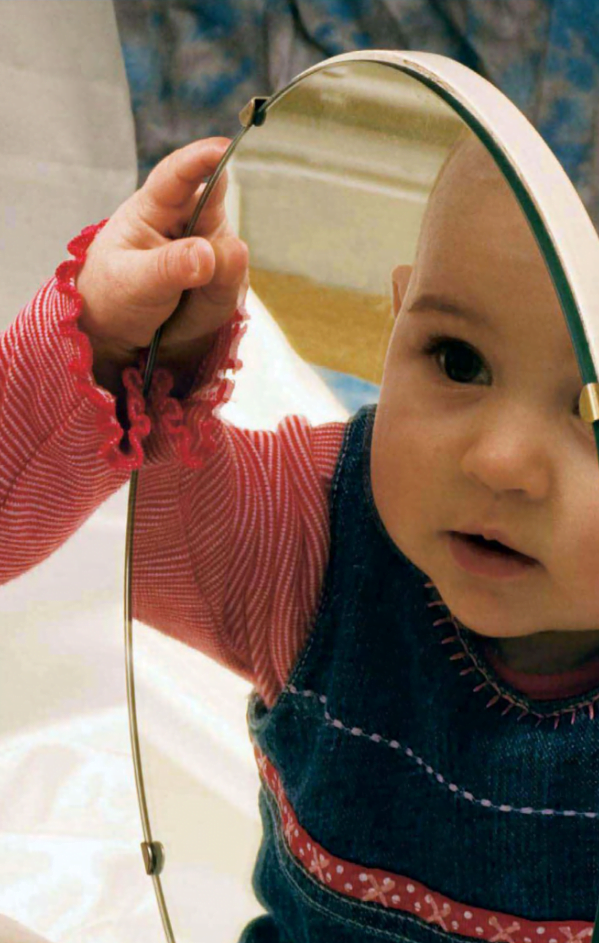
A six-month-old girl examines her reflection. From birth, humans appear to be drawn toward faces.

EVOLUTION

THE DEVELOPMENT of the human brain is written in millions of years of evolution, its story still unfolding.

Neurons began to emerge with the appearance of multicellular animals. The earliest neural connections formed primitive networks of cells in tiny life-forms swimming in primordial oceans. Today, such systems can still be found in simple life-forms such as jellyfish.

SIMPLE BRAINS

Animals with only the barest collection of neurons can function with surprising sophistication. The marine snail Aplysia has only about 2,000 neurons, yet it is capable of movement, reaction to touch, sensation, and all of the things that make a snail live like a snail. It even can learn despite lacking a true brain. Aplysia’s neurons organize themselves into clumps called ganglia at various points on its tiny body, creating a maze of connections. These neural clumps can amplifY or tamp down electrochemical signals as they pass from neuron to neuron; its neural connections can be strengthened or weakened just as in human brains. Scientists have found that when they shock Aplysia’s tail, it reacts by reflexits neural network contracts the affected flesh to pull it away from the source of the shock. However, things get interesting when the shock is preceded by a light touch against the snail’s flesh. After a few repetitions, the lowly Aplysia has enough neural complexity to connect the two sensa- tions: touch, followed by pain. In time, the light touch alone, with no electric shock afterward, is enough to make the snail recoil as if in pain.

An octopus’s brain is dime size, but it can solve simple problems such as moving barriers to get food.

CHARLES DARWIN

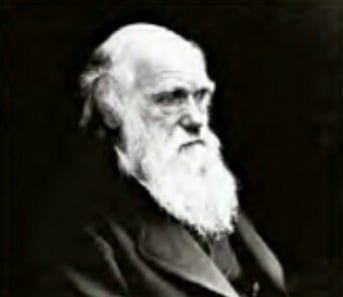
CHARLES DARWIN KNEW he had opened a tinderbox when he published On the Origin of Species in 1859. He laid out a theory of evolution through natural selection: Individuals that have a biological advantage are more likely to outlive their peers and pass their edge to offspring. A gazelle that is a bit faster than another may outrun the lion and breed fast children the next day. Cuidado, Darwin wrote in his notebook, using the Spanish for “careful.” Taken toits logical conclusion, even humans fell under his theory-an idea Darwin down-played at first because he knew it would be unpopular.

THE ENDOCRINE SYSTEM

THE ENDOCRINE SYSTEM 

The nervous system isn’t the only method by which the brain controls the body and maintains homeostasis. The direct, electrochemical means by which the nervous system collects information from stimuli and then formulates responses is augmented by the endocrine system, which works with the nervous system to regulate the body’s cells. The autonomic nervous system responds to changes in the body’s dynamic balance by releasing electrochemical impulses to the body’s endocrine organs. These include the testes and ovaries, pancreas, adrenal glands atop the kidneys, thymus and parathyroid glands, and three glands in the brain: the pineal, hypothalamus, and pituitary.

Endocrine glands respond to the nervous system’s orders by releasing hormones into the bloodstream. Hormones (from the Greek for “to excite”) bind to specific cell recep- tors and affect virtually every cell in the body. For example, instructions from the brain, given at the proper time, order the endrocrine glands to release the hormones responsible for sexual development to trigger puberty at adolescence. Other hormones maintain the body’s balance of energy, keep the blood’s supply of electrolytes in balance, and muster the immune defenses against infection. The nervous system and the endocrine system share a special relationship, as their functions can seem intricately intertwined.

Abnormal neuronal firing causes intense electrical activity of frontal lobe epilepsy.

FOR A HEALTHY BRAIN, good foods are a key part of optimizing your brain’s performance. Here are some foods your brain will welcome:

  • Fresh fruits and vegetables. These include blueberries, leafy vegetables, broccoli, and cauliflower. They contain high amounts of acetylcholine and useful vitamins. Certain vitamins, notably vitamins C and E, and beta-carotene, a precursor to vitamin A, act as antioxidants. They neutralize destructive molecules and atoms known as free radicals, which damage brain cells by stealing electrons from cellular molecules or atoms.
  • Unsalted nuts. Their omega-3 fats help keep the brain and nervous system healthy. Neurons require fats in their myelin sheaths to function properly.
  • Fish. It’s a better source of proteins than high-fat meat, and it’s another source of omega-3 fats.
  • Chicken without the skin and lean meats. Protein in the meat helps build tissue and supply the amino acids that form neurotransmitters .
  • Fruit juice. It’s a natural source of beneficial vitamins, including antioxidants. Be sure to drink plenty of water, too, to keep your brain and body hydrated .
  • Small amounts of alcohol, such as one glass of wine a day. This may increase blood flow to the brain and lower the risk of strokes .
  • Small amounts of caffeine. It activates the cerebral cortex and helps release the neurotransmitter epinephrine .
  • Pasta, cereal, and bread. They contain carbohydrates for energy as well as being rich in serotonin.

EPILEPSY : THE ELECTRICAL STORM IN THE BRAIN

Epilepsy is an ancient disease that has fascinated and frightened scientists and laymen alike. Before we acquired a working knowledge of the central nervous system, seizures were shrouded in mystery. In antiquity, the disease was accredited to gods and demonic possession, causing those with epilepsy to be feared and isolated. Epilepsy patients continued to face discrimination through the mid-20th century. This discrimination ranged from lack of access to health insurance, jobs, marriage inequality, and even forced sterilizations. Despite the strides that have been made, there are still many misconceptions globally regarding epilepsy. While there has been substantial progress, more work needs to be done to educate people across the globe about the pathology of the disease, its causes, and mechanisms. Studies show that patients with epilepsy living in communities that understand the pathology and cause of seizures are generally more successful in social and educational environments. In this book, beyond current treatments that may include anti-epileptic drugs (also called anti-seizure medications), neurosurgery, neuro-stimulation, lifestyle modifications, and dietary changes, I ( Author ) will discuss the recent modalities of gene therapy, immunotherapy, and neutrophil therapy, and will outline more advanced research options, some of which remain to be pursued. I ( Author ) will also posit that the root cause of epilepsy is an autoimmune disease that had gone rogue, damaging the brain’s normal functions and leading to neurodegenerative diseases, including epilepsy. Under this theory, the seizures are but the symptoms of that disease. Brain function being highly non-linear, it is not too surprising that anti-seizure/anti-epileptic drugs that assume a linear brain function have been only partly successful. In all these endeavors, the well-being of the patient is foremost, and that is why I ( Author ) will also include suggestions, recommendations, and available supporting resources for patients and their caregivers, how they can live and cope with their epilepsy, and what they can do about it.

EPILEPSY : THE ELECTRICAL STORM IN THE BRAIN

About the Author

DR. ALAIN L. FYMAT is a medical-physical scientist and an educator. He is the current President/ CEO and Institute Professor at the International Institute of Medicine & Science with a previous appointment as Executive Vice President/Chief Operating Officer and Professor at the Weil Institute of Critical Care Medicine, California, U.S.A. He was formerly Professor of Radiology, Radiological Sciences, Radiation Oncology, Critical Care Medicine, and Physics at several U.S. and European Universities. Earlier, he was Deputy Director (Western Region) of the U.S. Department of Veterans Affairs (Office of Research Oversight). At the Loma Linda Veterans Affairs Medical Center, he was Scientific Director of Radiology, Director of the Magnetic Resonance Imaging Center and, for a time, Acting Chair of Radiology. Previously, he was Director of the Division of Biomedical and Bio-behavioral Research at the University of California at Los Angeles/Drew University of Medicine and Science. He was also Scientific Advisor to the U.S. National Academy of Sciences, National Research Council, for its postdoctoral programs tenable at the California Institute of Technology and Member of the Advisory Group for Research & Development, North Atlantic Treaty Organization (NATO). He is Health Advisor to the American Heart & Stroke Association, Coachella Valley Division, California. He is a frequent Keynote Speaker and Organizing Committee member at several international scientific/medical conferences. He has lectured extensively in the U.S.A., Canada, Europe, Asia, and Africa. He has published in excess of 525 scholarly scientific publications and books. He is also Editor-in-Chief, Honorable Editor or Editor of numerous medical/scientific journals to which he regularly contributes. He is a member of the New York Academy of Sciences and the European Union Academy of Sciences, a board member of several institutions, and a reviewer for the prestigious UNESCO Newton Prize, United Kingdom National Commission for UNESCO.

MAPPING SEIZURES [ DELICATE BALANCE – THE NERVOUS SYSTEM ]

MAPPING SEIZURES [ DELICATE BALANCE – THE NERVOUS SYSTEM ]

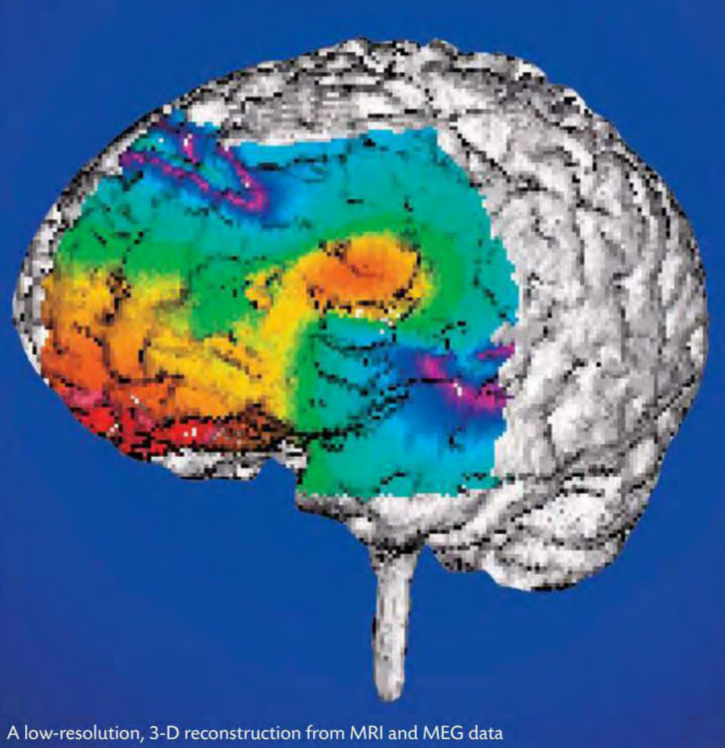
Seizures may occur in any part of the brain; their point of origin often can be mapped. Some occur as a result of lesions in specific domains. Nineteenth-century doctor John Hughlings Jackson, an aloof but meticulous researcher, posited that lesions would produce two effects. He based this belief on the idea that most of the neurotransmitters in the brain at any given moment inhibit action. A minority of neurons at anyone time release neurotransmitters that bind to receptors. Others do nothing. Thus, Jackson said lesions would produce negative reactions because of the destruction of brain tissue. However, they also would have the opposite reaction of freeing other, healthy areas of the brain, which previously had been suppressed.

Four ions-sodium, potassium, calcium, and chloride-regulate electrical charges in synapses.

The minus and plus aspects of brain damage appeared to match the observed effects of a brain tumor in a teenage girl named Bhagawhandi in the 1970s. A neuroscientist who observed the girl diagnosed a malignant brain tumor. As the tumor grew to press on her temporal lobe and her brain started to swell, she suffered a series of seizures. They grew more frequent. However, whereas her initial seizures were intense grand mal convulsions, her new manifestations, localized in the temporal lobe, were weaker. She began experiencing dreamy states in which she saw visions of her home in India. Far from being unpleasant, they made her happy-“They take me back home,” she said. She remained peaceful and lucid during her episodes. The seizures killed her in a few weeks, but doctors often noted the rapt expression on her face as she moved deeper into her visions. Only a few diseases of the central nervous system produce pleasure. Anything that pushes the brain out of homeostasis is more likely to bring pain and discomfort to the body.

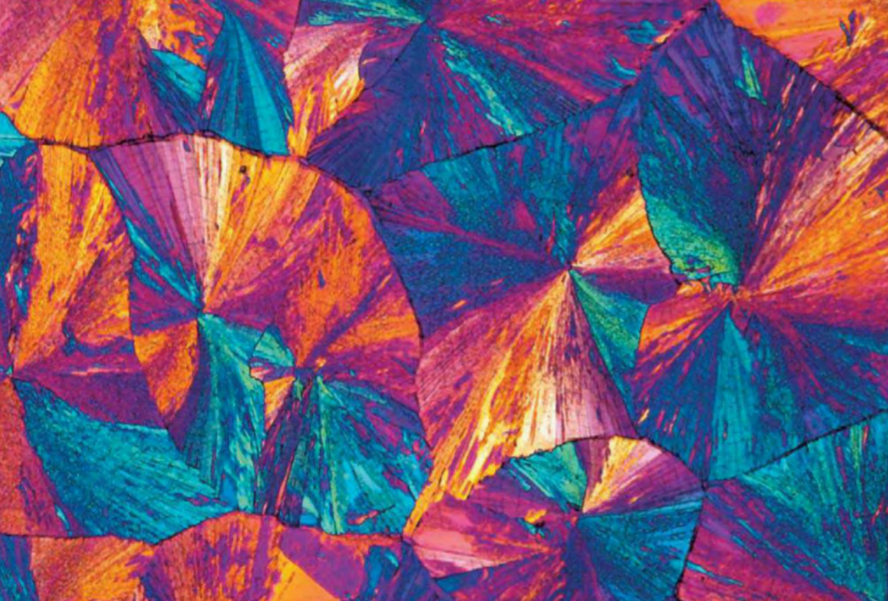
A photomicrograph of L-dopa, suggestive of an abstract painting, hints at the complex world of neurochemistry.

The beauty of L-dopa lay in aseemingly simple but startling idea for treatment: If the neurons’ ability to make dopamine had dramatically decreased, why not merely supplement the supply of the drug in the brain? Not only did L-dopa help the encephalitis lethargica patients, it also became a popular treatment for a far more common disease, Parkinson’s disease, marked by muscle rigidity and loss of motor control.

Despite its ability to ease suffering, though, L-dopa is no “magiC bullet,” no magic cure. Sacks’s patients began relapsing into their former patterns of tics and frenzies. Parkinson’s sufferers also found that over time, L-dopa lost some of its power to help them. Still, the tangible results of L-dopa treatments have encouraged neuroscientists to seek the right combination of medications to restore balance to brain chemistry for a variety of illnesses.

SEIZURES [ DELICATE BALANCE – THE BRAIN’S EQUILIBRIUM ]

SEIZURES [ DELICATE BALANCE – THE BRAIN’S EQUILIBRIUM ( THE NERVOUS SYSTEM ) ]

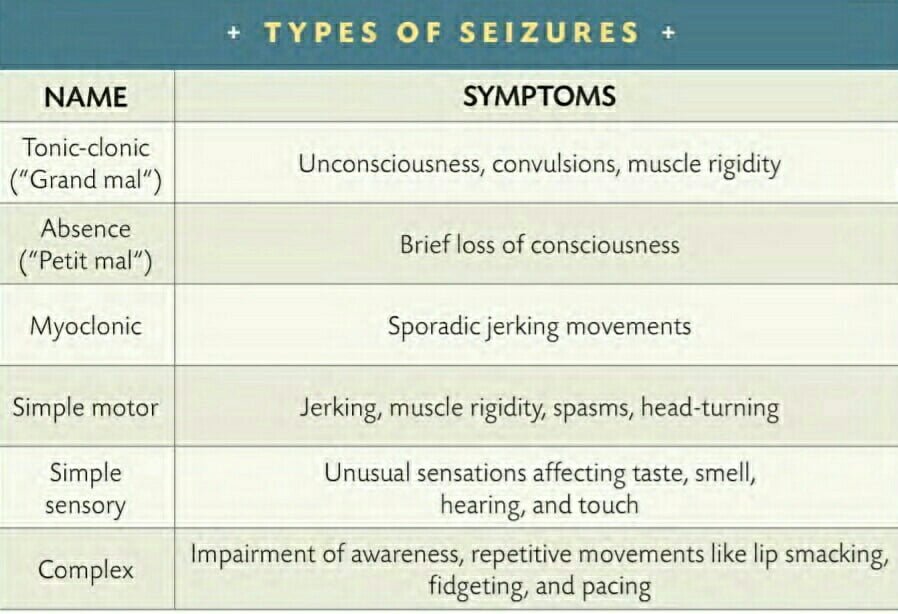
Abnormal electrical activity in the brain produces seizures, which have a broad range of manifestations. Some are so minor that they may occur unnoticed, while others can cause violent spasms and convulsions. Victims may even lose consciousness. They can be a one time event or occur frequently.

A number of things can cause seizures: Serious conditions like strokes, brain tumors, and severe head injuries can generate them, as well as other seemingly harmless things like bright, rapidly flashing lights and low blood sugar.

TYPES OF SEIZURES

There are two general types of seizures: generalized and partial. Generalized seIZures involve both sides of the brain from the beginning of an episode while partial seizures begin in specific regions of the brain and may spread to the entire brain. Generalized seizures have several subtypes, from tonicclonic seizures (formerly known as grand mal) to absence seizures (also known as petit mal).

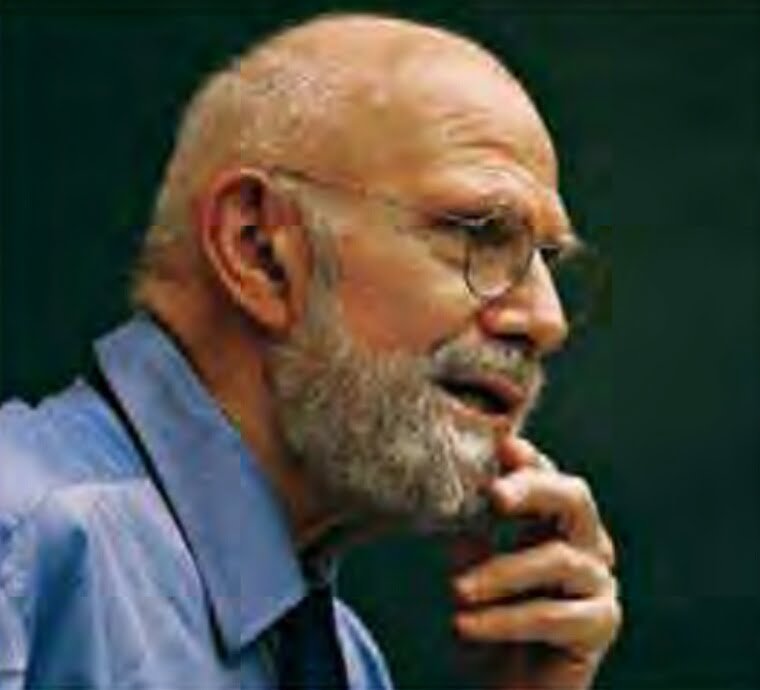
Oliver Sacks

FIRST THEY felt hyperactive and frenzied. Then their body motions became more violent, and they would twitch and convulse. Finally, they fell into a deep trance. And there they remained, these sufferers of the disease encephalitis lethargica, until neuroscientist Oliver Sacks found them in the 1960s-40 years later. As depicted in the movie Awakenings (1990), Sacks gave them L-dopa, which the brain transforms into dopamine. The dopamine levels in the postencephalitic patients had been greatly diminished by their disease. The patients woke up from their stupor, and health seemed to be restored to them.