Khyber Pakhtunkhwa and Balochistan
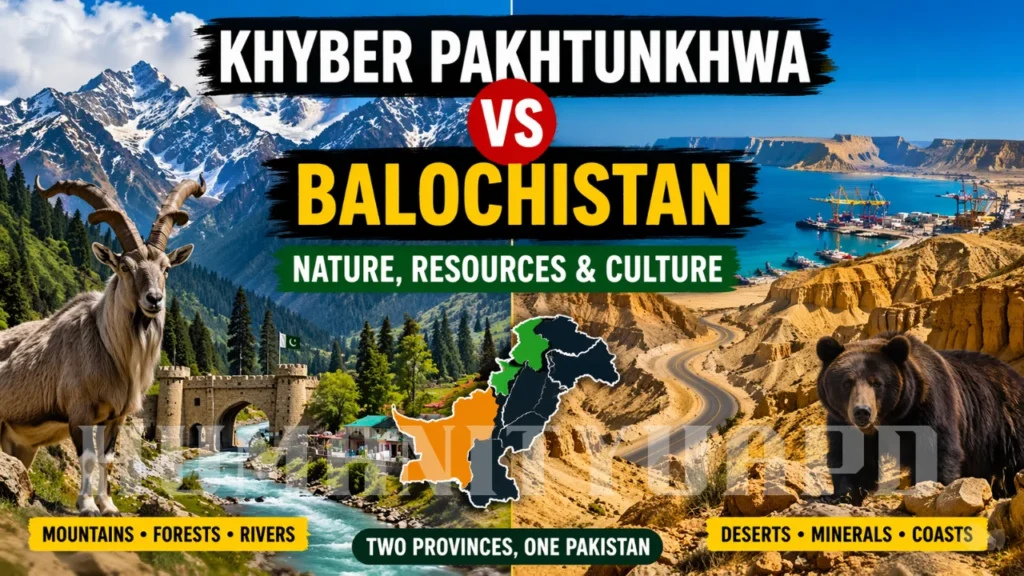
Khyber Pakhtunkhwa and Balochistan are two significant provinces of Pakistan, each endowed with its unique geographical and cultural characteristics. Khyber Pakhtunkhwa, located in the northwest of the country, is bordered by Afghanistan to the west and the northern regions of Pakistan to the east. This province is known for its mountainous terrain, which is part of the larger Himalayan range, contributing to its rich biodiversity and scenic landscapes. Balochistan, on the other hand, occupies the southwestern part of Pakistan and is the largest province in terms of land area, characterized by its rugged terrain, desert regions, and mountainous landscapes.
The historical significance of these provinces cannot be understated. Khyber Pakhtunkhwa boasts a rich heritage, having been a crucial route for trade and cultural exchanges between the Indian subcontinent and Central Asia. Meanwhile, Balochistan plays an equally vital role, with its strategic location connecting South Asian and Middle Eastern economies. Both provinces are home to various ethnic groups and languages, contributing to the cultural tapestry of Pakistan.
This blog post aims to provide a science-based overview of Khyber Pakhtunkhwa and Balochistan, exploring not only their geographical features but also their natural resources, ecological zones, and environmental challenges. Through a scientific lens, we will examine how these elements interact with human activities and impact the socio-economic development of the regions. The significance of understanding the scientific aspects of these provinces is underscored by their role in national progress and sustainability. By delving into the unique characteristics and the ecological importance of Khyber Pakhtunkhwa and Balochistan, we hope to foster a deeper appreciation for these two distinct yet complementary regions of Pakistan.



You must be logged in to post a comment.