Tag Archives: india
Sonagachi | Kolkata (India) | Red Light District (2026)
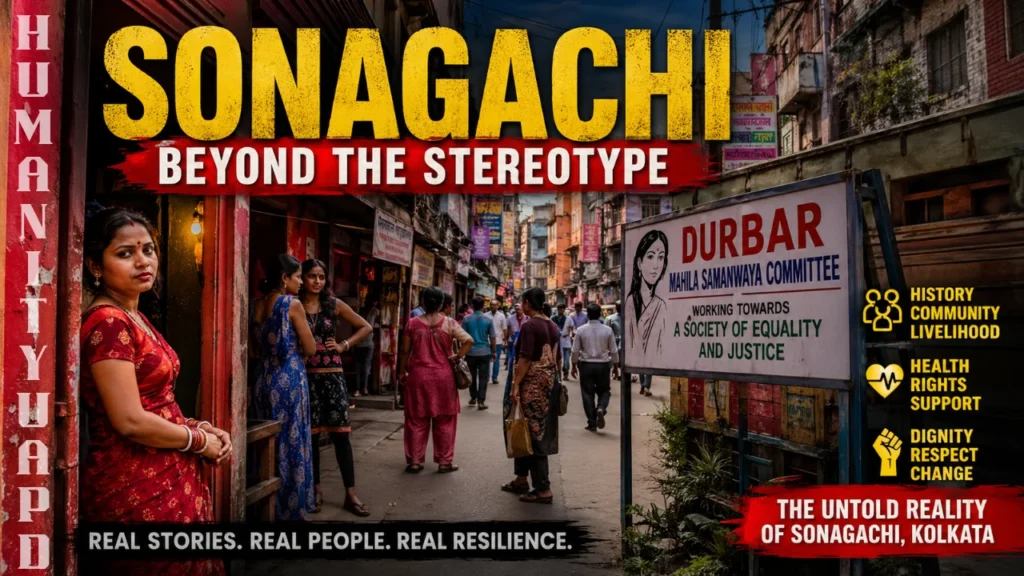
Sonagachi
Sonagachi is a neighborhood located in the northern part of Kolkata, India, and is often recognized as one of the largest red-light districts in Asia. This area is situated in the Bhawanipur division, close to the iconic Shraddhanjali Park, and is bordered by well-known roads and residential areas. Historically, Sonagachi has roots that trace back to the late 19th century when Kolkata emerged as a significant urban center during British colonial rule. The district has since evolved from a simple locality into a complex socio-economic zone, which is essential to understanding its characteristics today.
The evolution of Sonagachi into a prominent red-light district is closely linked to the migration patterns and social dynamics throughout the years. In the early 20th century, an influx of people, primarily women, seeking economic opportunities for survival led to the establishment of brothels in the area. The name “Sonagachi” itself is derived from Bengali, meaning ‘golden gache’, which connotes both its socioeconomic histories and its darker undertones. Over time, the district has garnered attention not only for its commercial activities but also for the challenges and controversies it embodies, particularly regarding sex work and human rights.
Moreover, Sonagachi has become a focal point for various socio-cultural and public health programs, aiming to improve the lives of sex workers and their families. Organizations and activists have sought to address issues such as health, education, and empowerment, indicating a shift towards a more nuanced perspective on sex work in the region. The complex tapestry of Sonagachi—intertwining history, culture, and social justice—lays the groundwork for further exploration into its present state and the numerous factors that contribute to its unique identity amidst modern challenges.




Sindh and Punjab FULL Breakdown 🇵🇰 Culture, History & Economy Explained

Sindh and Punjab
Sindh and Punjab are two prominent provinces in Pakistan, each with its distinct geographical, cultural, and demographic attributes. Situated in the southeastern and eastern parts of Pakistan respectively, these provinces offer a rich tapestry of history, heritage, and diversity that considerably contributes to the nation’s identity.
Sindh, bordered by the Arabian Sea to the south, is known for its arid climate and sprawling desert landscapes, interspersed with major river systems like the Indus River. This river not only nourishes the land but is also central to the culture and livelihood of the Sindhi people. Sindh is distinguished for its historical significance; it is home to the ancient Indus Valley Civilization, which thrived around 2500 BCE. Major urban centers within Sindh include Karachi, Pakistan’s largest city and a vital economic hub, and Hyderabad, known for its rich cultural heritage.
In contrast, Punjab is endowed with fertile plains and a diverse agricultural economy. Bordered by the River Sutlej to the south, it is the most populous province in Pakistan, housing a significant portion of the country’s population. Punjab’s capital, Lahore, is recognized as a cultural capital of Pakistan, reflecting a blend of modernity and tradition. The region is noted for its vibrant festivals, music, and art forms which underscore its cultural significance. The demographic landscape of Punjab is predominantly made up of Punjabis, but it is also home to various ethnic groups, contributing to a mosaic of linguistic and cultural diversity.
Both Sindh and Punjab serve as vital regions within Pakistan, not only due to their economic outputs but also because of their cultural richness and historical legacy. Understanding the unique characteristics of these provinces is essential for appreciating the broader cultural and social framework of Pakistan.



You must be logged in to post a comment.