The Middle East
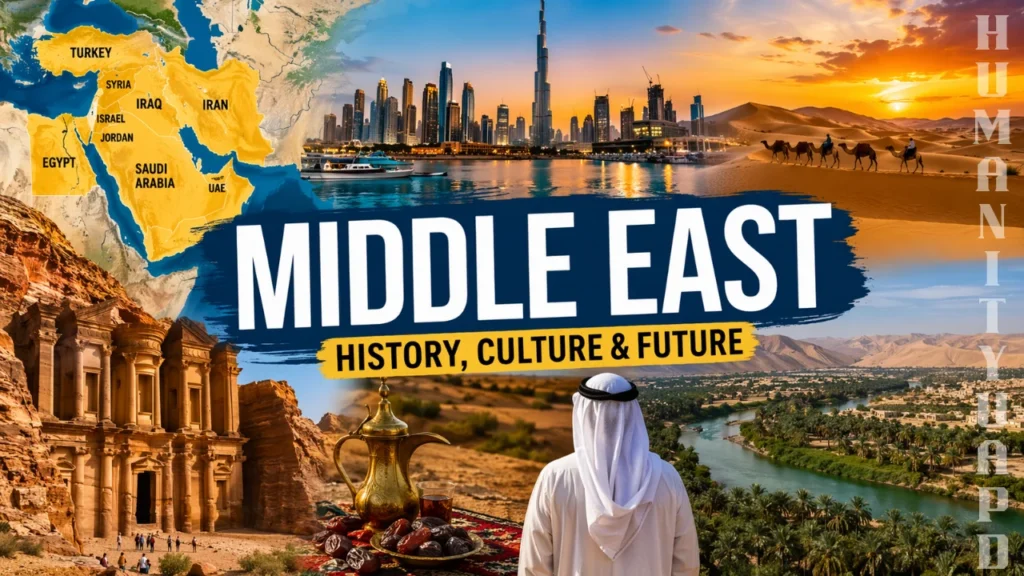
The Middle East is a region that holds a remarkable position in the world, geographically and historically. Stretching from the eastern Mediterranean Sea to the Persian Gulf, and encompassing parts of North Africa and Central Asia, this area is characterized by its vast deserts, fertile valleys, and significant waterways such as the Nile and Tigris-Euphrates rivers. The Middle East is often defined politically by the borders of its nations, which include countries like Saudi Arabia, Iran, Iraq, Egypt, Israel, and Turkey, among others.
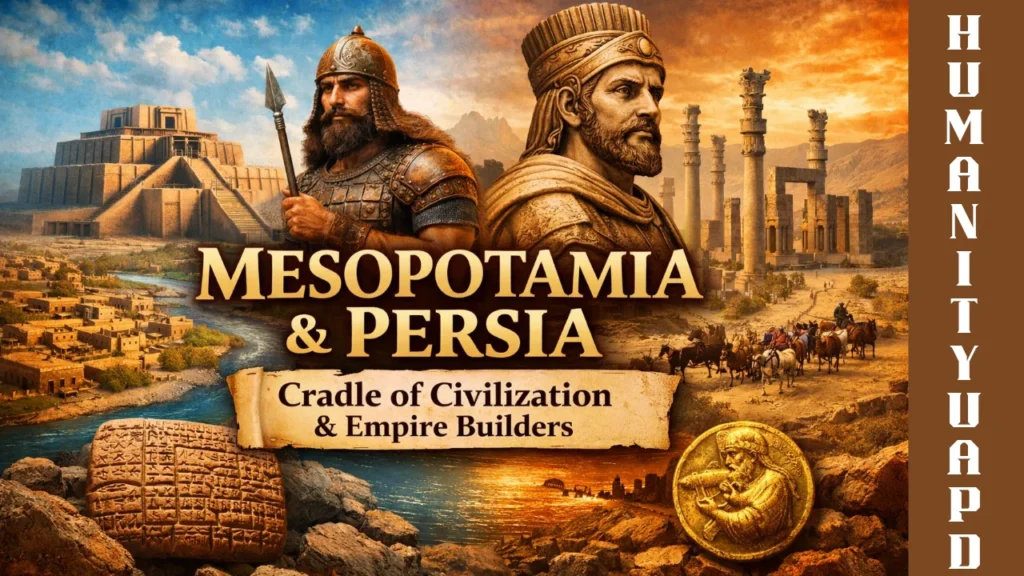
The significance of the Middle East extends beyond its geography; it is often referred to as the cradle of civilization due to its historical contributions to human development. The region has been a melting pot of diverse cultures, languages, and religions for centuries, including Islam, Christianity, and Judaism, each playing a vital role in shaping the social fabric. The crossroads nature of the Middle East has facilitated trade routes since ancient times, making it a hub for economic exchange and cultural interactions.
In modern times, the Middle East continues to be economically significant due to its abundant natural resources, primarily oil and natural gas, which have shaped global energy markets. However, the region’s diverse economies also include agriculture, tourism, and finance, contributing to its complex and multifaceted identity. The geopolitical landscape of the Middle East is marked by both collaboration and conflict, influencing international relations and global policies. Therefore, understanding the intricate tapestry of the Middle East is crucial for appreciating its role on the world stage, as this region continues to evolve amidst changing cultural, economic, and political dynamics.






You must be logged in to post a comment.