Tag Archives: Society
Exploring Nightlife Culture in Vibrant Cities

If you could change the ending of any book, which one would it be?
Community


Sex Workers | Truth and Realities (2026)


Sex Workers: Understanding the Complexity (2026)

Sex Workers
Sex workers are individuals who engage in sexual activities in exchange for monetary compensation or goods. This definition encompasses a broad spectrum of activities and individuals, reflecting the complex nature of sex work. It is crucial to distinguish between sex workers and the general concept of sex work, as not all individuals involved in sex work conform to traditional categories. Sex workers can be categorized into several groups, each exhibiting different practices and experiences.
Categories of sex workers include, but are not limited to, escorts, street-based sex workers, and those involved in the adult film industry. Each category presents unique challenges and societal perceptions. For instance, escorts may operate independently, often advertising their services online or in private venues, while street-based sex workers may face higher risks due to their visibility and vulnerability in public spaces.
Furthermore, the distinction between voluntary and coerced sex work is essential in understanding the diversity within this population. Voluntary sex workers choose their profession for various reasons, such as financial independence or personal choice. In contrast, coerced sex workers may be subjected to exploitation, trafficking, or circumstances that limit their autonomy, raising concerns about human rights violations. Acknowledging this diversity is vital for the broader conversation about sex work and the systemic issues surrounding it, including legal, social, and health-related aspects.
Understanding the varied definitions and categories of sex workers allows for a more nuanced discourse on the subject. Recognizing the lived experiences of sex workers is essential for informing policies and fostering a societal understanding that respects their autonomy and acknowledges their diverse realities.


Global Humanitarian Crises: Key Issues, Impacts & Solutions (2026 Guide)
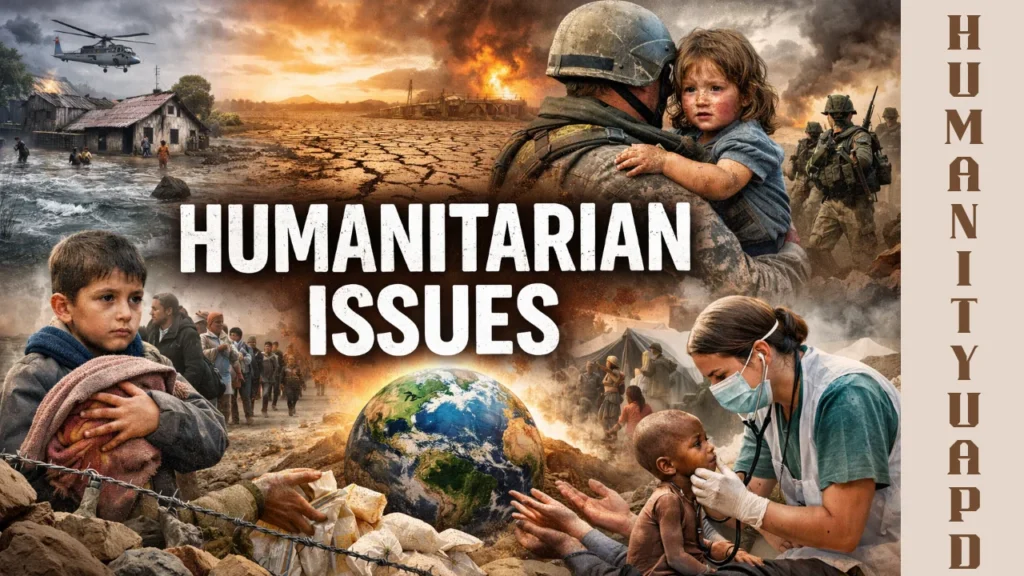
Humanitarian Issues
Humanitarian issues encompass a wide range of challenges and crises that impact human life and dignity, often demanding urgent responses from the global community. At the heart of humanitarianism lies the commitment to alleviate suffering, protect human rights, and provide assistance to individuals and communities facing distressing circumstances. The term “humanitarian” generally refers to actions that prioritize human welfare, particularly in times of conflict, natural disasters, and social upheaval.
Humanitarian crises can be defined as urgent situations in which large groups of people are unable to meet their basic needs due to factors such as armed conflict, environmental disasters, disease outbreaks, or systemic poverty. Such crises often lead to significant loss of life, displacement of populations, and long-term societal disruptions. Therefore, a clear understanding of these issues is crucial for developing effective strategies and interventions. By identifying the root causes and manifestations of humanitarian crises, stakeholders can mobilize resources and design evidence-based interventions that target the specific needs of affected populations.
Addressing humanitarian issues requires a multi-faceted approach, integrating insights from various disciplines such as medicine, social sciences, and public policy. This science-based perspective is essential for ensuring that responses are not only timely but also tailored to meet the complex realities faced by vulnerable populations. Moreover, employing a scientific lens fosters accountability and transparency in humanitarian actions, offering a framework for evaluating their effectiveness and impact.
As we delve deeper into the intricacies of humanitarian issues, it is vital to remain informed about the evolving landscape and the diverse factors contributing to crises worldwide. This post will explore the definitions, implications, and responses to humanitarian challenges, with an emphasis on the importance of evidence-based approaches in alleviating human suffering.



Which aspects do you think makes a person unique? 2026 – HUMANITYUAPD
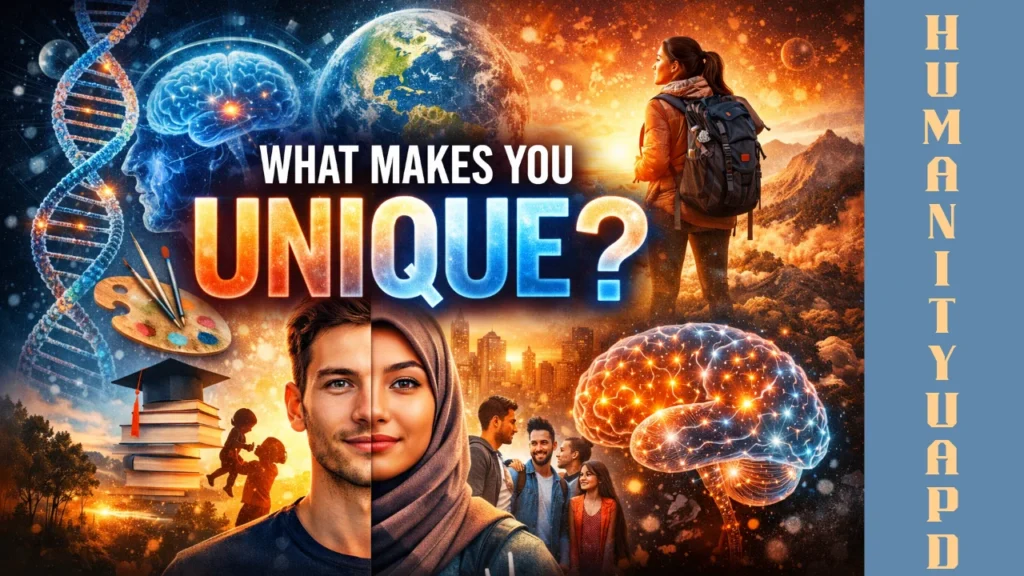
Which aspects do you think makes a person unique?
The concept of uniqueness refers to the distinct characteristics that set an individual apart from others. This notion has garnered significant interest across various
scientific disciplines, as researchers seek to unravel the complex tapestry of factors that contribute to an individual’s distinct identity. Psychology, genetics, and neuroscience are key fields that illuminate the multifaceted nature of human uniqueness.
In psychology, the study of personality traits has been instrumental in understanding how individual differences are formed. Personality theories, such as the Big Five model, help to categorize traits that influence behavior, emotions, and thoughts, illustrating how each person can express these traits in unique ways. Furthermore, cultural psychology emphasizes the role of cultural contexts in shaping individual behaviors and beliefs, suggesting that one’s environment significantly contributes to the uniqueness of a person.
Genetics also plays an essential role in defining individuality. Recent advancements in genetics reveal how hereditary factors influence personality, intelligence, and even predispositions toward certain behaviors or disorders. Moreover, the study of epigenetics has brought forth the understanding that environmental factors can affect gene expression, leading to significant differences among individuals, even among those with similar genetic backgrounds.
Neuroscience adds another dimension by examining the brain’s structure and functionality as a foundation for individual differences. Brain imaging technologies allow scientists to explore how variations in neural pathways and brain regions correlate with diverse cognitive abilities and emotional responses. Ultimately, these scientific insights provide a deeper comprehension of what makes each person unique.
Daily writing prompt
What are your morning rituals? What does the first hour of your day look like?


You must be logged in to post a comment.