
Answer This Question?
What’s something you used to believe as a kid that seems ridiculous now?
Answer This Question?

Software as a Service (SaaS) represents a cloud computing model that enables users to access software applications over the Internet. Instead of being installed on individual computers or servers, SaaS solutions are hosted on remote servers maintained by service providers. This distinction brings numerous advantages such as reduced upfront costs, automatic updates, and the ability to access applications from any device with an Internet connection.
The fundamental technology underlying SaaS applications comprises cloud infrastructure and software architecture designed for web deployment. The SaaS model utilizes multi-tenancy, meaning that a single instance of the application serves multiple users or organizations. This not only optimizes resource use but also facilitates scalability, allowing businesses to adjust their subscription based on fluctuating needs. Users typically pay for SaaS products on a subscription basis, which can range from monthly to yearly payments, making it financially viable for individuals and organizations alike.
Key characteristics differentiate SaaS from traditional software delivery models. Firstly, SaaS eliminates the need for complex installations and ongoing maintenance, as the service provider is responsible for these tasks. This contrasts with conventional software, which often requires significant investment in hardware and IT support. Secondly, SaaS applications offer robust collaboration features that enable teams to work together seamlessly, sharing documents and data in real-time, regardless of their physical locations. Finally, the regular updates provided by the service providers ensure that users always have access to the latest features and security improvements without the need for manual installations.
In summary, Software as a Service is a transformative approach to software delivery that leverages cloud technology, offers scalability, and enhances collaboration, representing a significant evolution in the software landscape.


Google Workspace, formerly known as G Suite, is a comprehensive suite of cloud-based productivity and collaboration tools developed by Google. This powerful toolkit is designed to enhance the efficiency and effectiveness of businesses of all sizes, from small startups to global enterprises. The shift from G Suite to Google Workspace is marked by an integration-driven approach, aimed at providing an intuitive and seamless user experience.
Central to Google Workspace are its core applications, each crafted to address a variety of workplace needs. Gmail, the widely-used email service, offers robust communication capabilities with a user-friendly interface. Google Drive, a cloud storage solution, provides ample space for file management, sharing, and collaboration. Google Docs, Sheets, and Slides are versatile tools for creating documents, spreadsheets, and presentations, respectively, allowing for real-time collaboration and version control.
In addition to these essential tools, Google Workspace includes several other applications that contribute to a well-rounded productivity environment. Google Calendar assists with scheduling and time management, ensuring that team members can coordinate effectively. Google Meet and Chat facilitate seamless communication through video conferencing and instant messaging. Furthermore, Google Forms simplifies the creation of surveys and questionnaires, while Google Sites aids in building and maintaining internal websites.
For businesses, Google Workspace’s flexibility and scalability are particularly beneficial. Its array of plans and pricing tiers allows organizations to customize their subscriptions based on specific needs and growth stages. Additionally, Google Workspace’s integration with third-party applications and its robust security measures provide peace of mind, ensuring that business data remains protected.
Altogether, Google Workspace stands as an essential suite for modern businesses, promoting collaboration, productivity, and innovation. With its dynamic range of tools and features, it equips teams with the resources they need to operate efficiently and achieve their goals.

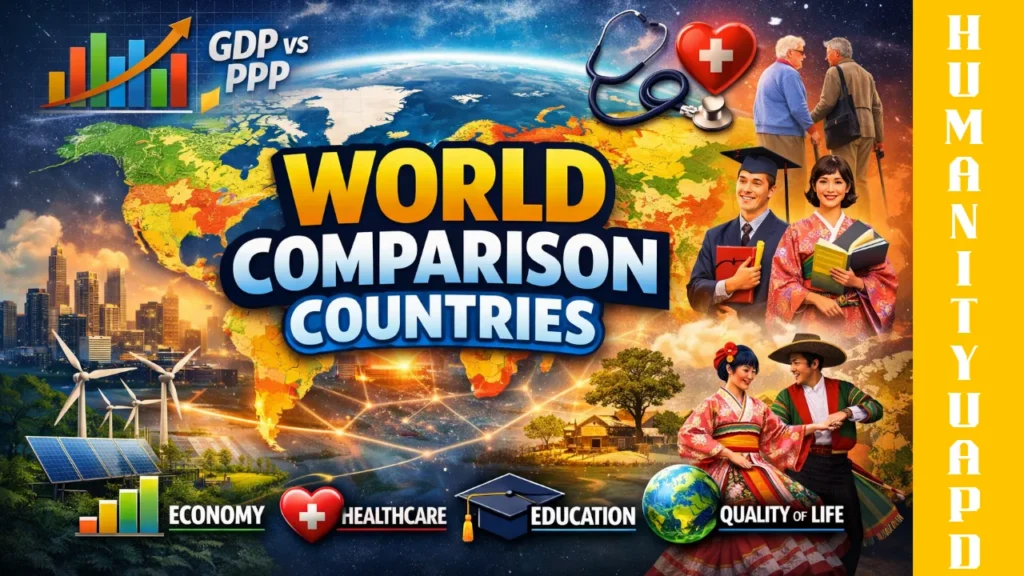
In the contemporary world, the systematic comparison of countries has become increasingly relevant. Such comparisons are bolstered by scientific methods and data-driven assessments, enabling us to gain a deeper understanding of the differences and similarities between nations. By employing statistical data, we can evaluate a variety of domains including economy, education, healthcare, and cultural diversity. This approach not only provides insights into national performance but also highlights the interdependencies that exist in our global community.
One key aspect of comparing countries scientifically is the ability to utilize empirical data to draw conclusions. For instance, comparing economic indicators—such as GDP, employment rates, and income distribution—across countries reveals stark differences in development levels and wealth distribution. These comparisons can guide policymakers to target specific areas for improvement, ultimately enhancing their country’s economic stability and growth.
Similarly, in education, statistical assessments such as literacy rates, enrollment ratios, and student outcomes can reveal the effectiveness of various educational systems. By understanding these metrics, countries can learn from each other’s successes and failures, paving the way for improved educational policies and practices.
Healthcare is another critical area for scientific comparison. Data regarding life expectancy, access to healthcare services, and public health outcomes illuminate societal health disparities. By analyzing these factors, nations can identify the strengths and weaknesses of their healthcare systems and implement evidence-based reforms.
Ultimately, the relevance of global comparisons cannot be overstated. Statistical data not only facilitates a clearer understanding of national characteristics but also informs international cooperation and development strategies. As we delve into various countries’ profiles, scientific comparisons will reveal the complexities within global dynamics, paving the way for more informed discussions and potential solutions to shared challenges.

The ‘Too Many Attempts Try Again Later’ error is a common message encountered by users across various digital platforms. This issue typically arises when a system detects an excessive number of attempts made to access a resource, such as a file, application, or account. Understanding the underlying reasons for this error is crucial for both users and developers as it signifies protective measures in place designed to ensure system integrity and security.
One primary cause of this error is server overload. During peak usage times, a server may receive more requests than it can handle, leading to throttling mechanisms that restrict user access temporarily. These measures are essential for maintaining server performance and preventing crashes due to an influx of simultaneous requests. Platforms implement such limits to ensure that all users experience a reasonable level of service, especially during high-traffic situations.
Another contributing factor to the ‘Too Many Attempts’ error is rate limiting, which is a practice adopted by various online services. Rate limits are designed to control the number of requests a user can make to an application or website over a specified time period. This technique helps thwart malicious activities, such as brute-force attacks where attackers attempt to crack passwords by making numerous login attempts in a short time frame. The intention behind imposing these limits is to safeguard user data and ensure security across the platform.
User behavior patterns can also trigger this error. For instance, repeatedly refreshing a page, attempting to log in with incorrect credentials, or automating a process without respecting the given limitations can prompt the system to display the error message. Ultimately, this serves as a reminder for users to adhere to specific guidelines during their interactions with digital platforms.

Singapore and China represent two distinct yet influential entities in the global landscape, each characterized by its unique geography, economic strategies, and cultural heritage. Situated in Southeast Asia, Singapore is a city-state known for its strategic geographical position as a global shipping hub. With an area of just 728.6 square kilometers, Singapore is home to approximately 5.7 million residents, fostering a diverse culture that blends Asian and Western influences. The political system of Singapore is a parliamentary republic, exhibiting a stable governance model that has enabled rapid economic growth and infrastructural development.
In contrast, China, the world’s most populous nation, boasts a landmass of approximately 9.6 million square kilometers, housing nearly 1.4 billion inhabitants. It exhibits a vast array of geographical features ranging from mountains to rivers and plains, which contribute to the country’s immense cultural and historical richness. China operates under a single-party socialist republic framework, where the Communist Party of China (CPC) maintains a significant role in shaping policy and governance. This political structure has allowed for sweeping economic reforms, positioning China as the second-largest economy globally.
The economies of Singapore and China have evolved significantly over the years. Singapore’s economy heavily relies on finance, manufacturing, and technology, establishing itself as a global center for commerce and innovation. Meanwhile, China’s economy, with its emphasis on manufacturing and export, has progressed at an astounding pace through state-driven efforts and market reforms, making it a vital player in international trade. Understanding the foundational elements of these two regions is crucial for any analysis of their differing approaches to innovation, economic strategy, and cultural growth.


You must be logged in to post a comment.