Tag Archives: dailyprompt


Global Humanitarian Crises: Key Issues, Impacts & Solutions (2026 Guide)

Humanitarian Issues
Humanitarian issues encompass a wide range of challenges and crises that impact human life and dignity, often demanding urgent responses from the global community. At the heart of humanitarianism lies the commitment to alleviate suffering, protect human rights, and provide assistance to individuals and communities facing distressing circumstances. The term “humanitarian” generally refers to actions that prioritize human welfare, particularly in times of conflict, natural disasters, and social upheaval.
Humanitarian crises can be defined as urgent situations in which large groups of people are unable to meet their basic needs due to factors such as armed conflict, environmental disasters, disease outbreaks, or systemic poverty. Such crises often lead to significant loss of life, displacement of populations, and long-term societal disruptions. Therefore, a clear understanding of these issues is crucial for developing effective strategies and interventions. By identifying the root causes and manifestations of humanitarian crises, stakeholders can mobilize resources and design evidence-based interventions that target the specific needs of affected populations.
Addressing humanitarian issues requires a multi-faceted approach, integrating insights from various disciplines such as medicine, social sciences, and public policy. This science-based perspective is essential for ensuring that responses are not only timely but also tailored to meet the complex realities faced by vulnerable populations. Moreover, employing a scientific lens fosters accountability and transparency in humanitarian actions, offering a framework for evaluating their effectiveness and impact.
As we delve deeper into the intricacies of humanitarian issues, it is vital to remain informed about the evolving landscape and the diverse factors contributing to crises worldwide. This post will explore the definitions, implications, and responses to humanitarian challenges, with an emphasis on the importance of evidence-based approaches in alleviating human suffering.


Mesopotamia and Persia | A Complete Visual Guide

Mesopotamia and Persia
Mesopotamia, often referred to as the “Cradle of Civilization,” is located between the Tigris and Euphrates rivers, primarily in present-day Iraq. This ancient region is notable for being one of the first places where complex urban centers emerged, marking the beginning of significant advancements in human society around 3500 BCE. The key civilizations that thrived in Mesopotamia include the Sumerians, Akkadians, Babylonians, and Assyrians. Each of these societies made substantial contributions to science, mathematics, and writing, with the invention of cuneiform, one of the earliest forms of writing.
Persia, corresponding largely to modern-day Iran, evolved as a significant empire from the 6th century BCE, characterized by its extensive territorial expansion and sophisticated administration under leaders such as Cyrus the Great and Darius I. The Persian Empire became renowned for its innovations in infrastructure, including the construction of roads and the establishment of an efficient postal system. These advancements not only facilitated trade and communication but also enabled a level of administrative organization that influenced subsequent empires.
Both Mesopotamia and Persia played pivotal roles in shaping human history, particularly in scientific domains. They laid the groundwork for mathematics through concepts such as the sexagesimal system, which is still fundamental in measuring time in hours and minutes. Furthermore, the advancements in astronomy and medicine in these regions provided the basis for future studies that would extend throughout the ages.
The enduring legacy of these ancient civilizations continues to resonate today, illuminating the profound impact that Mesopotamia and Persia have had on science, culture, and governance across the globe. Understanding their contributions offers critical insights into the development of human knowledge and society.


Amino Acids Compounds | April 2026 | HUMANITYUAPD

Amino Acids Compounds
Amino acids are organic compounds that serve as the fundamental building blocks of proteins, which are essential for numerous biological processes within the body. Composed of carbon, hydrogen, oxygen, nitrogen, and in some cases, sulfur, amino acids play a crucial role in creating the proteins that are vital for cellular structure, function, and regulation. These compounds facilitate a variety of biochemical reactions, contributing to crucial physiological processes such as metabolism, immune response, and cell signaling.
There are twenty different amino acids, each with distinct properties and functions, classified into two main categories: essential and non-essential amino acids. Essential amino acids cannot be synthesized by the body and must be obtained through dietary sources, while non-essential amino acids can be produced by the body. The nine essential amino acids play significant roles in various bodily functions, including the synthesis of hormones, enzymes, and neurotransmitters that significantly influence mood and cognitive functions.
Amino acids are particularly renowned for their importance in muscle growth and recovery. During physical activity, the muscles experience stress and damage; hence, amino acids aid in repair and rebuilding. Branched-chain amino acids (BCAAs), which include leucine, isoleucine, and valine, are especially critical for athletes, as they have been shown to reduce muscle soreness and support muscle protein synthesis, thus enhancing athletic performance.
Furthermore, amino acids contribute to overall health by supporting the synthesis of neurotransmitters, which regulate mood and mental clarity. Additionally, they encourage effective immune functions by aiding in the production of antibodies. Thus, understanding amino acids is paramount for recognizing their indispensable role in maintaining health and supporting various bodily functions.

Web Analytics | 2026 | HUMANITYUAPD

Web Analytics: Optimizing Online Performance
Web analytics refers to the collection, measurement, and analysis of web data to understand and optimize web usage. In today’s digital landscape, where every interaction can provide critical insights, web analytics plays a vital role in shaping the online strategies of businesses and organizations. The importance of web analytics cannot be understated; it serves as a foundation for understanding user behaviors, tracking website performance, and making informed, data-driven decisions that influence growth and marketing strategies.
By leveraging web analytics tools, companies can gauge how visitors interact with their websites, revealing patterns that may not be immediately apparent. This understanding helps in identifying which areas of the site perform well and which require improvement. Additionally, these insights assist in optimizing user experience, ensuring that visitors can navigate the site seamlessly and find the information they need efficiently.
Furthermore, web analytics enables businesses to monitor the effectiveness of marketing campaigns. By tracking user behavior following specific campaigns, organizations can gauge their return on investment (ROI) and tweak their approaches accordingly. This shift towards data-driven decision-making is essential for staying competitive in a rapidly evolving digital environment.
Choosing the right analytics tool is crucial for extracting meaningful insights. With a multitude of options available, ranging from HPANAL Analytics to Google Analytics, it is important for organizations to evaluate their specific needs carefully. Factors to consider include the size of the business, the level of detail required from the analytics, and the specific goals of the web presence. Ultimately, the right choice can greatly enhance a company’s ability to track performance and influence growth strategies effectively.

High-Calorie Sports Nutrition | April 2026

High-Calorie Sports Nutrition
High-calorie sports nutrition is integral for athletes and active individuals aiming to maximize their performance, endurance, and recovery. The fundamental concept revolves around providing the body with an ample amount of calories to fuel strenuous physical activities, promote muscle growth, and expedite recovery processes. Unlike casual exercisers, athletes often engage in intensive training regimens and competitions that demand significantly higher energy expenditure. Thus, understanding and implementing a high-calorie diet is crucial for maintaining efficacy and achieving peak performance.
A high-calorie sports nutrition plan primarily targets athletes who require increased caloric intake due to their rigorous physical demands. This includes but is not limited to endurance athletes such as marathon runners and cyclists, power athletes like weightlifters and sprinters, and team sport athletes such as football and basketball players. Each of these athletes has unique energy needs based on their specific sport’s intensity and duration, and a well-structured nutrition plan ensures they meet these needs efficiently.
Equally important is recognizing that high-calorie nutrition isn’t merely about increasing one’s food intake. It involves strategically consuming nutrient-dense foods rich in essential macronutrients; carbohydrates for energy, proteins for muscle repair and growth, and fats for sustained energy. Thus, fine-tuning one’s diet to balance these macronutrients is paramount to harnessing the full benefits of a high-calorie strategy.
Ultimately, the goal of high-calorie sports nutrition is to optimize the athlete’s overall physical output and recovery. By prioritizing a tailored high-calorie dietary approach, athletes can enhance their training results, reduce injury risks, and maintain higher energy levels throughout their activities. As we explore further into this subject, we will delve into specific dietary plans, food choices, and timing strategies that contribute to a successful high-calorie sports nutrition regimen.
Daily writing prompt
If you could be a character from a book or film, who would you be? Why?


Attention Deficit Hyperactivity Disorder (ADHD) | 2026

What is Attention Deficit Hyperactivity Disorder (ADHD)?
Attention Deficit Hyperactivity Disorder (ADHD) is a neurodevelopmental condition characterized by a persistent pattern of inattention, hyperactivity, and impulsivity that interferes with functioning or development. ADHD is typically diagnosed in childhood; however, its symptoms can persist into adulthood. As such, its characteristics can present differently depending on the age of the individual. In children, symptoms often manifest as an inability to focus on tasks, excessive fidgeting, difficulty following instructions, and interruptions in class activities. These behaviors may lead to challenges in academic settings and social interactions.
For adults, ADHD symptoms can evolve and may include difficulties in prioritizing tasks, managing time, maintaining attention during conversations, and organizing responsibilities effectively. Adults may also experience forgetfulness and a tendency to lose items frequently. The impulsive aspect of ADHD might lead to hasty decision-making, which can impact personal relationships and professional life. It is crucial to recognize that ADHD exists on a spectrum, and its intensity can vary significantly among individuals.
Diagnosis of ADHD typically involves a comprehensive evaluation by a healthcare professional, which includes clinical interviews, behavioral assessments, and standardized rating scales. The Diagnostic and Statistical Manual of Mental Disorders (DSM-5) offers specific criteria for the diagnosis of ADHD, categorizing symptoms into two core types: inattention and hyperactivity-impulsivity. Understanding these characteristics allows for more effective management and intervention strategies tailored to each individual’s needs. ADHD can have profound effects on daily functioning, making awareness and understanding essential for both individuals with the disorder and those around them.
Ego and Power: The Silent Battle Inside Every Human (2026)

Ego and Power
The concepts of ego and power are fundamental to understanding human behavior and interpersonal dynamics. Ego, in psychological terms, refers to an individual’s sense of self-importance and identity. It is shaped by personal experiences, societal influences, and inherent personality traits. Ego plays a significant role in determining how individuals perceive themselves in relation to others and in the larger social context.
Power, on the other hand, is the capacity or ability of individuals to influence others and control resources. It manifests in various forms, including social, political, and organizational power. The interplay between ego and power is particularly noteworthy, as one’s ego can often dictate the level of power they seek and how they utilize it. This relationship is crucial in various contexts, from personal relationships, where ego can lead to conflicts or cooperation, to organizational settings, where power dynamics can significantly affect workplace culture and productivity.
In contemporary psychology, the exploration of ego and power requires a nuanced scientific approach that considers various factors, including emotional intelligence, self-awareness, and social perception. Research has shown that those with a strong but balanced ego can wield power effectively, fostering a collaborative rather than a confrontational environment. Conversely, an inflated ego may lead to authoritarian behaviors, diminishing both personal relationships and team morale.
Understanding the relationship between ego and power provides valuable insights into a range of social dynamics, making it a vital area of study in psychology. As we explore this relationship further, we will delve into how ego manifests in power struggles, how it can be harnessed for leadership, and the implications for both individuals and organizations.


New Update | 5 April 2026 | HUMANITYUAPD | Youtube
Home Gym | humanityuapd.com | 2026 | HUMANITYUAPD

Home Gym
The concept of a home gym has garnered substantial attention and popularity in recent years. With the increasing emphasis on health and wellness, many individuals are seeking convenient and cost-effective alternatives to traditional gym memberships. A home gym offers the unique advantage of exercising within the comfort and privacy of your own space, thereby eliminating the need for commutes and gym schedules.
One of the primary benefits of having a home gym is its unparalleled convenience. Whether you are a morning person or prefer late-night sessions, a home gym is accessible 24/7. This flexibility ensures that your fitness regimen can seamlessly fit into your daily routine without the constraints of gym hours.
Moreover, the financial aspect cannot be overlooked. While the initial setup of a home gym might require a considerable investment, it can result in significant cost savings over time. By eliminating monthly membership fees and commuting costs, a home gym can be a more economical fitness solution in the long run.
Another compelling benefit of a home gym is the ability to personalize the workout environment entirely to your preferences and needs. From choosing the equipment that suits your fitness goals to creating an ambiance that motivates you, the customization possibilities are endless. This personalized touch often leads to a more enjoyable and effective workout experience.
Home gym setups can vary widely, accommodating a range of fitness levels and space constraints. A basic setup might include essential equipment like dumbbells, resistance bands, and a yoga mat, ideal for beginners or those with limited space. On the other hand, an advanced home gym might feature sophisticated machines like treadmills, rowing machines, and multi-functional workout stations. Regardless of the setup, the primary objective remains the same: to create a conducive environment for maintaining and enhancing physical health within the comfort of home.


What Does “Processed but Not Completed” Mean? (Solution 2026)

What Does Processed but Not Completed Mean?
The term “processed but not completed” encapsulates a significant concept that transcends various disciplines, including project management, psychology, and productivity analysis. In essence, this phrase denotes tasks or projects that have undergone some form of processing or development but have ultimately not reached a conclusive or finished state. This notion is crucial for understanding the implications of partially completed work, as it highlights the potential gaps in execution and the importance of follow-through.
In the realm of project management, the processed but not completed status refers to tasks that have been initiated and perhaps partially developed, but due to various factors such as resource constraints, shifting priorities, or unforeseen challenges, they remain unfinished. Recognizing the significance of this status can lead to a more efficient allocation of resources and help in re-evaluating project timelines. Such awareness also cultivates accountability, ensuring that teams address incomplete work to avoid bottlenecks in broader workflows.
From a psychological perspective, the idea of being processed but not completed is particularly relevant in understanding human behavior related to tasks and motivations. Cognitive dissonance may arise when individuals encounter unfinished tasks, leading to stress or reduced productivity. Understanding this psychological aspect can provide deeper insights into how individuals and groups manage their workloads and prioritize completing tasks.
Moreover, in the context of personal productivity, managing processed but not completed activities is essential for achieving greater efficiency. By recognizing incomplete tasks, individuals can create strategic plans to bring those items to completion, ultimately enhancing their overall productivity. Thus, the concept plays a vital role in understanding performance, motivation, and the psychological implications of task management across various spheres of life.
Social Security COLA | HUMANITYUAPD | 2026

Social Security COLA
The Social Security Cost-of-Living Adjustment (COLA) is a mechanism designed to help recipients of Social Security benefits maintain their purchasing power in the face of inflation. As the cost of living rises, typically due to inflation, the value of benefits can erode over time if not periodically adjusted. The COLA aims to mitigate this challenge by providing an annual increase in benefits, helping to ensure that recipients can keep pace with rising expenses on essentials such as housing, healthcare, and groceries.
Established in the 1970s, the COLA was a critical development for the Social Security program. Before the introduction of automatic adjustments, cost-of-living increases required Congressional approval, making them irregular and often inadequate in addressing the needs of beneficiaries. The COLA became part of Social Security in 1972, with the first automatically calculated increase taking effect in 1975.
The COLA is determined based on the Consumer Price Index for Urban Wage Earners and Clerical Workers (CPI-W), which measures average changes in prices paid by urban consumers for a basket of goods and services. Each year, the Social Security Administration (SSA) reviews the CPI-W data from the third quarter of the previous year to the corresponding quarter of the current year. If there is a measured increase in inflation, Social Security benefits are adjusted upward to reflect these changes.
This adjustment is crucial as it ensures that the benefits accurately reflect the economic realities faced by retirees, disabled individuals, and other Social Security beneficiaries. For instance, a significant increase in healthcare costs can disproportionately affect retirees who rely heavily on their Social Security benefits. By receiving annual COLA adjustments, recipients can better manage their finances under fluctuating economic conditions.
Overall, the COLA is an essential element of the Social Security system, safeguarding recipients from the erosion of their benefits due to inflation. It underscores the commitment of the Social Security program to provide stable and reliable support to millions of Americans, enhancing economic security for the nation’s vulnerable populations.

Work From Home During War 2026 😱 Iran Israel Conflict & Remote Work Reality

Work from home during the current war (April 2026)
As of April 2026, the geopolitical tensions between Iran and Israel have escalated significantly, impacting various aspects of life, including work environments. The ongoing conflict has resulted in considerable economic and psychological strain on individuals residing in affected regions, creating an urgent need for adaptive strategies in professional settings. The clash between these two nations, marked by military engagements and strategic posturing, has led many to reconsider their work arrangements, prominently ushering in the practice of working from home.
The complexities of the Iran-Israel conflict are multifaceted, involving historical grievances, territorial disputes, and recent incidents that have intensified militaristic rhetoric. Citizens in both countries find themselves navigating a state of uncertainty, grappling with constant developments that might affect their safety and daily operations. As businesses face potential disruptions due to this regional instability, remote work emerges as a viable solution, enabling individuals to maintain productivity while prioritizing their well-being in the face of conflict.
Moreover, the shift towards remote work is not merely a measure of convenience; it reflects a broader societal adaptation to crises. Employees are increasingly recognizing the potential of home offices as safe havens, offering a semblance of normalcy despite the prevailing unrest. In light of this, organizations are investing in technologies and policies that facilitate remote collaboration, creating a virtual workspace that transcends geographic limitations imposed by the ongoing conflict.
In summary, the current geopolitical climate between Iran and Israel necessitates a profound reevaluation of traditional work environments. The transition to working from home during these turbulent times serves as a critical mechanism for resilience, empowering individuals and businesses to continue operating under challenging circumstances while ensuring safety and mental well-being.


Improve Your Community
How Would you improve your community? (2026)
Toronto and Vancouver | Canadian Cities | HUMANITYUAPD (2026)

Toronto and Vancouver
Toronto and Vancouver, two of Canada’s most prominent cities, serve as vital cultural and economic hubs within the country. Geographically, Toronto is located in the southeastern part of Ontario, on the northwestern shore of Lake Ontario, while Vancouver lies in the southwestern region of British Columbia, along the Pacific Ocean. Both cities not only represent diverse cultural landscapes but also distinctive geographical characteristics that influence their unique urban identities.
In terms of size, Toronto is Canada’s largest city, boasting a population of over 2.7 million residents. It is characterized by its expansive urban sprawl, which encompasses a variety of neighborhoods that contribute to its rich multicultural tapestry. Vancouver, although smaller, with a population of approximately 631,000, is known for its stunning natural scenery and strategic location as a gateway to the Pacific Rim.
The significance of these cities extends beyond their population numbers. Toronto serves as the financial capital of Canada, housing major banks and corporate headquarters, contributing significantly to the national economy. Vancouver, on the other hand, is recognized for its robust tech industry and thriving trade relations with Asia, further establishing its economic importance.
This blog post aims to provide a comprehensive scientific comparison between Toronto and Vancouver, emphasizing key aspects such as climate, economic factors, demographics, and overall livability. By exploring these elements, we seek to uncover the nuances that define each city, outlining how these variables contribute to their respective desirability as places to live, work, and visit. Understanding these differences not only enhances our appreciation of these cities but also highlights the importance of informed decision-making for potential residents and businesses contemplating their next move in Canada.
How would you improve your community?


Toronto and Vancouver | humanityuapd.com | Canada 2026
Daily writing prompt
How have you adapted to the changes brought on by the Covid-19 pandemic?
Work from home during the current Iran-Israel war (April 2026)
Daily writing prompt
What are your morning rituals? What does the first hour of your day look like?


Work from home during the current Iran-Israel war (April 2026)
What are your morning rituals? What does the first hour of your day look like?
Daily writing prompt
What are your morning rituals? What does the first hour of your day look like?
Life is going well financially. That’s why I live my life as I please.
Which aspects do you think makes a person unique? 2026 – HUMANITYUAPD

Which aspects do you think makes a person unique?
The concept of uniqueness refers to the distinct characteristics that set an individual apart from others. This notion has garnered significant interest across various
scientific disciplines, as researchers seek to unravel the complex tapestry of factors that contribute to an individual’s distinct identity. Psychology, genetics, and neuroscience are key fields that illuminate the multifaceted nature of human uniqueness.
In psychology, the study of personality traits has been instrumental in understanding how individual differences are formed. Personality theories, such as the Big Five model, help to categorize traits that influence behavior, emotions, and thoughts, illustrating how each person can express these traits in unique ways. Furthermore, cultural psychology emphasizes the role of cultural contexts in shaping individual behaviors and beliefs, suggesting that one’s environment significantly contributes to the uniqueness of a person.
Genetics also plays an essential role in defining individuality. Recent advancements in genetics reveal how hereditary factors influence personality, intelligence, and even predispositions toward certain behaviors or disorders. Moreover, the study of epigenetics has brought forth the understanding that environmental factors can affect gene expression, leading to significant differences among individuals, even among those with similar genetic backgrounds.
Neuroscience adds another dimension by examining the brain’s structure and functionality as a foundation for individual differences. Brain imaging technologies allow scientists to explore how variations in neural pathways and brain regions correlate with diverse cognitive abilities and emotional responses. Ultimately, these scientific insights provide a deeper comprehension of what makes each person unique.
Daily writing prompt
What are your morning rituals? What does the first hour of your day look like?


Montreal and Calgary | Canada | HUMANITYUAPD | 2026

Montreal and Calgary
Montreal and Calgary, two of Canada’s prominent cities, serve as vital cultural and economic hubs situated within unique geographical contexts. Montreal, located in the province of Quebec, lies on the Island of Montreal at the confluence of the Saint Lawrence and Ottawa Rivers. Known for its rich history, vibrant arts scene, and multicultural population, Montreal is the second-largest city in Canada, boasting a population of over 1.7 million residents. Its French heritage significantly influences its culture, making it a distinctive North American city.
Conversely, Calgary, situated in the province of Alberta, is nestled near the eastern slopes of Canada’s Rocky Mountains. This city has a population of approximately 1.4 million people, making it one of the fastest-growing metropolitan areas in the country. Calgary’s economy is notably driven by the energy sector, particularly oil and gas, and the city is recognized for its annual Calgary Stampede, a renowned rodeo festival that highlights the region’s western heritage.
The purpose of this blog post is to conduct a comparative study of Montreal and Calgary, examining various aspects such as urban development, environmental considerations, and lifestyle choices. By adopting a scientific perspective, we aim to uncover the similarities and differences that define these two distinct cities. Through a detailed analysis, we will explore how cultural, economic, and environmental factors shape the unique characteristics of both Montreal and Calgary, providing readers with a comprehensive understanding of what each city has to offer.


Social Security COLA | HUMANITYUAPD | humanityuapd.com | 2026
Social Security COLA
The Social Security Cost-of-Living Adjustment (COLA) is a mechanism designed to help recipients of Social Security benefits maintain their purchasing power in the face of inflation. As the cost of living rises, typically due to inflation, the value of benefits can erode over time if not periodically adjusted. The COLA aims to mitigate this challenge by providing an annual increase in benefits, helping to ensure that recipients can keep pace with rising expenses on essentials such as housing, healthcare, and groceries.
Established in the 1970s, the COLA was a critical development for the Social Security program. Before the introduction of automatic adjustments, cost-of-living increases required Congressional approval, making them irregular and often inadequate in addressing the needs of beneficiaries. The COLA became part of Social Security in 1972, with the first automatically calculated increase taking effect in 1975.
The COLA is determined based on the Consumer Price Index for Urban Wage Earners and Clerical Workers (CPI-W), which measures average changes in prices paid by urban consumers for a basket of goods and services. Each year, the Social Security Administration (SSA) reviews the CPI-W data from the third quarter of the previous year to the corresponding quarter of the current year. If there is a measured increase in inflation, Social Security benefits are adjusted upward to reflect these changes.
This adjustment is crucial as it ensures that the benefits accurately reflect the economic realities faced by retirees, disabled individuals, and other Social Security beneficiaries. For instance, a significant increase in healthcare costs can disproportionately affect retirees who rely heavily on their Social Security benefits. By receiving annual COLA adjustments, recipients can better manage their finances under fluctuating economic conditions.
Overall, the COLA is an essential element of the Social Security system, safeguarding recipients from the erosion of their benefits due to inflation. It underscores the commitment of the Social Security program to provide stable and reliable support to millions of Americans, enhancing economic security for the nation’s vulnerable populations.


Google Workspace | HUMANITYUAPD | humanityuapd.com (2026)

Understanding Google Workspace
Google Workspace, formerly known as G Suite, is a comprehensive suite of cloud-based productivity and collaboration tools developed by Google. This powerful toolkit is designed to enhance the efficiency and effectiveness of businesses of all sizes, from small startups to global enterprises. The shift from G Suite to Google Workspace is marked by an integration-driven approach, aimed at providing an intuitive and seamless user experience.
Central to Google Workspace are its core applications, each crafted to address a variety of workplace needs. Gmail, the widely-used email service, offers robust communication capabilities with a user-friendly interface. Google Drive, a cloud storage solution, provides ample space for file management, sharing, and collaboration. Google Docs, Sheets, and Slides are versatile tools for creating documents, spreadsheets, and presentations, respectively, allowing for real-time collaboration and version control.
In addition to these essential tools, Google Workspace includes several other applications that contribute to a well-rounded productivity environment. Google Calendar assists with scheduling and time management, ensuring that team members can coordinate effectively. Google Meet and Chat facilitate seamless communication through video conferencing and instant messaging. Furthermore, Google Forms simplifies the creation of surveys and questionnaires, while Google Sites aids in building and maintaining internal websites.
For businesses, Google Workspace’s flexibility and scalability are particularly beneficial. Its array of plans and pricing tiers allows organizations to customize their subscriptions based on specific needs and growth stages. Additionally, Google Workspace’s integration with third-party applications and its robust security measures provide peace of mind, ensuring that business data remains protected.
Altogether, Google Workspace stands as an essential suite for modern businesses, promoting collaboration, productivity, and innovation. With its dynamic range of tools and features, it equips teams with the resources they need to operate efficiently and achieve their goals.
Daily writing prompt
If you could have something named after you, what would it be?
If you could have something named after you, what would it be?
Daily writing prompt
If you could have something named after you, what would it be?
If you could have something named after you, what would it be?
🌍 World Comparison Countries: A Scientific & Data-Driven Overview | 2026

World Comparison Countries
In the contemporary world, the systematic comparison of countries has become increasingly relevant. Such comparisons are bolstered by scientific methods and data-driven assessments, enabling us to gain a deeper understanding of the differences and similarities between nations. By employing statistical data, we can evaluate a variety of domains including economy, education, healthcare, and cultural diversity. This approach not only provides insights into national performance but also highlights the interdependencies that exist in our global community.
One key aspect of comparing countries scientifically is the ability to utilize empirical data to draw conclusions. For instance, comparing economic indicators—such as GDP, employment rates, and income distribution—across countries reveals stark differences in development levels and wealth distribution. These comparisons can guide policymakers to target specific areas for improvement, ultimately enhancing their country’s economic stability and growth.
Similarly, in education, statistical assessments such as literacy rates, enrollment ratios, and student outcomes can reveal the effectiveness of various educational systems. By understanding these metrics, countries can learn from each other’s successes and failures, paving the way for improved educational policies and practices.
Healthcare is another critical area for scientific comparison. Data regarding life expectancy, access to healthcare services, and public health outcomes illuminate societal health disparities. By analyzing these factors, nations can identify the strengths and weaknesses of their healthcare systems and implement evidence-based reforms.
Ultimately, the relevance of global comparisons cannot be overstated. Statistical data not only facilitates a clearer understanding of national characteristics but also informs international cooperation and development strategies. As we delve into various countries’ profiles, scientific comparisons will reveal the complexities within global dynamics, paving the way for more informed discussions and potential solutions to shared challenges.

Stretching For Men | New Update | HUMANITYUAPD | 29 March

Stretching For Men: Why Men Should Stretch
Stretching is often an overlooked yet critical component of a well-rounded fitness regimen. For men, integrating stretching into daily routines can yield substantial physical and mental benefits, contributing not only to immediate well-being but also to long-term health. One of the most significant advantages of stretching is increased flexibility. Improved flexibility enhances muscle function and joint range of motion, allowing for smoother and more efficient movement patterns in various activities, from daily tasks to athletic endeavors.
Performance enhancement is another compelling reason for men to embrace stretching. For athletes and fitness enthusiasts, better flexibility can lead to improved athletic performance. Stretching prepares the muscles for the mechanical demands they will face, optimizing their function and potentially enhancing overall sports performance. Additionally, consistent stretching can reduce the risk of injuries by maintaining the muscles’ suppleness and adaptability, thus preventing strains, tears, and other common exercise-related injuries.
Mental clarity and stress reduction are equally important benefits that stretching offers. Engaging in regular stretching routines can promote relaxation, decrease muscle tension, and elevate mood, fostering a sense of mental well-being. This aspect is particularly important for managing daily stresses and achieving a balanced lifestyle.
Despite its evident advantages, stretching is clouded by misconceptions. Many people assume that stretching is either unnecessary or only suitable for certain activities like yoga. In reality, stretching is beneficial regardless of one’s age or fitness level. It should complement all types of physical activities, including strength training, cardiovascular exercises, and even sedentary routines. This indispensable practice can and should be a part of every man’s fitness regimen.
Incorporating regular stretching not only enhances physical performance and reduces the risk of injury but also boosts mental focus and relaxation. By dispelling common misconceptions and understanding its multifaceted benefits, men can optimize their overall health and fitness through the simple act of stretching.

🚫 Too Many Attempts Try Again Later Error – Easy Solution (2026)

Understanding the ‘Too Many Attempts’ Error
The ‘Too Many Attempts Try Again Later’ error is a common message encountered by users across various digital platforms. This issue typically arises when a system detects an excessive number of attempts made to access a resource, such as a file, application, or account. Understanding the underlying reasons for this error is crucial for both users and developers as it signifies protective measures in place designed to ensure system integrity and security.
One primary cause of this error is server overload. During peak usage times, a server may receive more requests than it can handle, leading to throttling mechanisms that restrict user access temporarily. These measures are essential for maintaining server performance and preventing crashes due to an influx of simultaneous requests. Platforms implement such limits to ensure that all users experience a reasonable level of service, especially during high-traffic situations.
Another contributing factor to the ‘Too Many Attempts’ error is rate limiting, which is a practice adopted by various online services. Rate limits are designed to control the number of requests a user can make to an application or website over a specified time period. This technique helps thwart malicious activities, such as brute-force attacks where attackers attempt to crack passwords by making numerous login attempts in a short time frame. The intention behind imposing these limits is to safeguard user data and ensure security across the platform.
User behavior patterns can also trigger this error. For instance, repeatedly refreshing a page, attempting to log in with incorrect credentials, or automating a process without respecting the given limitations can prompt the system to display the error message. Ultimately, this serves as a reminder for users to adhere to specific guidelines during their interactions with digital platforms.


Garden Freedom | HUMANITYUAPD | 2026 | humanityuapd.com

Garden Freedom
Garden freedom is a concept that transcends mere horticulture, evolving into an expressive way to craft personal green spaces that reflect individual tastes and values. It embodies the liberty to design, cultivate, and nurture a garden without the constraints of stringent rules or predefined aesthetics. This principle permits gardeners to engage more deeply with their environments, fostering creativity and emotional well-being.
The significance of garden freedom lies in its empowering nature. Engaging in gardening allows individuals to exercise a sense of autonomy over their immediate surroundings. It provides a platform for creativity, letting gardeners experiment with different plants, layouts, and styles. This creative liberty can be immensely satisfying, offering a unique form of self-expression and a way to bring one’s vision to life.
Psychologically, the benefits of embracing garden freedom are manifold. Gardening can act as a powerful stress-reliever, offering a meditative escape from the pressures of daily life. The act of tending to plants can invoke a state of mindfulness, where worries and anxieties dissipate amidst the tranquil hum of nature. The physical benefits are equally compelling; gardening activities, such as digging, planting, and weeding, provide low-impact aerobic exercise that promotes physical health and vitality.
Beyond the personal advantages, garden freedom also fosters a deeper connection with the natural world. This connection can enhance environmental awareness and encourage sustainable practices. By engaging with the cycles of nature, individuals develop a greater appreciation for biodiversity and the importance of conservation. In this way, garden freedom not only enriches personal lives but also contributes positively to the broader environment.
In essence, garden freedom is about seizing the opportunity to design one’s green haven. It is a movement towards personal empowerment, creative fulfillment, and a harmonious relationship with nature. As we delve deeper into this comprehensive FAQ guide, you will discover how to harness the principles of garden freedom to transform your outdoor space into a sanctuary of peace and productivity.
Daily writing prompt
When you were five, what did you want to be when you grew up?


Your Information Does Not Match Our Records: Easy Fix (2026 Guide)

Your Information Does Not Match Our Records
Discrepancies between personal information and official records are not uncommon, and understanding the underlying reasons can empower individuals to address these issues effectively. One of the most typical causes of such mismatches is typographical errors. Simple mistakes during data entry, such as misspellings of names, incorrect dates of birth, or errors in identification numbers, can lead to significant confusion. These inaccuracies often result in delays or complications when individuals attempt to access services or verify their identity.
Moreover, outdated information poses another challenge. Individuals may change their names, addresses, or similar personal details due to marriage, relocation, or other life events. If these updates are not reflected in official databases, discrepancies will arise. It is critical for individuals to regularly review and update their personal records to ensure consistency across all platforms, as outdated information can affect everything from credit approvals to legal documentation.
Additionally, mismatched data between various databases can complicate the situation further. Various institutions – such as banks, government agencies, and credit bureaus – maintain their databases, and discrepancies may emerge if they do not synchronize their data appropriately. For example, a bank may have your maiden name on file, while a government agency recognizes your married name. Such inconsistencies can lead to confusion when these records are cross-referenced, resulting in frustration for the individual facing these issues.
In conclusion, various factors can lead to mismatched information, including typographical errors, outdated details, and discrepancies between different databases. Recognizing these common causes is the first step toward resolving such issues and restoring consistency in one’s records.
Daily writing prompt
When you were five, what did you want to be when you grew up?
🌍 Best Countries to Live in (2026) | Top 10 for Quality of Life

Best Country To Live
Assessing the livability of countries involves a systematic and empirical approach that relies on various science-based metrics. With globalization and an increasing number of expatriates, individuals are seeking environments that not only align with their personal preferences but also support their overall well-being. By employing quantifiable measures, we can ascertain which countries offer the most favorable conditions for living.
The parameters used to evaluate a country’s livability are crucial components in this analysis. Quality of life is frequently measured through criteria such as safety, recreational opportunities, and cultural experiences. Economic stability is another significant consideration; countries with strong and resilient economies tend to provide better job opportunities and social welfare, enhancing the overall living conditions.
Environmental factors are equally important; a country’s natural surroundings, air and water quality, and sustainability efforts directly influence the health and happiness of its residents. Similarly, the education system plays a pivotal role in determining a nation’s livability by affecting literacy rates, access to knowledge, and workforce competency. Lastly, healthcare systems are an essential metric, as they determine the quality and accessibility of medical services that citizens can rely on during times of need.
This science-based analysis endeavors to illuminate various countries through the application of these multidimensional metrics. By meticulously examining and comparing the relevant indicators, we aim to provide a comprehensive understanding of what makes a country an optimal place to live. Each section of this post will delve into the particulars of these metrics, comparing selected nations and elucidating the factors that contribute to their overall livability.

Update ( HUMANITYUAPD )
How has technology changed your job? Do what you love!

503 Service Unavailable Error Fix (2026) 🚀 Solve Server Error Fast & Easy!

Understanding the 503 Service Unavailable Error
The 503 Service Unavailable error is a server-side error that indicates the server is currently unable to handle the request due to temporary overload or scheduled maintenance. Unlike errors originating from the client’s side, a 503 error signifies an issue with the server itself. This type of error is particularly frustrating for users attempting to access a website, as it disrupts the expected flow of information and services.
Common causes of the 503 Service Unavailable error include server overload, where traffic exceeds the server’s capacity; maintenance mode, when server administrators intentionally take the website offline for updates; or issues related to server hardware or software, such as a misconfigured application or a crash. Other technical factors may also contribute, including insufficient server resources, database connection failures, or third-party service dependencies that are currently unresponsive.
The impact of the 503 error on user experience can be significant. When users encounter this error, they are typically met with a message stating that the service is temporarily unavailable, which can lead to frustration and a sense of untrustworthiness towards the website. Moreover, frequent occurrences of this error can result in lost traffic and diminished user engagement, as individuals are likely to abandon a site that consistently fails to load. Additionally, search engines may perceive a high frequency of 503 errors as an indication of poor site reliability, potentially affecting search rankings.
In summary, understanding the nuances of the 503 Service Unavailable error is critical for both users and web administrators. It serves as a vital indicator of server health and operational capacity, emphasizing the importance of proactive server management to minimize disruptions and maintain an optimal user experience.
What is your favourite type of weather? Understanding Weather
What is your favourite type of weather?
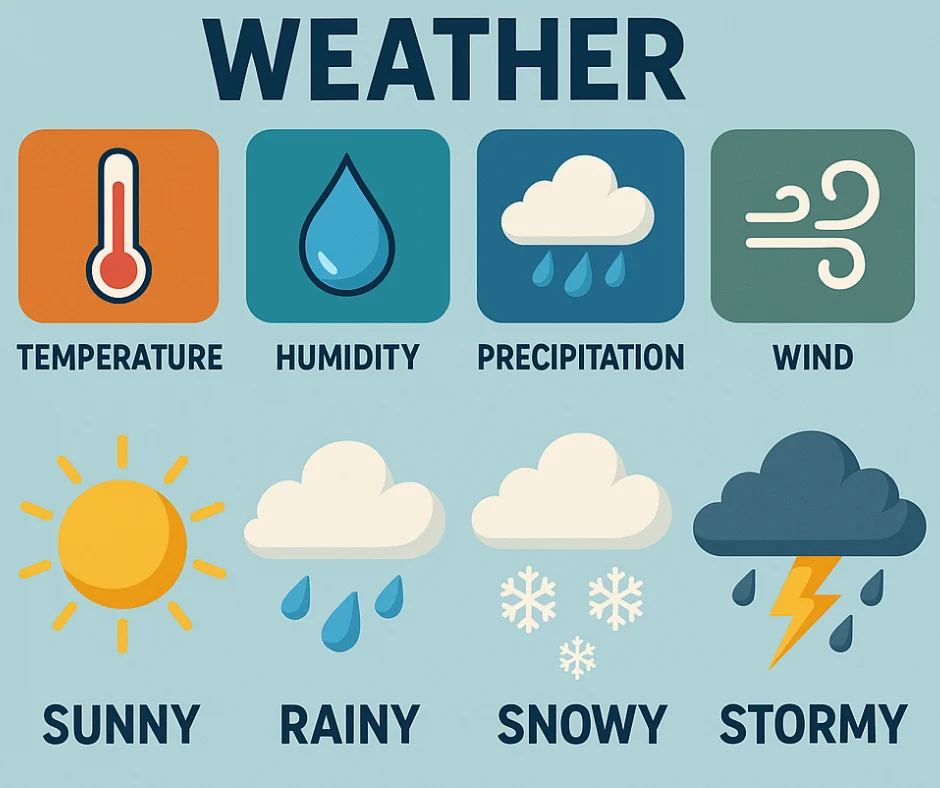
Weather is defined as the state of the atmosphere at a specific time and location. It encompasses various factors, including temperature, humidity, precipitation, and wind, which collectively determine the atmospheric conditions we experience day by day. Understanding weather is essential not only for everyday life but also for broader fields such as agriculture and climate science. Weather affects numerous aspects of our daily routines, influencing our clothing choices, travel plans, and outdoor activities. Furthermore, farmers heavily depend on weather patterns to optimize planting and harvesting schedules, as variations in weather can greatly affect crop yields.
Temperature serves as a crucial element in assessing weather, indicating how hot or cold the atmosphere is at any given moment. Humidity, on the other hand, measures the amount of moisture present in the air, playing a significant role in determining how comfortable or uncomfortable we feel. Precipitation refers to any form of water, including rain, snow, and sleet, that falls from the atmosphere to the Earth’s surface. Wind, a result of uneven heating of the Earth’s surface, can significantly influence weather patterns and temperatures by redistributing heat and moisture around the globe.
By studying weather systems, scientists can identify patterns and predict future atmospheric conditions, which is essential for disaster preparedness and resource management. For instance, understanding the seasonal behavior of weather can help communities plan for droughts or floods, safeguarding both human lives and resources. The dynamic and ever-changing nature of weather underscores the importance of meteorology as a scientific discipline, where data gathering and analysis pave the way for improving our understanding of atmospheric phenomena and their implications on our planet.



You must be logged in to post a comment.