
If you could erase one movie from your memory and watch it again for the first time, which one would it be?



Create your own Website

Sonagachi is a neighborhood located in the northern part of Kolkata, India, and is often recognized as one of the largest red-light districts in Asia. This area is situated in the Bhawanipur division, close to the iconic Shraddhanjali Park, and is bordered by well-known roads and residential areas. Historically, Sonagachi has roots that trace back to the late 19th century when Kolkata emerged as a significant urban center during British colonial rule. The district has since evolved from a simple locality into a complex socio-economic zone, which is essential to understanding its characteristics today.
The evolution of Sonagachi into a prominent red-light district is closely linked to the migration patterns and social dynamics throughout the years. In the early 20th century, an influx of people, primarily women, seeking economic opportunities for survival led to the establishment of brothels in the area. The name “Sonagachi” itself is derived from Bengali, meaning ‘golden gache’, which connotes both its socioeconomic histories and its darker undertones. Over time, the district has garnered attention not only for its commercial activities but also for the challenges and controversies it embodies, particularly regarding sex work and human rights.
Moreover, Sonagachi has become a focal point for various socio-cultural and public health programs, aiming to improve the lives of sex workers and their families. Organizations and activists have sought to address issues such as health, education, and empowerment, indicating a shift towards a more nuanced perspective on sex work in the region. The complex tapestry of Sonagachi—intertwining history, culture, and social justice—lays the groundwork for further exploration into its present state and the numerous factors that contribute to its unique identity amidst modern challenges.

The Internet of Things (IoT) refers to a vast network of interconnected devices that communicate and exchange data via the internet. This innovative paradigm integrates everyday objects—from household appliances to industrial machines—with sensors, software, and other technologies, enabling them to collect and share valuable information. The essence of IoT lies in its ability to enhance automation and boost efficiency across various sectors, ultimately transforming how we interact with the physical world.
A fundamental aspect of IoT is the embedding of smart technology into ordinary items. For example, smart thermostats can learn user preferences to optimize temperature settings automatically, while wearables monitor health metrics and provide insights to users or healthcare providers. These innovations exemplify how IoT devices gather data through their sensors, analyze it, and communicate actionable insights, fostering a more integrated lifestyle.
Additionally, the potential applications of IoT technologies span numerous domains, including smart homes, healthcare, transportation, agriculture, and factory automation. In smart homes, IoT devices can enhance comfort and security, enabling users to control lighting, heating, and security systems remotely. In healthcare, IoT facilitates remote monitoring of patients, helping professionals track vital signs and critical health data in real-time. The agricultural sector benefits from IoT through precision farming techniques that optimize resource use and increase crop yields.
As the Internet of Things continues to evolve, the interplay between connectivity and intelligence will further deepen. Enhanced machine-to-machine communication will lead to seamless data exchange and analysis, driving improvements in decision-making processes. Overall, the Internet of Things exemplifies a significant technological shift, ushering in an era of smarter systems and interconnected solutions that improve both individual and societal outcomes.
Many learners perceive English as a particularly challenging language to master. This belief often stems from several misconceptions and emotional barriers that significantly impact their learning experience. One major reason is the overwhelming number of rules and exceptions within the language. English has a notable array of grammatical considerations that can seem arbitrary at times, such as irregular verbs and complicated tenses. For instance, the verb “go” becomes “went” in the past, which can confuse learners who expect a more predictable structure.
Additionally, learners often harbor fears regarding making mistakes while speaking or writing in English. Such apprehensions can hinder their willingness to communicate effectively. A common scenario is when someone knows the correct vocabulary or structure in theory but hesitates to speak out of fear of an error, which can negatively impact their confidence. This emotional barrier leads to avoidance, thereby perpetuating the belief that English is difficult.
Another contributing factor to this belief is exposure to diverse dialects and accents of English, which can overwhelm new learners. A student might find it particularly challenging to decipher the differences between British and American English, let alone comprehend various regional accents. This multiplicity can create a sense of confusion, as learners struggle to navigate pronunciations and idioms unique to specific cultures.
Moreover, societal influence plays a role; many individuals describe language learning as a daunting task, perpetuating a cycle of negativity. These social perceptions become internalized by learners, leading to a reluctance to engage with the language. Collectively, these factors contribute to the widespread notion that mastering English is an uphill battle, fostering a mindset that can deter learners from pursuing their linguistic aspirations.
In traditional English learning, many students encounter a series of common pitfalls that can impede their progress. A substantial focus on grammar is often one of the most pervasive issues. While grammar is a vital component of any language, an overwhelming emphasis on its rules can lead to confusion rather than understanding. For instance, learners might find themselves able to recite grammatical structures accurately but struggle to communicate effectively because they are overly focused on correctness, which inhibits their ability to speak fluently.
Another major mistake is memorizing vocabulary lists without any context. This method can result in learners forgetting words shortly after they memorize them. Imagine a student learning the word “elephant” solely from a list, without ever seeing or using it in conversation. This lack of practical engagement means the learner is likely to forget the word when faced with a real-life situation where it would be necessary to use it. Language acquisition thrives on context and meaningful use, which helps cement new vocabulary in the learner’s memory.
Furthermore, neglecting speaking practice is a significant oversight in traditional learning models. Many learners spend countless hours on reading and writing exercises but find themselves unprepared for actual conversations. This leads to anxiety and reluctance to speak when the opportunity arises. For example, a student might excel in written grammar tests but feel completely lost in a real dialog. The gap between knowledge and application often results from not prioritizing speaking practice in their learning regimen.
Ultimately, addressing these traditional learning mistakes—by balancing grammar with practical use, learning vocabulary in context, and incorporating speaking exercises—can significantly enhance the effectiveness of English language acquisition.

Software as a Service (SaaS) represents a cloud computing model that enables users to access software applications over the Internet. Instead of being installed on individual computers or servers, SaaS solutions are hosted on remote servers maintained by service providers. This distinction brings numerous advantages such as reduced upfront costs, automatic updates, and the ability to access applications from any device with an Internet connection.
The fundamental technology underlying SaaS applications comprises cloud infrastructure and software architecture designed for web deployment. The SaaS model utilizes multi-tenancy, meaning that a single instance of the application serves multiple users or organizations. This not only optimizes resource use but also facilitates scalability, allowing businesses to adjust their subscription based on fluctuating needs. Users typically pay for SaaS products on a subscription basis, which can range from monthly to yearly payments, making it financially viable for individuals and organizations alike.
Key characteristics differentiate SaaS from traditional software delivery models. Firstly, SaaS eliminates the need for complex installations and ongoing maintenance, as the service provider is responsible for these tasks. This contrasts with conventional software, which often requires significant investment in hardware and IT support. Secondly, SaaS applications offer robust collaboration features that enable teams to work together seamlessly, sharing documents and data in real-time, regardless of their physical locations. Finally, the regular updates provided by the service providers ensure that users always have access to the latest features and security improvements without the need for manual installations.
In summary, Software as a Service is a transformative approach to software delivery that leverages cloud technology, offers scalability, and enhances collaboration, representing a significant evolution in the software landscape.

Sex workers are individuals who engage in sexual activities in exchange for monetary compensation or goods. This definition encompasses a broad spectrum of activities and individuals, reflecting the complex nature of sex work. It is crucial to distinguish between sex workers and the general concept of sex work, as not all individuals involved in sex work conform to traditional categories. Sex workers can be categorized into several groups, each exhibiting different practices and experiences.
Categories of sex workers include, but are not limited to, escorts, street-based sex workers, and those involved in the adult film industry. Each category presents unique challenges and societal perceptions. For instance, escorts may operate independently, often advertising their services online or in private venues, while street-based sex workers may face higher risks due to their visibility and vulnerability in public spaces.
Furthermore, the distinction between voluntary and coerced sex work is essential in understanding the diversity within this population. Voluntary sex workers choose their profession for various reasons, such as financial independence or personal choice. In contrast, coerced sex workers may be subjected to exploitation, trafficking, or circumstances that limit their autonomy, raising concerns about human rights violations. Acknowledging this diversity is vital for the broader conversation about sex work and the systemic issues surrounding it, including legal, social, and health-related aspects.
Understanding the varied definitions and categories of sex workers allows for a more nuanced discourse on the subject. Recognizing the lived experiences of sex workers is essential for informing policies and fostering a societal understanding that respects their autonomy and acknowledges their diverse realities.

Exercise is a fundamental component of a healthy lifestyle, widely recognized for its multifaceted benefits that extend beyond mere physical fitness. The practice of engaging in various physical activities is crucial not only for enhancing physical health but also for improving mental well-being. Regular exercise contributes significantly to maintaining an optimal body weight, building and toning muscles, and enhancing cardiovascular health. However, its benefits are not solely confined to the gym environment; exercise encompasses a diverse range of activities, from walking and jogging to sports and dance, that can be seamlessly integrated into our daily routines.
In a world increasingly dominated by sedentary behaviors, the importance of incorporating exercise into everyday life cannot be overstated. It is through consistent engagement in physical activities that individuals can reduce the risks associated with chronic illnesses, such as obesity, diabetes, and heart disease. Furthermore, exercise plays a pivotal role in mental health, offering stress relief, increasing self-esteem, and alleviating symptoms of anxiety and depression. The endorphins released during physical activity contribute to an enhanced mood and overall sense of well-being, reinforcing the connection between body and mind.
Embracing exercise as a regular component of life means recognizing its versatility. From structured workouts in a gym to casual walks in a park, every movement counts towards creating a healthier lifestyle. The key is to find activities that one enjoys, making it easier to incorporate them into a daily routine. Whether participating in team sports, taking fitness classes, or simply playing with children, each of these options offers an effective way to stay active. Thus, understanding and embracing exercise as an integral aspect of health can significantly contribute to an individual’s overall wellness and quality of life.

Growth forecasts represent analytical predictions regarding the future expansion of an economy, sector, or business. These estimations serve as essential tools for various stakeholders, including businesses, investors, and policymakers, enabling them to make informed decisions. By providing insights into potential future performance, growth forecasts can aid in the identification of opportunities and challenges within a given market.
The creation of growth forecasts typically involves the collection and analysis of historical data, economic indicators, and relevant trends. This process often incorporates quantitative methods, such as time series analysis and econometric modeling, alongside qualitative assessments from expert opinions. These methodologies help stakeholders gauge potential growth trajectories, allowing for the development of strategies to achieve specific objectives. Effective growth forecasts take into account a myriad of factors, including demographic changes, technological advancements, and shifts in consumer behavior, ensuring a well-rounded perspective on the economic landscape.
The importance of growth forecasts cannot be overstated. For businesses, these predictions provide valuable information for strategic planning, budgeting, and resource allocation. Investors utilize growth forecasts to evaluate potential risks and returns, assisting them in making judicious decisions on asset allocation. Meanwhile, policymakers rely on growth forecasts to shape fiscal and monetary policies aimed at fostering economic stability and growth. By accurately anticipating economic trends, policymakers can respond proactively to challenges, ensuring sustainable development.
Overall, growth forecasts play a crucial role in strategic decision-making within various spheres, helping stakeholders navigate an increasingly complex economic environment. Understanding the fundamentals of growth forecasts and their applications equips individuals and organizations with the necessary tools to adapt and thrive in a rapidly evolving market.

Sex work refers to the exchange of sexual services for money or other forms of financial compensation. This broad definition encapsulates various forms of sexual commerce, including prostitution, escorting, and adult entertainment. The essential element that defines sex work is this consensual transaction, which has existed in various forms throughout history. The historical context of sex work reveals that it has been present in nearly every civilization, often intertwined with societal norms, economic conditions, and cultural attitudes toward sexuality.
In contemporary society, sex work can be categorized into several forms, such as street-based sex work, indoor sex work, and online sex work. Each type operates under distinct conditions and implications. For instance, street-based sex work may be more visible but is frequently subject to greater legal and social scrutiny, while online platforms have emerged as a significant venue for sex work, offering anonymity and safety for both workers and clients alike. Regardless of the form, these practices raise important questions about agency, consent, and labor.
The social, economic, and legal dimensions of sex work vary significantly across different jurisdictions. In some countries, sex work is legal and regulated, allowing workers to operate within a structured legal framework that provides certain protections. In stark contrast, in many regions, sex work remains criminalized, which can lead to the marginalization and stigmatization of sex workers. The regulation of sex work, public health considerations, and the rights of sex workers are critical issues in the ongoing discourse surrounding this topic.
Understanding sex work through a science-based perspective invites a multifaceted dialogue that encompasses historical context, social implications, and legal frameworks. This comprehensive approach is essential for fostering informed discussions that contribute to the destigmatization and recognition of the complexities surrounding sex work.


Affiliate marketing is a performance-based business model that enables individuals or companies to earn commissions by promoting other people’s or companies’ products and services. Essentially, it involves partnering with an affiliate network or company, where marketers share unique affiliate links within their content, directing potential buyers to the merchant’s website. When a consumer makes a purchase through the provided link, the affiliate earns a commission based on the sale. This proven strategy has gained significant traction in the digital marketing landscape, appealing to both novice and experienced marketers.
One of the primary reasons why affiliate marketing is so popular is its potential for passive income generation. Once the affiliate creates content that includes their unique links, it can continue to earn commissions over time, requiring minimal ongoing effort. This aspect, combined with its flexibility, allows marketers to operate on their own terms, choosing when and how much they want to work. Affiliates can promote a wide range of products or services, enabling them to tailor their marketing efforts to their personal interests and audience preferences.
The allure of affiliate marketing also lies in its low barrier to entry. Unlike traditional business models that may require substantial capital investment, becoming an affiliate marketer necessitates little more than a website, social media presence, or a blog to begin earning. Additionally, there are various platforms and networks that facilitate partnerships between merchants and marketers, streamlining the process of finding suitable products to promote.
In this blog post, we will delve deeper into effective strategies and practices within the affiliate marketing realm, providing critical insights and addressing frequently asked questions. Understanding the fundamentals of this attractive business model will empower you with the knowledge required to navigate the affiliate landscape successfully.

Monkeypox is a zoonotic disease caused by the monkeypox virus, a member of the Orthopoxvirus genus within the Poxviridae family, which also includes the more well-known smallpox and cowpox viruses. Discovered in 1958, the monkeypox virus was first identified in laboratory monkeys, hence its name. The initial human cases were recorded in the Democratic Republic of the Congo in 1970, subsequently marking the onset of regular outbreaks primarily in central and western Africa.
Historically, the disease’s origins trace back to the rainforest regions, where close contact with infected animals such as rodents and primates facilitated human transmission. The disease manifests in a manner resembling smallpox, though generally less severe, with symptoms including fever, rash, and swollen lymph nodes.
Monkeypox is considered a re-emerging disease, partially due to the successful global eradication of smallpox in 1980. The cessation of smallpox vaccination campaigns has led to increased susceptibility among human populations. Consequently, awareness and surveillance of monkeypox have become increasingly important in recent years. As the nature of human-animal interactions evolves, particularly with the expansion of urbanization into previously isolated areas, the potential for outbreaks remains a significant public health concern.
Understanding monkeypox’s episodic history and its similarities to other orthopoxviruses helps highlight the necessity of vigilance and preparedness in mitigating its impact. As it maintains a reservoir in various wildlife species and has demonstrated potential for human-to-human transmission, monkeypox remains a critical focus for both ongoing research and public health strategies.

A mortgage is a financial instrument used to purchase real estate, where the property itself serves as collateral for the loan. Generally, it involves a lender providing the borrower with a significant amount of money, which the borrower agrees to repay over a defined term, typically spanning 15 to 30 years, with interest. Understanding the various types of mortgages is essential for prospective homeowners, as it can greatly influence their long-term financial health.
The primary purpose of a mortgage is to enable individuals to acquire property without requiring the full purchase amount upfront. This financing makes homeownership attainable for many, allowing them to invest in tangible assets that can appreciate over time. However, taking on a mortgage entails significant financial responsibility. Therefore, it’s crucial to recognize the terms, rates, and conditions associated with different mortgage types before making a decision.
Choosing the right mortgage is not merely about securing the lowest interest rate; it involves a careful examination of one’s financial situation and future goals. Factors such as income stability, credit score, and personal circumstances should guide individuals in selecting a mortgage that aligns with their needs. For instance, those anticipating movement in the near future might prefer a different type of mortgage compared to someone planning to settle long-term.
In essence, understanding the fundamental aspects of mortgages is vital for anyone considering a home purchase. It provides the necessary backdrop for exploring the various types of mortgages available in the market. As we delve deeper, we will discuss the different mortgage options and help you assess which may be the most appropriate based on your unique financial context.

The Tigris and Euphrates rivers represent two of the most significant waterways in the Middle East, shaping the geography and civilization of ancient Mesopotamia. These rivers, which originate in the mountainous regions of eastern Turkey, flow through Iraq and eventually converge in the southern plains, forming a fertile delta as they empty into the Arabian Gulf. The Tigris stretches approximately 1,850 kilometers (1,150 miles) while the Euphrates extends about 2,800 kilometers (1,740 miles), making them key geographical features in the region.
The significance of the Tigris and Euphrates extends beyond their physical dimensions; they have historically served as crucial lifelines for the early societies that flourished in Mesopotamia. This area is regarded as one of the cradles of civilization, where agriculture, urbanization, and sophisticated governance systems emerged. The availability of water from these rivers facilitated irrigation, which was essential for farming in otherwise arid landscapes. As a result, the Tigris and Euphrates formed the backbone of the agricultural economy, enabling communities to sustain themselves and fostering trade and cultural exchange.
Furthermore, the Tigris and Euphrates rivers have been central to the historical narratives of various empires and cultures. From the Sumerians and Babylonians to the Assyrians and later Islamic civilizations, these waterways played a pivotal role in the development of social and political structures. The interplay between these rivers and the civilizations that thrived along their banks is a testament to their enduring impact on the historical landscape of the Middle East.
/
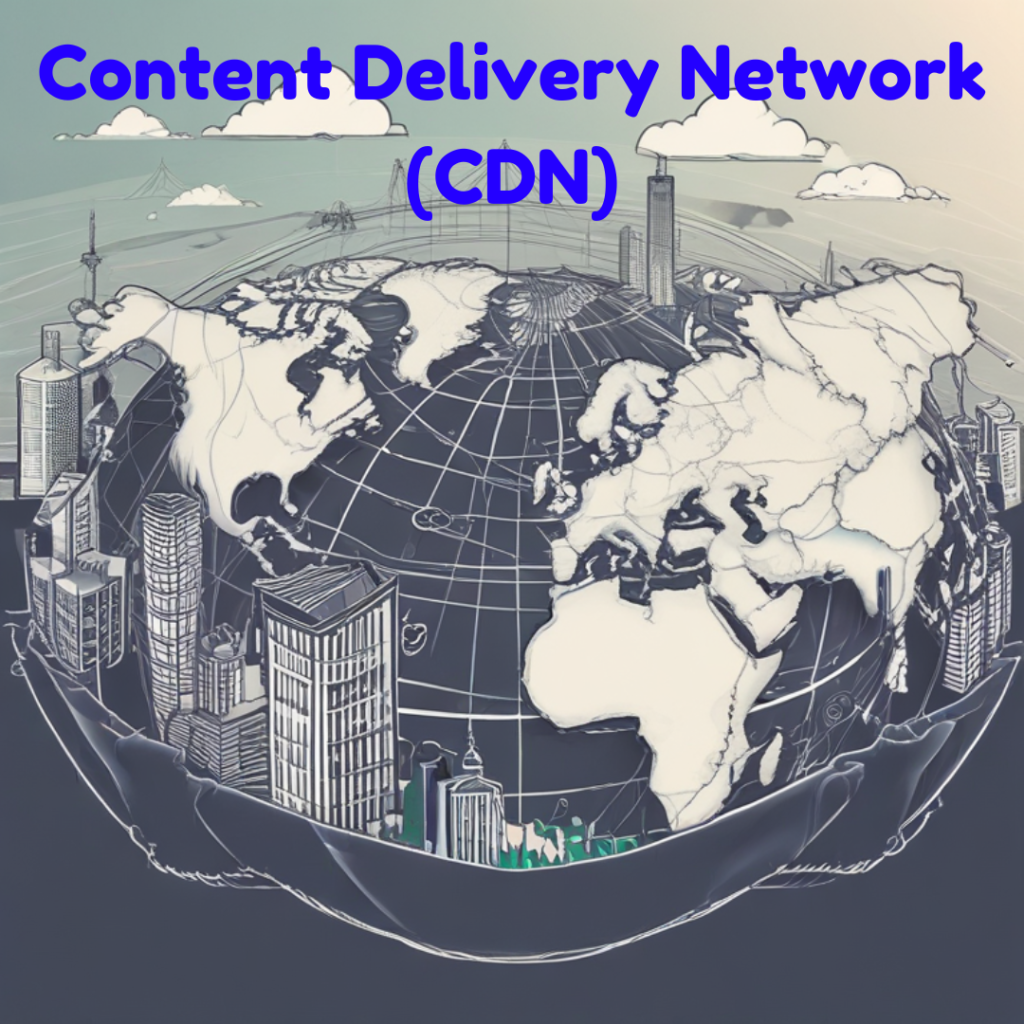
A Content Delivery Network (CDN) is a distributed network of servers strategically located across various geographical locations to enhance the delivery of web content to users. The primary purpose of a CDN is to improve the performance, speed, and reliability of the content served over the internet. By distributing content closer to users, the CDN minimizes latency and reduces the load on the origin server from which the content originates.
At its core, a CDN comprises multiple servers, often referred to as edge servers, which cache and store copies of static content. This static content can include images, videos, stylesheets, JavaScript files, and entire web pages. When a user requests content, the CDN redirects that request to the nearest edge server, allowing faster retrieval and delivery than if it had to come from a single, sometimes distant, origin server.
The operation of a CDN involves various processes such as caching, load balancing, and routing. Caching allows CDNs to store copies of frequently accessed content, which can be served quickly to users without needing to fetch it from the origin server each time. Load balancing ensures an even distribution of requests across the available servers, enhancing efficiency and reliability. Additionally, CDNs employ intelligent routing mechanisms to determine the best path for delivering content based on network conditions and user location.
Common types of content delivered by a CDN include images, streaming videos, website CSS and JavaScript files, and even dynamic content under certain configurations. Using a CDN not only enhances user experience through faster load times but also improves website security and operational efficiency. Overall, a Content Delivery Network serves as an essential infrastructure for modern web services, allowing for optimal performance in content delivery in today’s digital landscape.

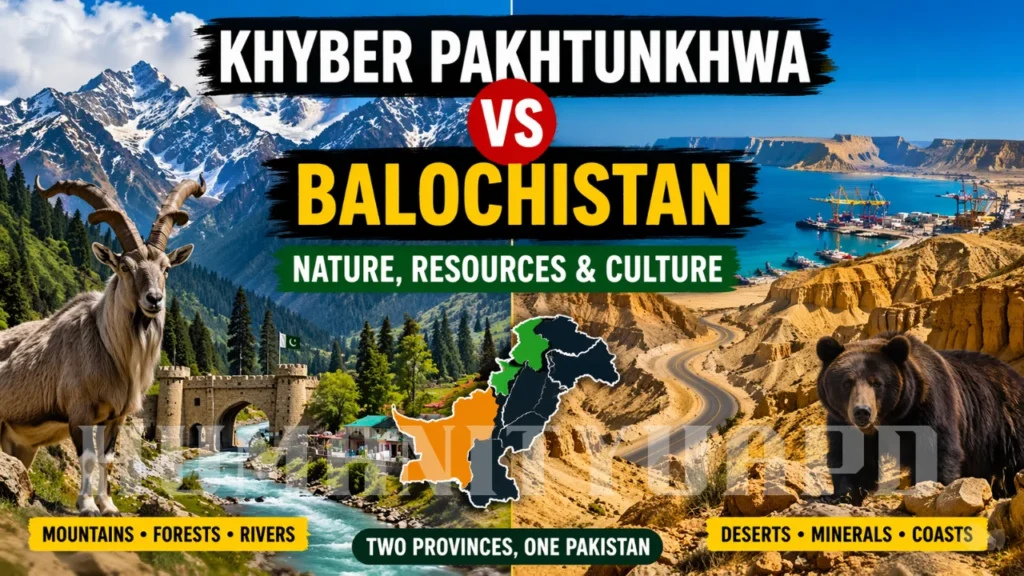
Khyber Pakhtunkhwa and Balochistan are two significant provinces of Pakistan, each endowed with its unique geographical and cultural characteristics. Khyber Pakhtunkhwa, located in the northwest of the country, is bordered by Afghanistan to the west and the northern regions of Pakistan to the east. This province is known for its mountainous terrain, which is part of the larger Himalayan range, contributing to its rich biodiversity and scenic landscapes. Balochistan, on the other hand, occupies the southwestern part of Pakistan and is the largest province in terms of land area, characterized by its rugged terrain, desert regions, and mountainous landscapes.
The historical significance of these provinces cannot be understated. Khyber Pakhtunkhwa boasts a rich heritage, having been a crucial route for trade and cultural exchanges between the Indian subcontinent and Central Asia. Meanwhile, Balochistan plays an equally vital role, with its strategic location connecting South Asian and Middle Eastern economies. Both provinces are home to various ethnic groups and languages, contributing to the cultural tapestry of Pakistan.
This blog post aims to provide a science-based overview of Khyber Pakhtunkhwa and Balochistan, exploring not only their geographical features but also their natural resources, ecological zones, and environmental challenges. Through a scientific lens, we will examine how these elements interact with human activities and impact the socio-economic development of the regions. The significance of understanding the scientific aspects of these provinces is underscored by their role in national progress and sustainability. By delving into the unique characteristics and the ecological importance of Khyber Pakhtunkhwa and Balochistan, we hope to foster a deeper appreciation for these two distinct yet complementary regions of Pakistan.

Sindh and Punjab are two prominent provinces in Pakistan, each with its distinct geographical, cultural, and demographic attributes. Situated in the southeastern and eastern parts of Pakistan respectively, these provinces offer a rich tapestry of history, heritage, and diversity that considerably contributes to the nation’s identity.
Sindh, bordered by the Arabian Sea to the south, is known for its arid climate and sprawling desert landscapes, interspersed with major river systems like the Indus River. This river not only nourishes the land but is also central to the culture and livelihood of the Sindhi people. Sindh is distinguished for its historical significance; it is home to the ancient Indus Valley Civilization, which thrived around 2500 BCE. Major urban centers within Sindh include Karachi, Pakistan’s largest city and a vital economic hub, and Hyderabad, known for its rich cultural heritage.
In contrast, Punjab is endowed with fertile plains and a diverse agricultural economy. Bordered by the River Sutlej to the south, it is the most populous province in Pakistan, housing a significant portion of the country’s population. Punjab’s capital, Lahore, is recognized as a cultural capital of Pakistan, reflecting a blend of modernity and tradition. The region is noted for its vibrant festivals, music, and art forms which underscore its cultural significance. The demographic landscape of Punjab is predominantly made up of Punjabis, but it is also home to various ethnic groups, contributing to a mosaic of linguistic and cultural diversity.
Both Sindh and Punjab serve as vital regions within Pakistan, not only due to their economic outputs but also because of their cultural richness and historical legacy. Understanding the unique characteristics of these provinces is essential for appreciating the broader cultural and social framework of Pakistan.

The Zagros and Alborz mountain ranges are two of the most significant geological features in Iran, each contributing uniquely to the country’s diverse natural landscape. The Zagros Mountains extend approximately 1,500 kilometers, stretching from the northwest to the southeast of Iran and forming a vital barrier between the plains of Mesopotamia and the Iranian plateau. In contrast, the Alborz range is situated in the northern part of the country, running parallel to the southern coast of the Caspian Sea and encompassing around 900 kilometers of majestic peaks.
These mountain ranges were primarily formed during the collision of the Arabian and Eurasian tectonic plates, a process that began millions of years ago. This geological activity continues to shape the landscape, resulting in various geological formations and a unique topography. Among the peaks of the Alborz, the highest is Mount Damavand, which stands at 5,609 meters, making it the tallest volcano in Asia. In the Zagros range, the peak of Zard Kuh rises to 4,548 meters, showcasing the impressive elevations that characterize these mountains.
Both ranges play a critical role in Iran’s ecology and climate. The Zagros Mountains act as a climatic divide, significantly influencing the precipitation patterns across the region and creating a variety of microclimates that support diverse ecosystems. The Alborz range, with its lush forests and rich biodiversity, acts as a crucial reservoir for various flora and fauna, including several endemic species. These mountains not only enhance the aesthetic beauty of Iran but also provide essential resources and habitats that sustain local communities and wildlife.

The term “business” refers to an organization or entity engaged in commercial, industrial, or professional activities. Understanding business fundamentals is crucial for anyone aspiring to run a successful enterprise. At its core, a business aims to meet the needs of a specific market while generating profits. This entails recognizing the demands and preferences of consumers, which serves as the foundation for product development and service delivery.
A robust business plan is integral to turning a concept into a functioning business. This document outlines the goals, strategies, and financial projections of the business. It provides direction and serves as a roadmap for operations, enabling entrepreneurs to anticipate challenges and devise solutions. Moreover, a well-constructed business plan can be instrumental in securing investment and financing, thus facilitating necessary growth.
Another significant aspect of business fundamentals involves understanding various business structures. Each structure, whether a sole proprietorship, partnership, corporation, or limited liability company (LLC), comes with its own set of legal implications, tax responsibilities, and operational guidelines. Recognizing the advantages and drawbacks of each structure is vital in selecting the appropriate one that aligns with the business’s vision and objectives.
Furthermore, in today’s fast-paced and ever-evolving market, the importance of innovation and adaptability cannot be overstated. Businesses that remain stagnant or resistant to change risk losing their competitive edge. Embracing new technologies, staying informed about market trends, and being open to pivoting strategies are essential practices that contribute to longevity and success.
In conclusion, mastering the fundamentals of business lays the groundwork for effective management and operational excellence. By understanding market needs, developing sound plans, and cultivating adaptive strategies, aspiring entrepreneurs can position themselves for sustained success in the dynamic world of business.
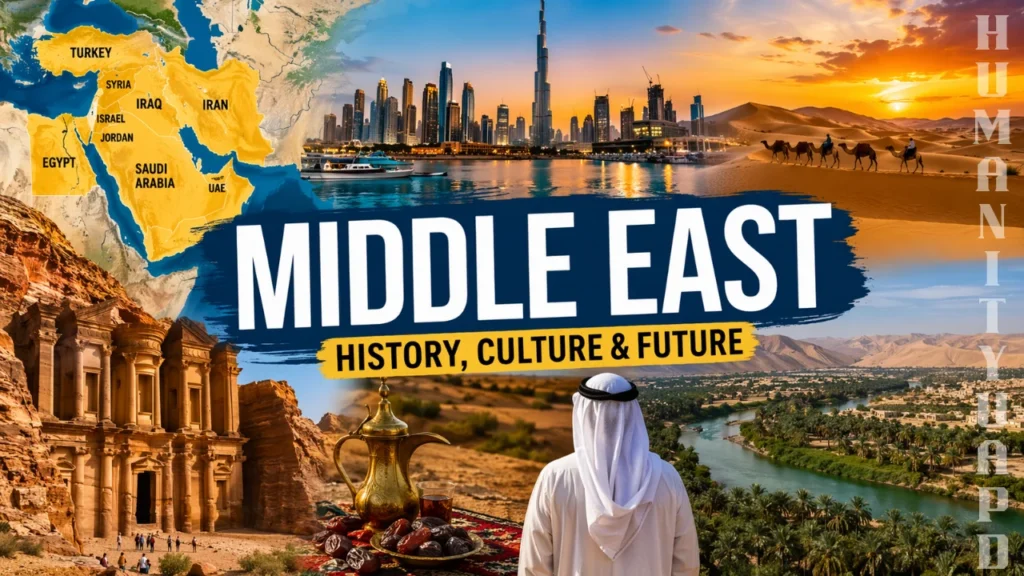
The Middle East is a region that holds a remarkable position in the world, geographically and historically. Stretching from the eastern Mediterranean Sea to the Persian Gulf, and encompassing parts of North Africa and Central Asia, this area is characterized by its vast deserts, fertile valleys, and significant waterways such as the Nile and Tigris-Euphrates rivers. The Middle East is often defined politically by the borders of its nations, which include countries like Saudi Arabia, Iran, Iraq, Egypt, Israel, and Turkey, among others.
The significance of the Middle East extends beyond its geography; it is often referred to as the cradle of civilization due to its historical contributions to human development. The region has been a melting pot of diverse cultures, languages, and religions for centuries, including Islam, Christianity, and Judaism, each playing a vital role in shaping the social fabric. The crossroads nature of the Middle East has facilitated trade routes since ancient times, making it a hub for economic exchange and cultural interactions.
In modern times, the Middle East continues to be economically significant due to its abundant natural resources, primarily oil and natural gas, which have shaped global energy markets. However, the region’s diverse economies also include agriculture, tourism, and finance, contributing to its complex and multifaceted identity. The geopolitical landscape of the Middle East is marked by both collaboration and conflict, influencing international relations and global policies. Therefore, understanding the intricate tapestry of the Middle East is crucial for appreciating its role on the world stage, as this region continues to evolve amidst changing cultural, economic, and political dynamics.
Over 100 million people worldwide have been forced to leave their homes due to war, climate change, and poverty.
This isn’t just news… it’s a global humanitarian crisis affecting real lives every single day.
💭 What do you think is the biggest issue facing the world right now?
👇 Vote above & share your thoughts in the comments!
👉 New video is LIVE now—don’t miss it:
https://humanityuapd.com/major-humanitarian-issues-facing-the-world-today/
Let’s spread awareness together 🌎
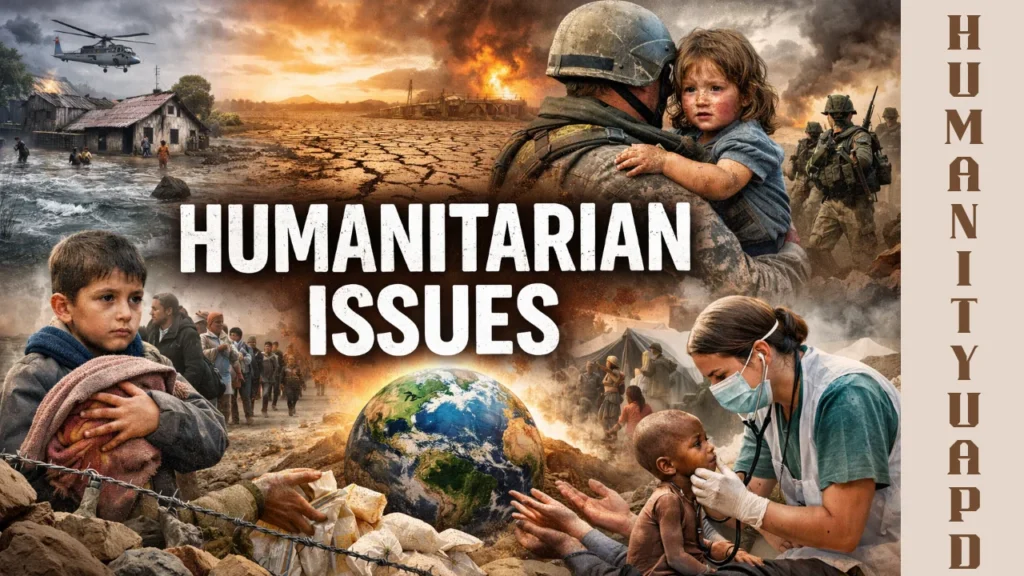
Humanitarian issues encompass a wide range of challenges and crises that impact human life and dignity, often demanding urgent responses from the global community. At the heart of humanitarianism lies the commitment to alleviate suffering, protect human rights, and provide assistance to individuals and communities facing distressing circumstances. The term “humanitarian” generally refers to actions that prioritize human welfare, particularly in times of conflict, natural disasters, and social upheaval.
Humanitarian crises can be defined as urgent situations in which large groups of people are unable to meet their basic needs due to factors such as armed conflict, environmental disasters, disease outbreaks, or systemic poverty. Such crises often lead to significant loss of life, displacement of populations, and long-term societal disruptions. Therefore, a clear understanding of these issues is crucial for developing effective strategies and interventions. By identifying the root causes and manifestations of humanitarian crises, stakeholders can mobilize resources and design evidence-based interventions that target the specific needs of affected populations.
Addressing humanitarian issues requires a multi-faceted approach, integrating insights from various disciplines such as medicine, social sciences, and public policy. This science-based perspective is essential for ensuring that responses are not only timely but also tailored to meet the complex realities faced by vulnerable populations. Moreover, employing a scientific lens fosters accountability and transparency in humanitarian actions, offering a framework for evaluating their effectiveness and impact.
As we delve deeper into the intricacies of humanitarian issues, it is vital to remain informed about the evolving landscape and the diverse factors contributing to crises worldwide. This post will explore the definitions, implications, and responses to humanitarian challenges, with an emphasis on the importance of evidence-based approaches in alleviating human suffering.





You must be logged in to post a comment.